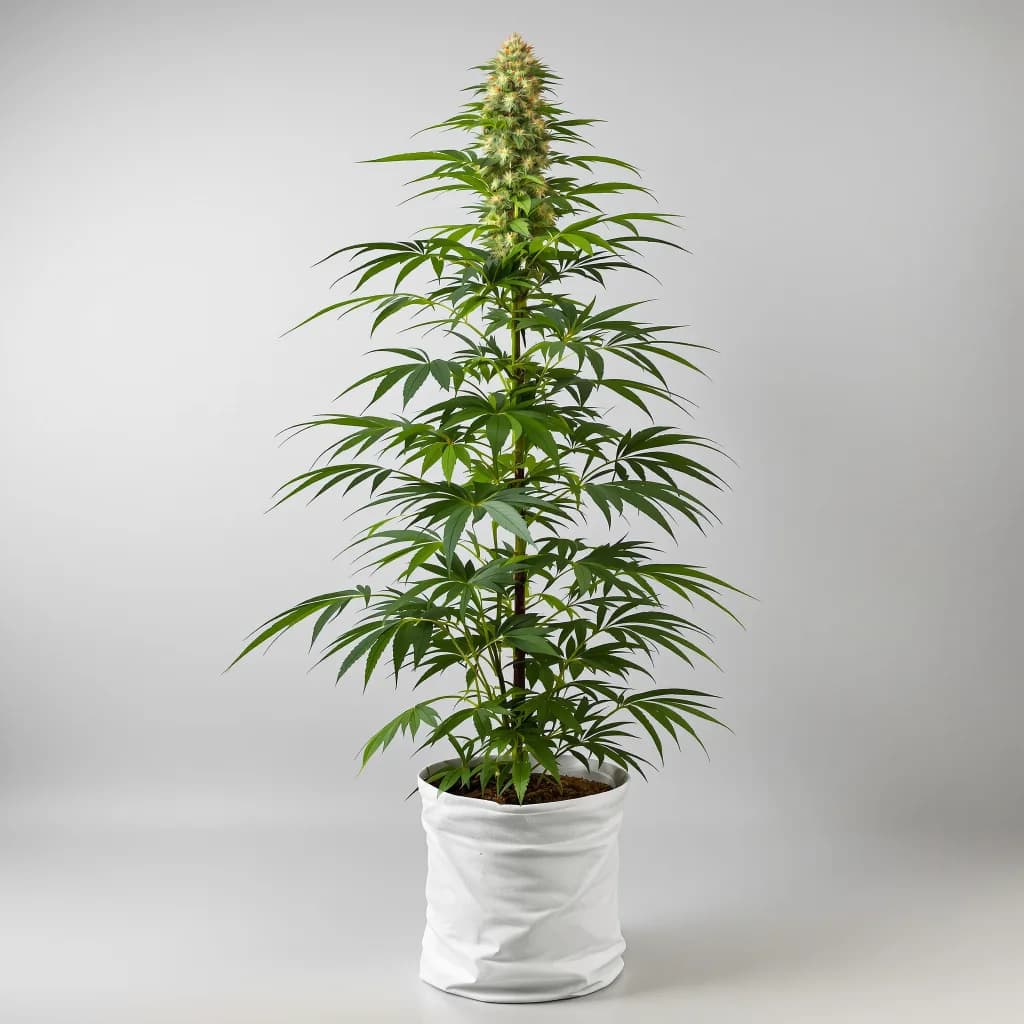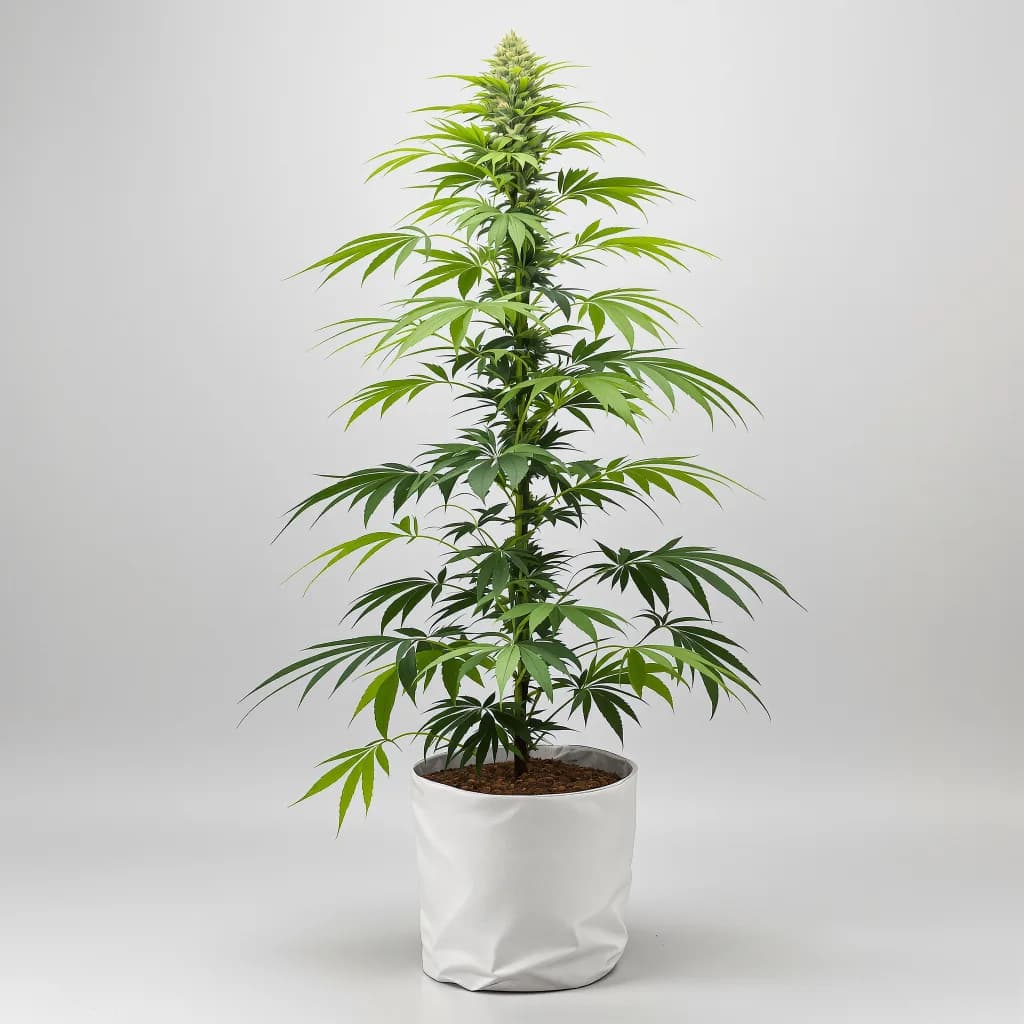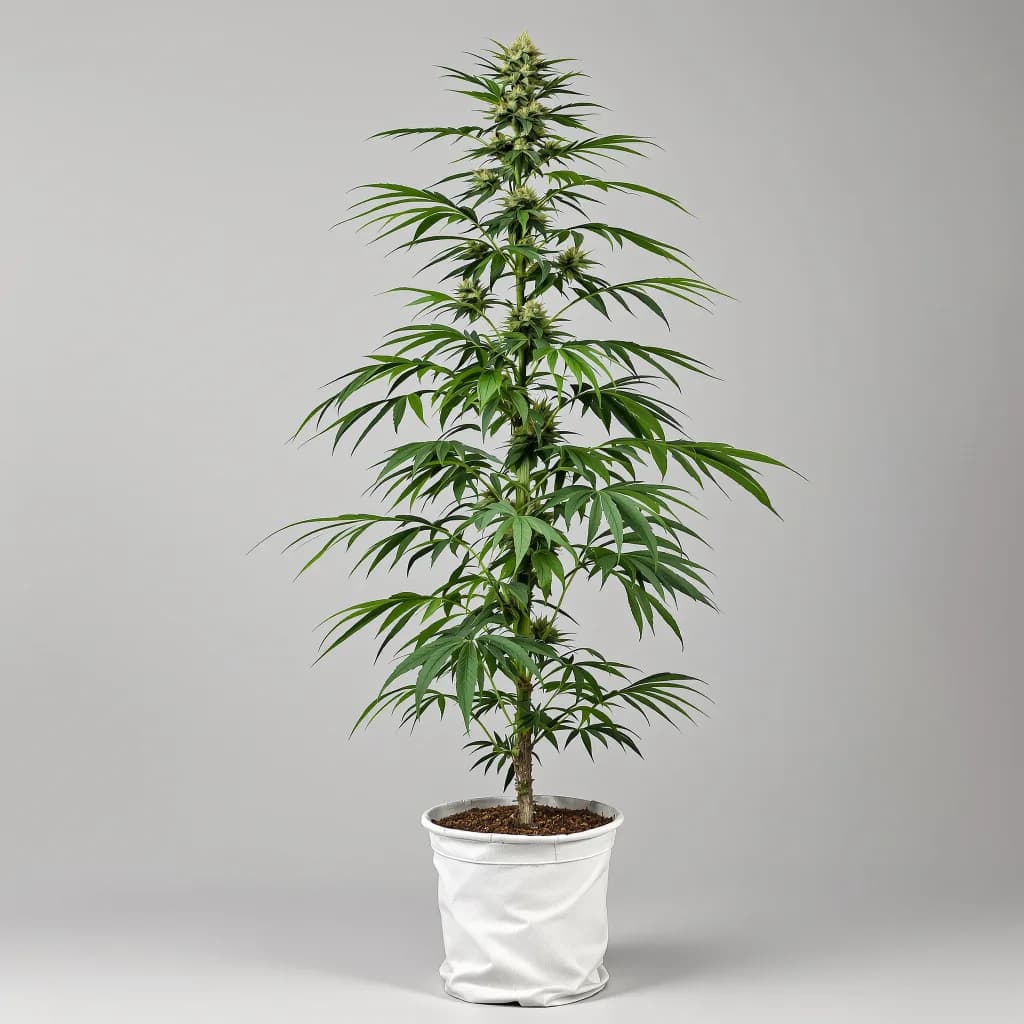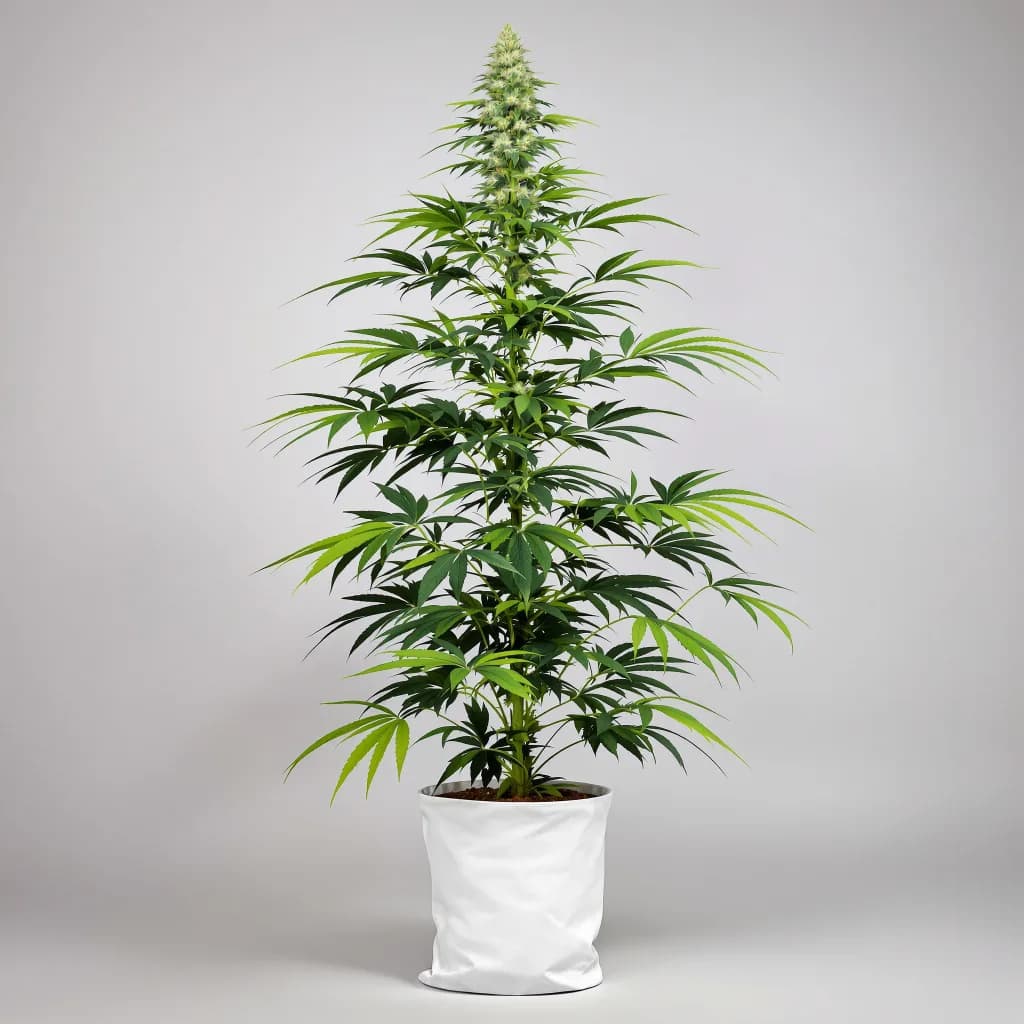
Durban Poison cannabis seeds packaging — Royal King Seeds South Africa
SativaAuto
THC 17%
Quick Finish
SativaAutoflowerIn Stock

Durban Poison Auto

A sativa testing at 17% THC, Durban Poison Auto is reported energetic, happy, uplifted. Grown right across the country, from the Cape to the Lowveld. Discreet nationwide delivery and a germination guarantee.
Select Pack Size
R220.04ZAR
1
🇿🇦Free South Africa Delivery
🌱Germination Cover
🔒Nothing on the Box

Royal King Genetics — Seed-Lot Testing

Figures below come from our own seed-lot testing rather than breeder marketing, taken from a single batch tested 2026-02-15 on 450 seeds.

Germination rate: 99.3% (n=450)
Last QC test date: 2026-02-15
Indoor yield: 396-518 g/m² (avg across 12 verified grower reports)
Outdoor yield: 698-950 g/plant (avg across 3 verified grower reports)

About Durban Poison Auto

Durban Poison announces itself in a fixed order, and limonene is always first out of the jar — a citrus lift that arrives before the lid is fully off, lemon rind and tangerine with a sweetness trailing it. pinene follows mid-palate, adding resinous clarity. The lab figure on this 50/90 sativa is 17% THC, though potency is the least interesting thing about it — plenty of cultivars test the same and taste of very little.

Growing for Aroma Rather Than Weight

The choices that bring out the Limonene/Pinene/Terpinolene profile in Durban Poison are not the choices that maximise yield, and at some point you have to pick one. The aromatic version starts in living soil — microbial activity in an established no-till bed produces secondary metabolites a synthetic feed schedule never will, and South Africa has enough good local compost and worm-casting suppliers to make that affordable rather than aspirational.

Through 9-10 weeks seed to harvest, stop foliar spraying after week two: anything that lands on a developing trichome is still there at harvest. The closing three weeks decide which terpenes end up in front — nights held at 16-18°C push limonene forward, a warmer finish protects the lighter terpinolene top notes, and you cannot have both. Decide which version of the strain you want before you get there.

Most of the loss happens after the cut. Hang for 10-14 days at 15-18°C and 55-60% humidity, which through a South African summer realistically means a climate-controlled room or a wine fridge set to 16°C. Then jar it and burp twice daily for the first fortnight. The pinene layer that makes this cultivar worth the trouble does not surface until somewhere between day 21 and day 28 in glass.

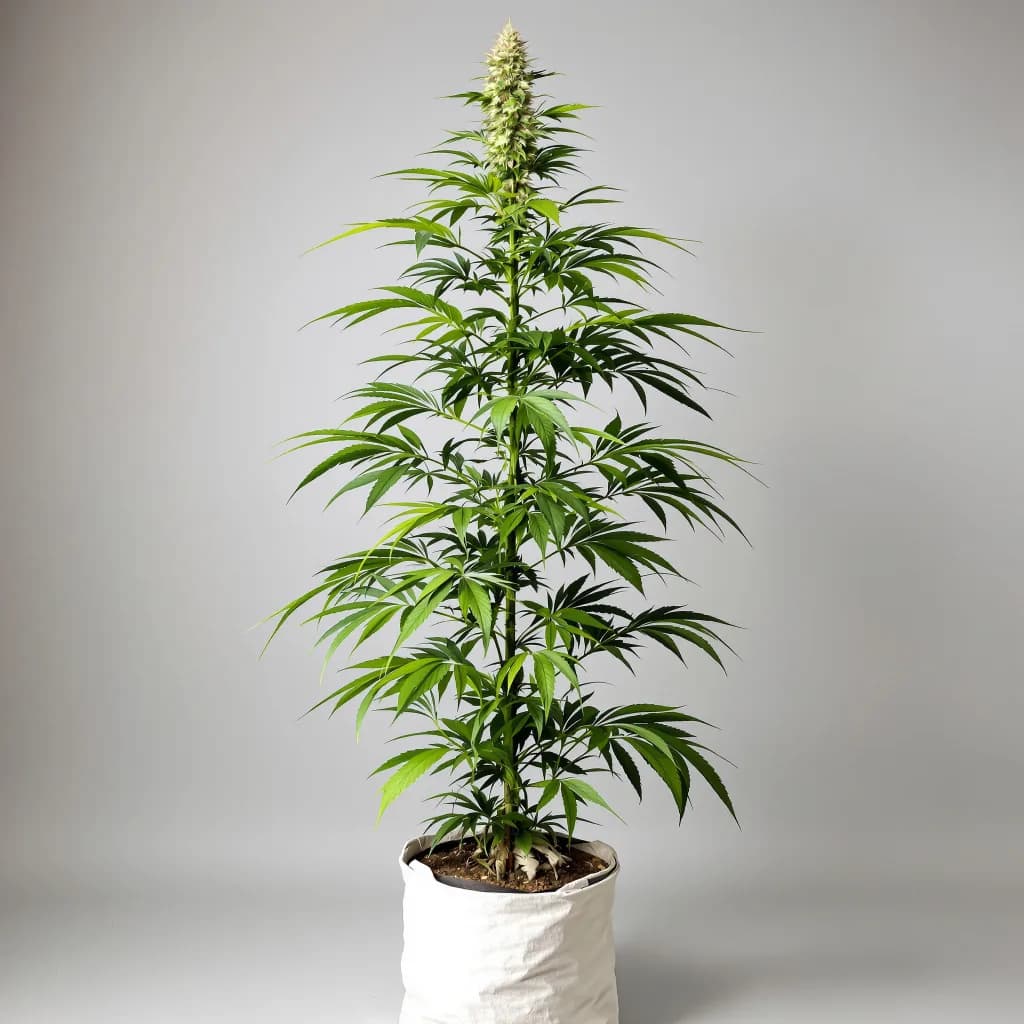
Difficulty: medium. In flower for 9-10 weeks seed to harvest. Stands 60-90 cm. Indoors it returns 450-550 g/m2. Outdoors, 600-700 g/plant a plant.

Aroma, Flavour and Effect

The first thing Durban Poison does at 17% THC is lift it with a bright, nearly effervescent citrus. The energetic, happy, uplifted effects follow within minutes, as a sharpening rather than a lift: colour reads more saturated, music holds more detail, conversation wanders further than it would have. It runs two to three hours on a plateau instead of a peak, so nothing drops out from under you at the end. Pinene sits underneath all of it, adding an alertness that keeps thinking crisp.

The Aromatic Three

Leading with Limonene, then Pinene, and Terpinolene underneath. How this combination survives the move from flower to vapour or smoke is not a given. Held low, at 180-188°C, the pinene and terpinolene notes stay legible with limonene underneath them. Run it hotter, or burn it, and the three collapse into one — still pleasant, but without the separation that makes this cultivar worth paying attention to.

Suitability and Recommendations

Who does well with Durban Poison? People growing on flat balconies from Cape Town to Johannesburg. Smallholders after a fast outdoor crop. Indoor growers short on headroom. Autoflowering genetics run to their own clock, so there is no light schedule to hold, no worrying about light leaks, and harvest lands 10-12 weeks from germination whatever the season is doing. It is rated medium, which in practice means a moderate learning curve that rewards attention without needing laboratory conditions. Sent nationwide in plain, unbranded packaging, with sourced grow data on every strain page.

Effects

🤑Energetic
😊Happy
😎Uplifted

Reach For It When

Anxiety
Daytime
Depression
Pain

Strain Type

Indica 36%Sativa 64%

At a Glance

🧬Potency17% - 22% (Medium-High)
🌿ParentsSouth African Landrace (Durban)
🔬Seed TypeAutoflower Sativa
🌡SuitsAnywhere — it runs on its own clock
📅Cut In≈ 10 – 11 weeks from seed, whenever you plant
📏Grows To60-90 cm
⚖️Typical ReturnHigh
🏠Under Light450-550 g/m2
🌳In the Ground600-700 g/plant
Weeks in Bloom9-10 weeks seed to harvest

In the Packet

Reseals +
RK
Royal King Seeds
Autoflowering
Regular
Seeds
Inside the Packet
Sealed vial
Reseals +
Royal King Seeds sells seed as an adult collectible and for the preservation of genetics. Knowing and following the law where they live.
1
Durban Poison Auto
royalkingseeds.co.za
IG
FB
X
🔒Factory-sealed
💧Water-resistant outer
🛡️Foil-lined inside
🏷️Tamper sticker
📱QR check
🔢Scratch-off serial

Related Strains

Durban Poison cannabis seeds packaging — Royal King Seeds South Africa
17% THC
Sativa
🎨 Heady

Durban Poison Feminised

EnergeticHappyUplifted
R220.04ZAR
Jamaican Dream cannabis seeds packaging — Royal King Seeds South Africa
15% THC
SativaAuto
Quick Finish

Jamaican Dream Auto

EnergeticHappyUplifted
R228.51ZAR
Sage N Sour cannabis seeds packaging — Royal King Seeds South Africa
16% THC
SativaAuto
Quick Finish

Sage N Sour Auto

EnergeticHappyUplifted
R169.22ZAR
Damnesia cannabis seeds packaging — Royal King Seeds South Africa
16% THC
SativaAuto
Quick Finish

Damnesia Auto

HappyEnergeticCreative
R186.16ZAR

Durban Poison Auto — Breeder Information

Royal King Genetics

Recreated and stabilised by Royal King Genetics , the breeding team behind this catalogue. Seed lots are germination-tested before they ship. More on the breeding process and about page.

Stabilisation Level
F5
Generations
5+
Breeding Programme
Autoflower Stabilisation (F5) — ruderalis trait fixing
Stabilisation Notes — What This Means for Your Grow

Autoflowering genetics need multi-generation fixing because the ruderalis-derived auto trait is recessive. Durban Poison sits at F5 — every plant in the pack autoflowers reliably and finishes inside a tight window.

Breeding Goal

Lock the autoflower trait in Durban Poison through five generations of selection.

Selection Focus

Chosen for terpene saturation, sativa vigour and a workable finish time despite long-flowering genetics.

Pollen / Mother Source

Royal King Genetics in-house breeder room — pollen taken from a generation-tracked sibling-male line.

Last Batch QC Verified
25 March 2026· 95% germination guarantee