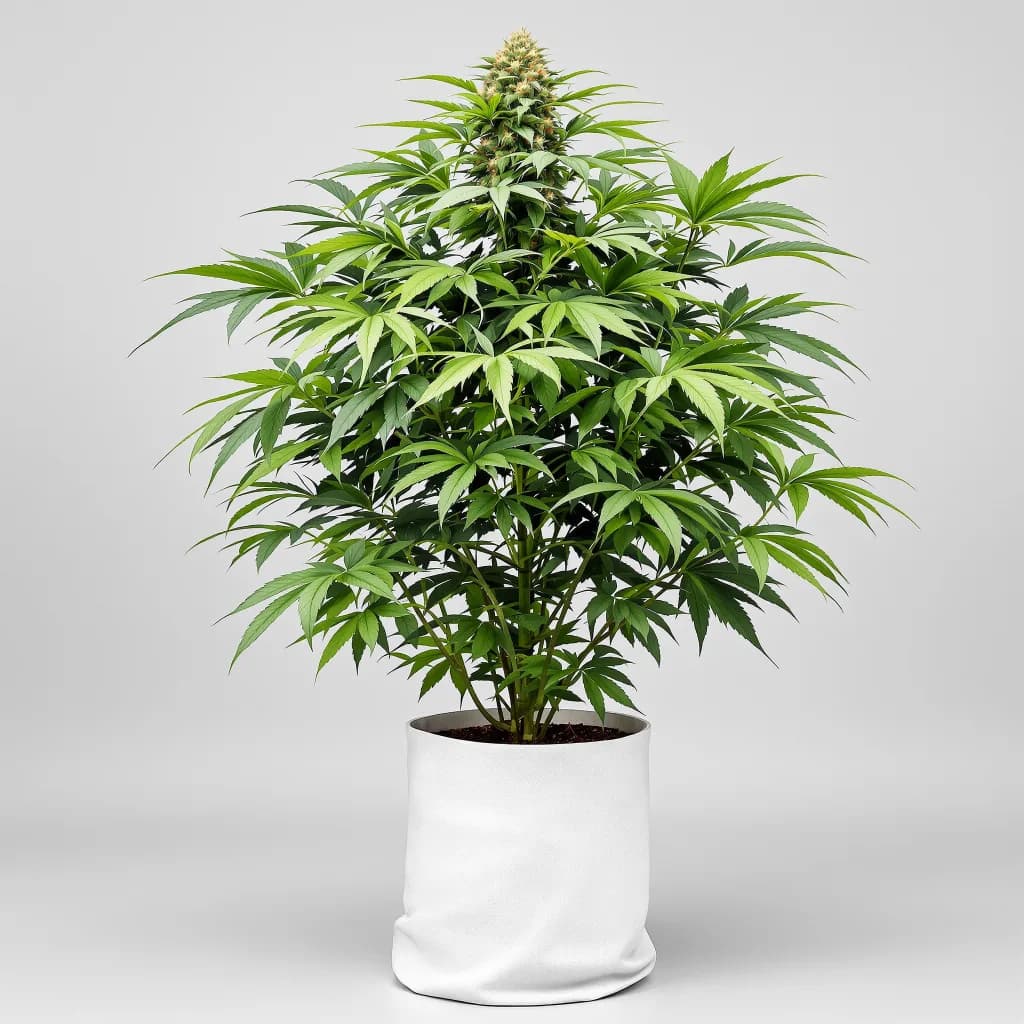
Pakistani Chitral Kush Feminised
Buy Pakistani Chitral Kush Feminised seeds in South Africa. Indica · 12% THC · euphoric, focused. Every figure on this page is sourced, and every order ships unbranded.
Royal King Genetics — Seed-Lot Testing
Figures below come from our own seed-lot testing rather than breeder marketing, taken from a single batch tested 2026-09-24 on 225 seeds.
About Pakistani Chitral Kush Feminised
Will Pakistani Chitral Kush handle a South African summer outdoors? Yes. Put this 86/14 indica in the ground between September and November and you will be cutting from March to May. It stays low enough not to clear a boundary wall, and the short frame carries more weight than its size suggests. Bloom runs 8-9 weeks, placing harvest between March and May across most provinces.
What yield is realistic? 450–550 g/m² indoors is reachable under decent LED with steady feeding. Outdoors, 450–750 g/plant a plant is normal in 50 litre pots or straight into prepared ground in full sun. At 12% THC with myrcene in front, the return on effort is good.
How much can go wrong before it shows? Some. Anyone who understands pH, a feeding schedule and a light cycle will be fine. Neglect it entirely and it will suffer, but a single missed watering will not undo the grow.
The Aromatic Three
Leading with Myrcene, then Humulene, and Linalool underneath.
Difficulty: easy. In flower for 8-9 weeks. Stands 110–150 cm. Indoors it returns 450–550 g/m². Outdoors, 450–750 g/plant a plant.
Effects
Reach For It When
Strain Type
At a Glance
In the Packet
Feminised Premium
Seeds
the source
inside
number
Related Strains
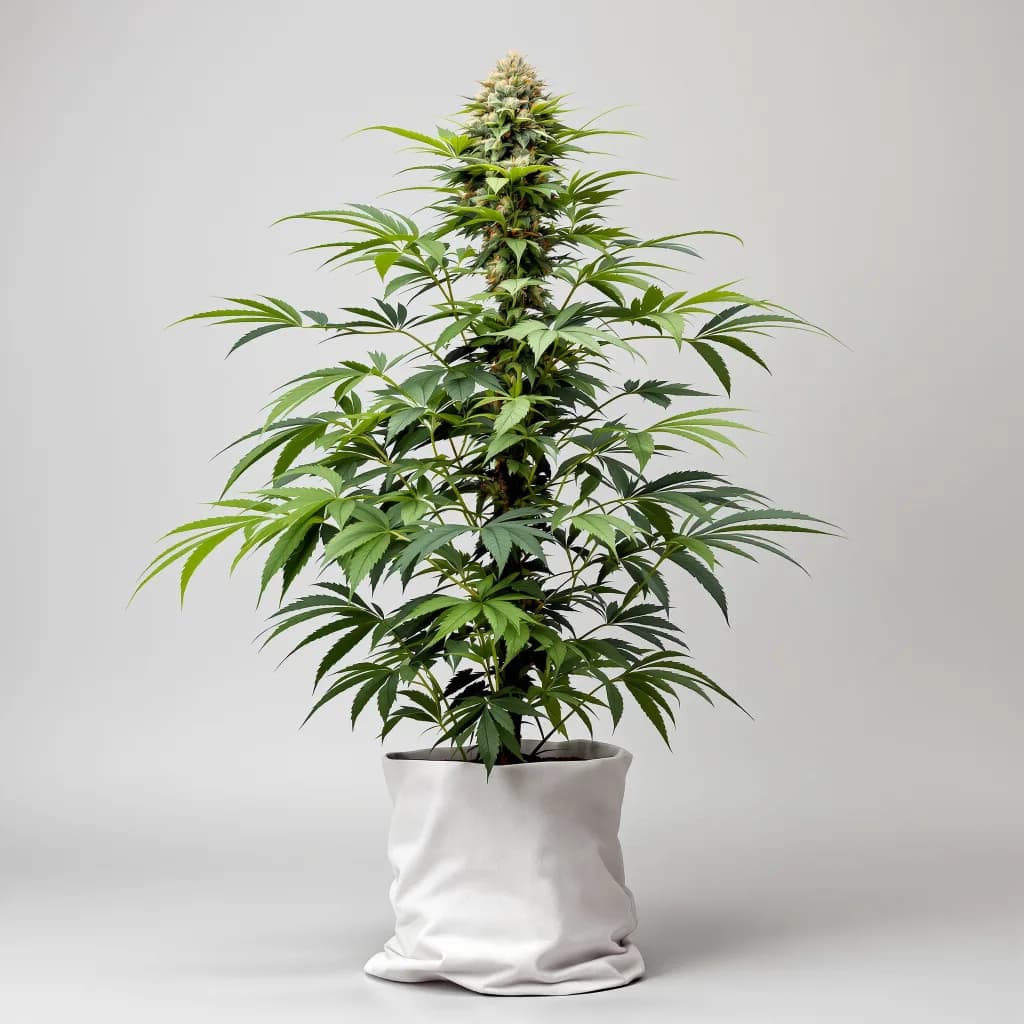
Pakistani Chitral Kush Auto
Pakistani Chitral Kush Auto for South African growers — indica genetics at 12% THC, reported as euphoric, focused. Sourced grow figures on the page, plain packaging, delivered nationwide.

Blackberry Rhino Feminised
Blackberry Rhino Feminised for South African growers — indica genetics at 13% THC, reported as relaxed, euphoric, focused. Sourced grow figures on the page, plain packaging, delivered nationwide.
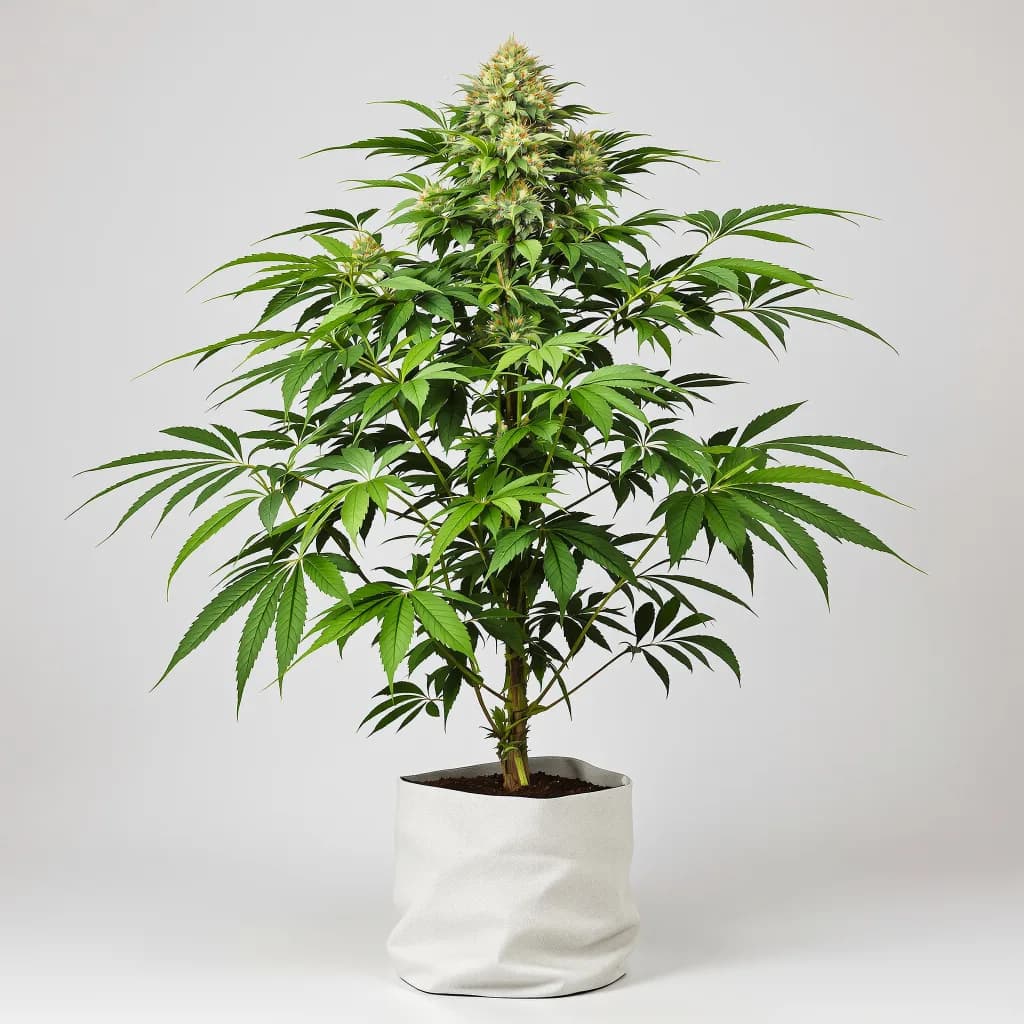
Marcosus Marshmellow Feminised
A indica testing at 14% THC, Marcosus Marshmellow Feminised is reported euphoric, creative, focused. Grown right across the country, from the Cape to the Lowveld. Discreet nationwide delivery and a germination guarantee.
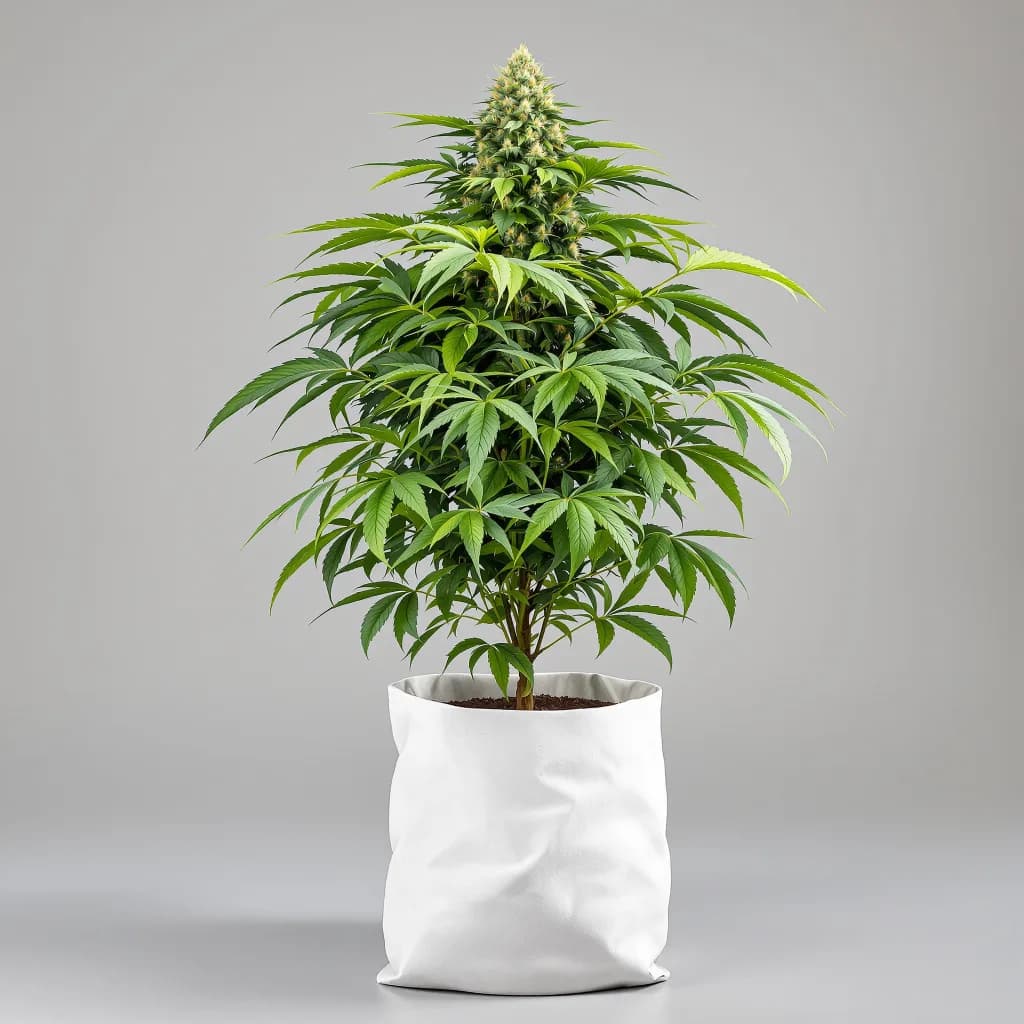
Purple Passion Feminised
Purple Passion Feminised for South African growers — indica genetics at 14% THC, reported as euphoric, focused, calm. Sourced grow figures on the page, plain packaging, delivered nationwide.
Pakistani Chitral Kush Feminised — Breeder Information
Royal King GeneticsRecreated and stabilised by Royal King Genetics, the breeding team behind this catalogue. Seed lots are germination-tested before they ship. More on the breeding process and about page.
A 2010s production clone-only original brought to seed via a three-generation backcross programme. Vigour, terpene character and resin density are all locked. The pack runs true to the cut your mate grew off a clone last season.
Recreate the Pakistani Chitral Kush clone-only cut in stable seed form.
Chosen for purple/dark expression where it shows, dense bud structure and a true indica relaxation profile.
Royal King Genetics breeding facility — pollen from internally selected sibling males of the recurrent parent.