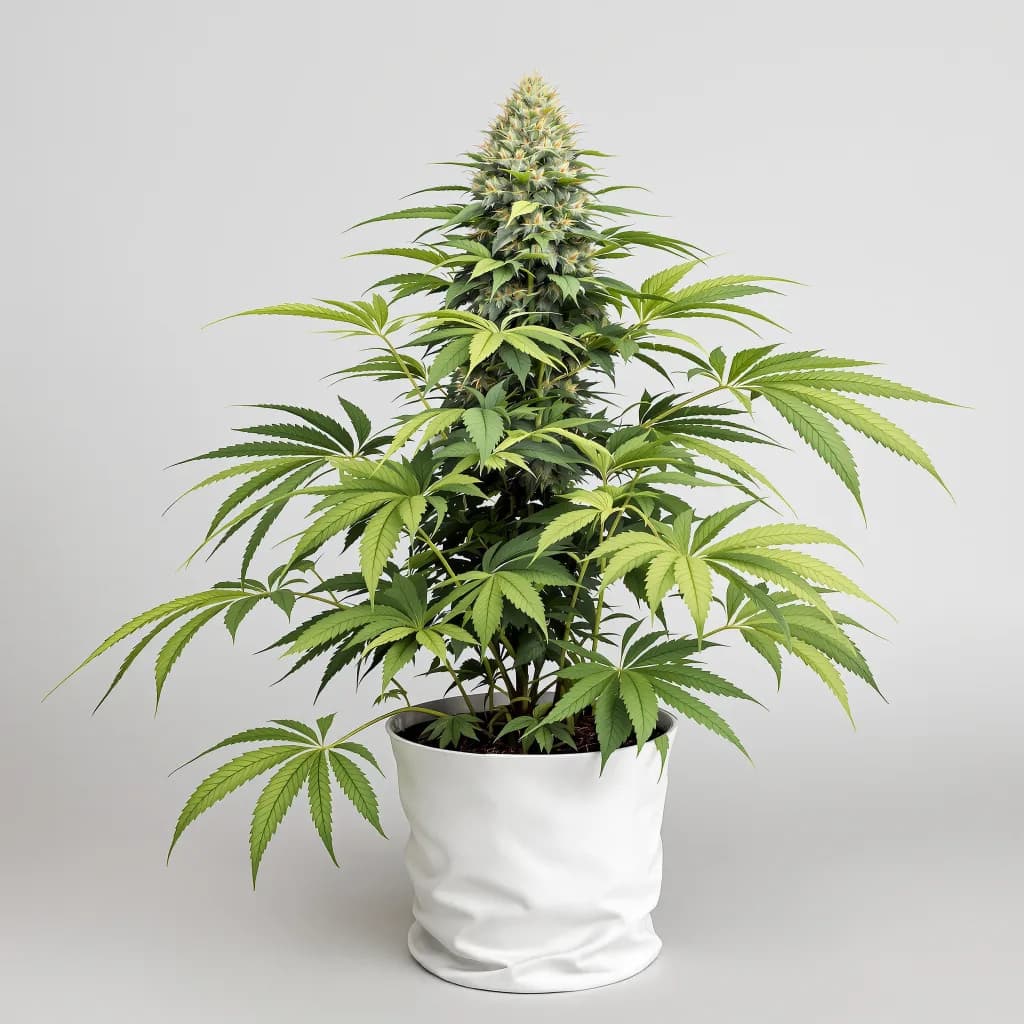
Purple Sage Auto
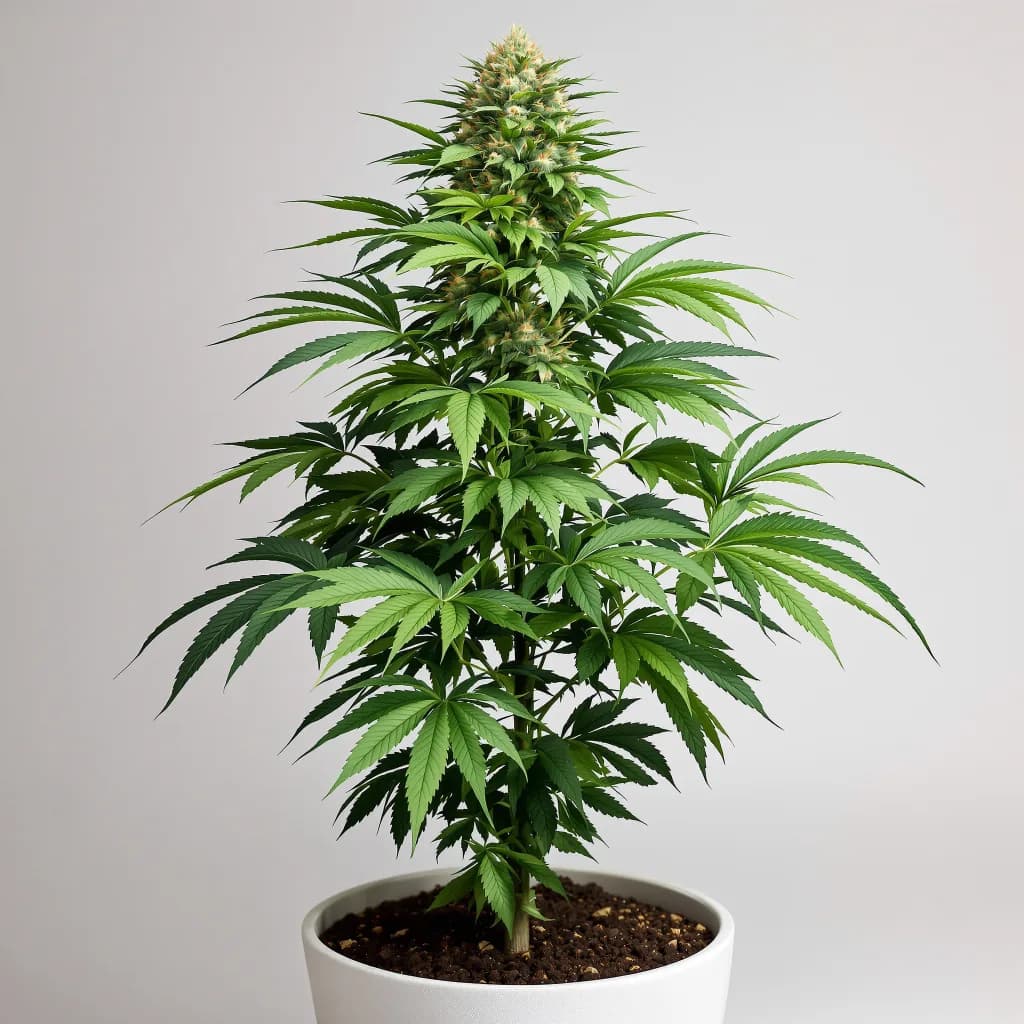
Purple Sage Auto: indica cannabis seeds picked for South African conditions. 16% THC, with creative, focused, calm the effects most often reported. Posted discreetly countrywide.
Royal King Genetics — Seed-Lot Testing
Figures below come from our own seed-lot testing rather than breeder marketing, taken from a single batch tested 2026-09-13 on 325 seeds.
About Purple Sage Auto
The way to plan Purple Sage is backwards from the day you intend to cut, with up to 200 g/m2 per square metre indoors and up to 300 g/plant per plant outdoors as the figures you are working toward, at 16% THC. Count 50-60 days back from that date and you have your flip date. Most of the final weight lands between weeks 5 and 8, when calyxes stack fastest and trichome cover goes from patchy to complete. Outdoors in the Southern Hemisphere you want that fattening phase falling in February while the days are still long, which puts a late-March cut about right for most of the country.
The Aromatic Three
Leading with Caryophyllene, then Myrcene, and Bisabolol underneath.
Difficulty: easy. In flower for 50-60 days. Stands 70–110 cm. Indoors it returns up to 200 g/m2. Outdoors, up to 300 g/plant a plant.
Effects
Reach For It When
Strain Type
At a Glance
In the Packet
Regular
Seeds
the source
inside
number
Related Strains
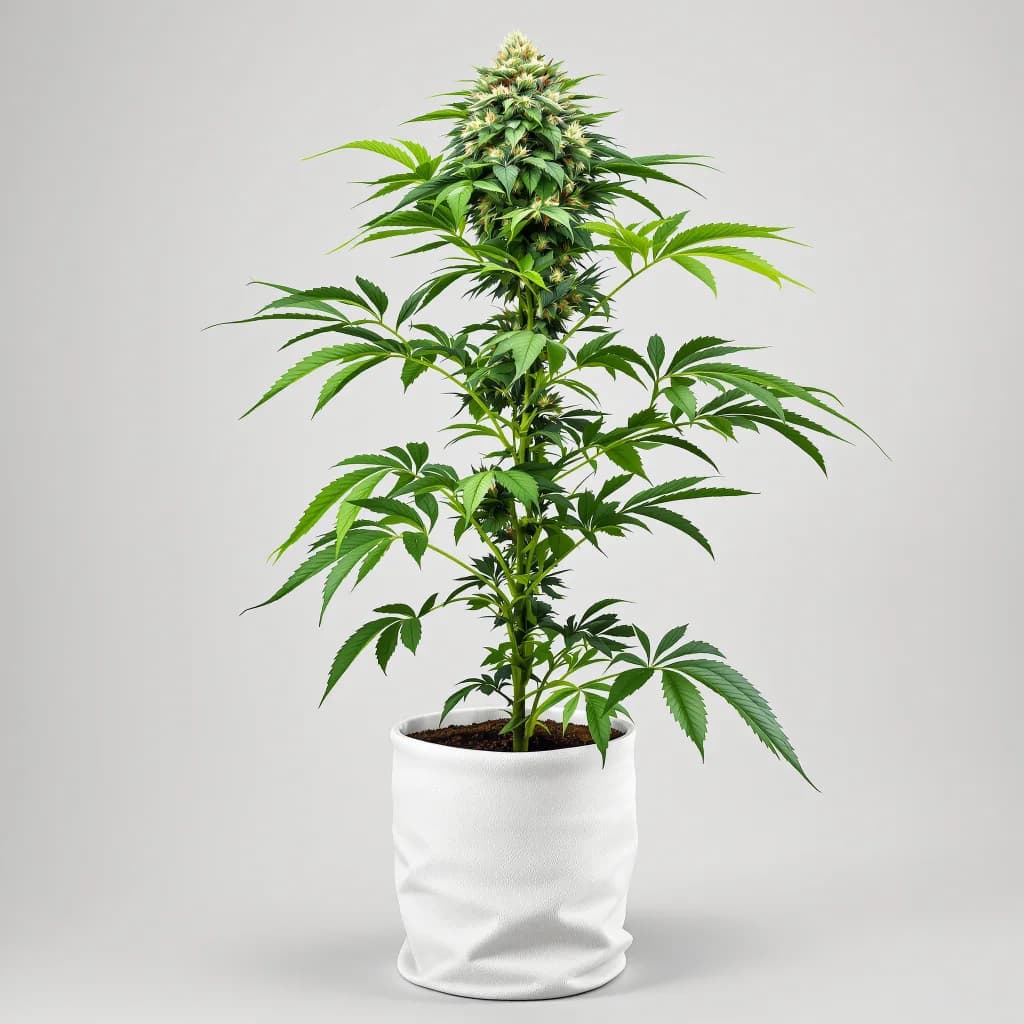
Purple Dragon Auto
Purple Dragon Auto for South African growers — indica genetics at 18% THC, reported as creative, focused, calm. Sourced grow figures on the page, plain packaging, delivered nationwide.
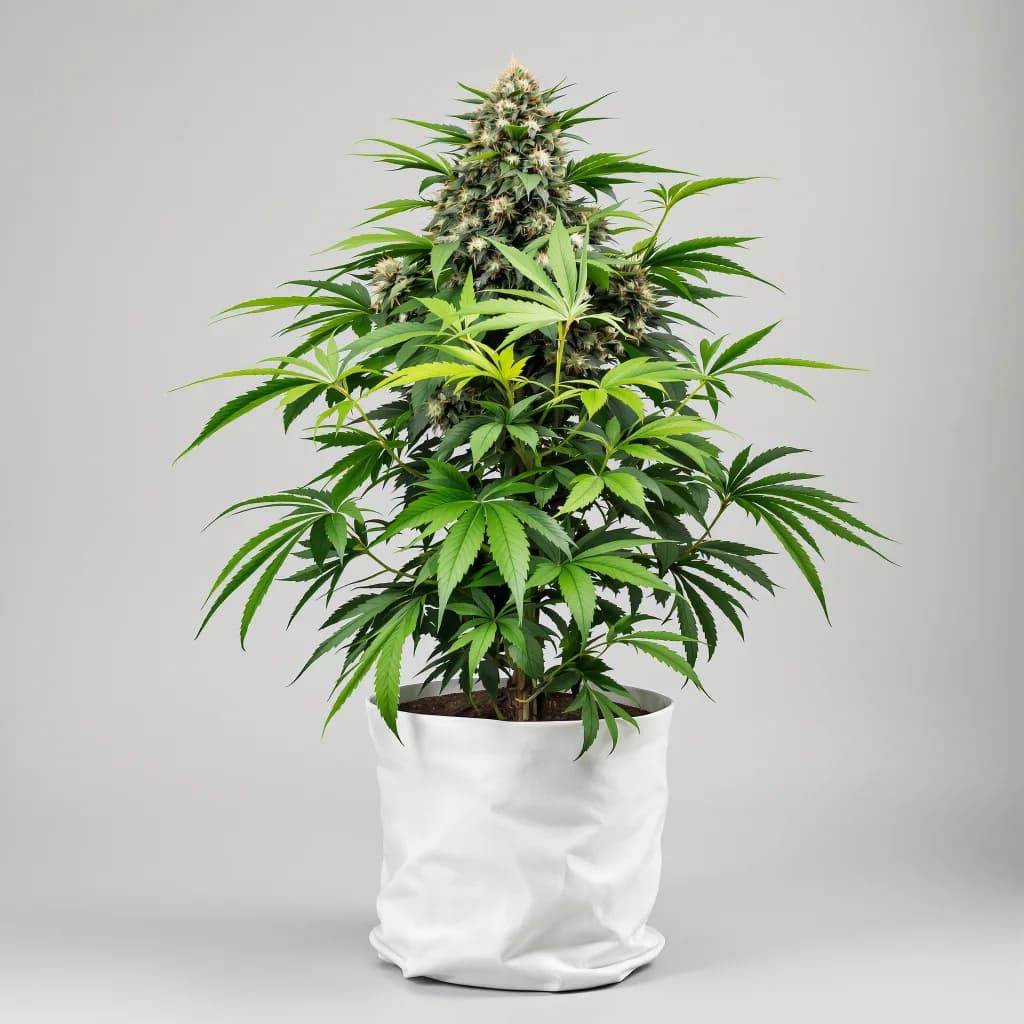
Pakistan Valley Kush Auto
Pakistan Valley Kush Auto: indica cannabis seeds picked for South African conditions. 18% THC, with creative, focused, calm the effects most often reported. Posted discreetly countrywide.
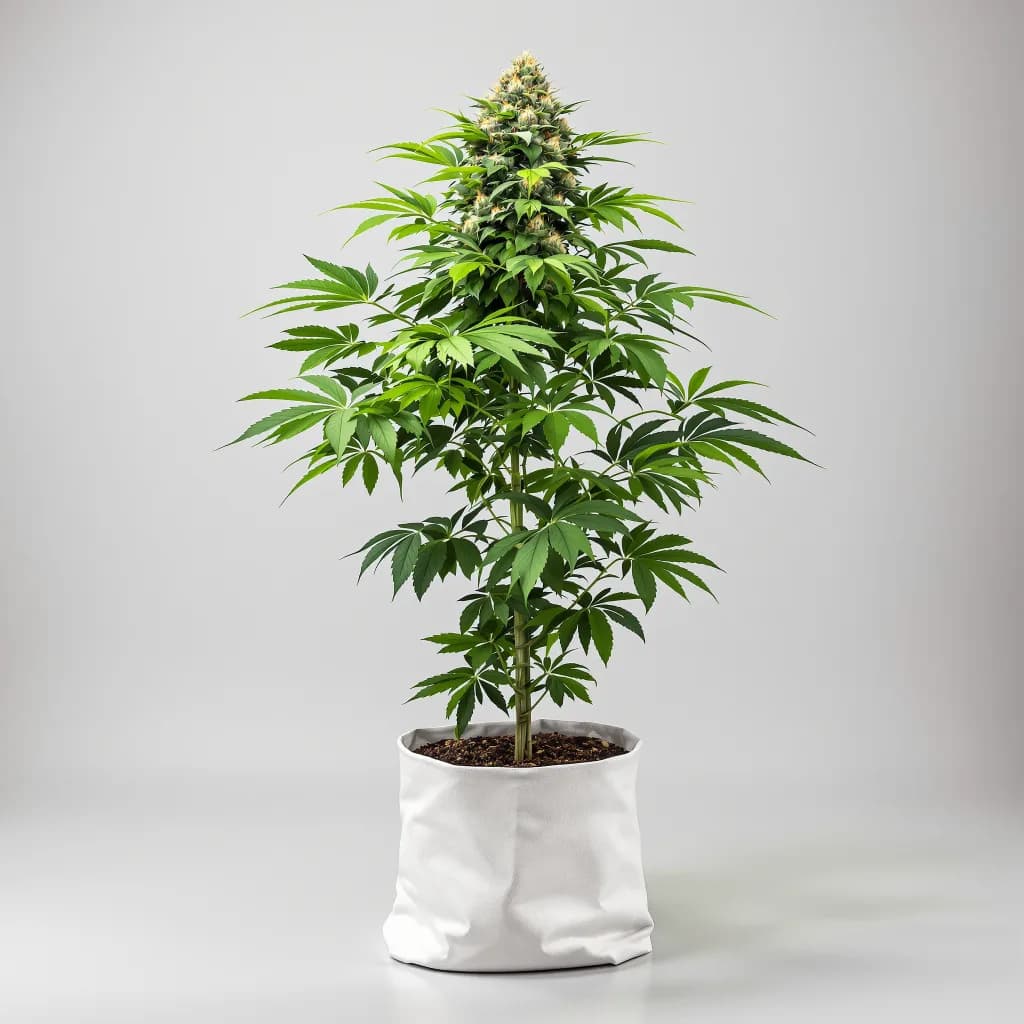
American Kush Auto
American Kush Auto for South African growers — indica genetics at 18% THC, reported as uplifted, focused, calm. Sourced grow figures on the page, plain packaging, delivered nationwide.
Black Bubba Auto
Black Bubba Auto for South African growers — indica genetics at 19% THC, reported as euphoric, creative, calm. Sourced grow figures on the page, plain packaging, delivered nationwide.
Purple Sage Auto — Breeder Information
Royal King GeneticsRecreated and stabilised by Royal King Genetics, the breeding team behind this catalogue. Seed lots are germination-tested before they ship. More on the breeding process and about page.
Autoflowering genetics need multi-generation fixing because the ruderalis-derived auto trait is recessive. Purple Sage sits at F5 — every plant in the pack autoflowers reliably and finishes inside a tight window.
Stabilise the recessive ruderalis trait in Purple Sage for uniform auto-trigger.
Chosen for indica vigour, compact bud formation and a reliable finish window.
Royal King Genetics in-house breeder room — pollen taken from a generation-tracked sibling-male line.