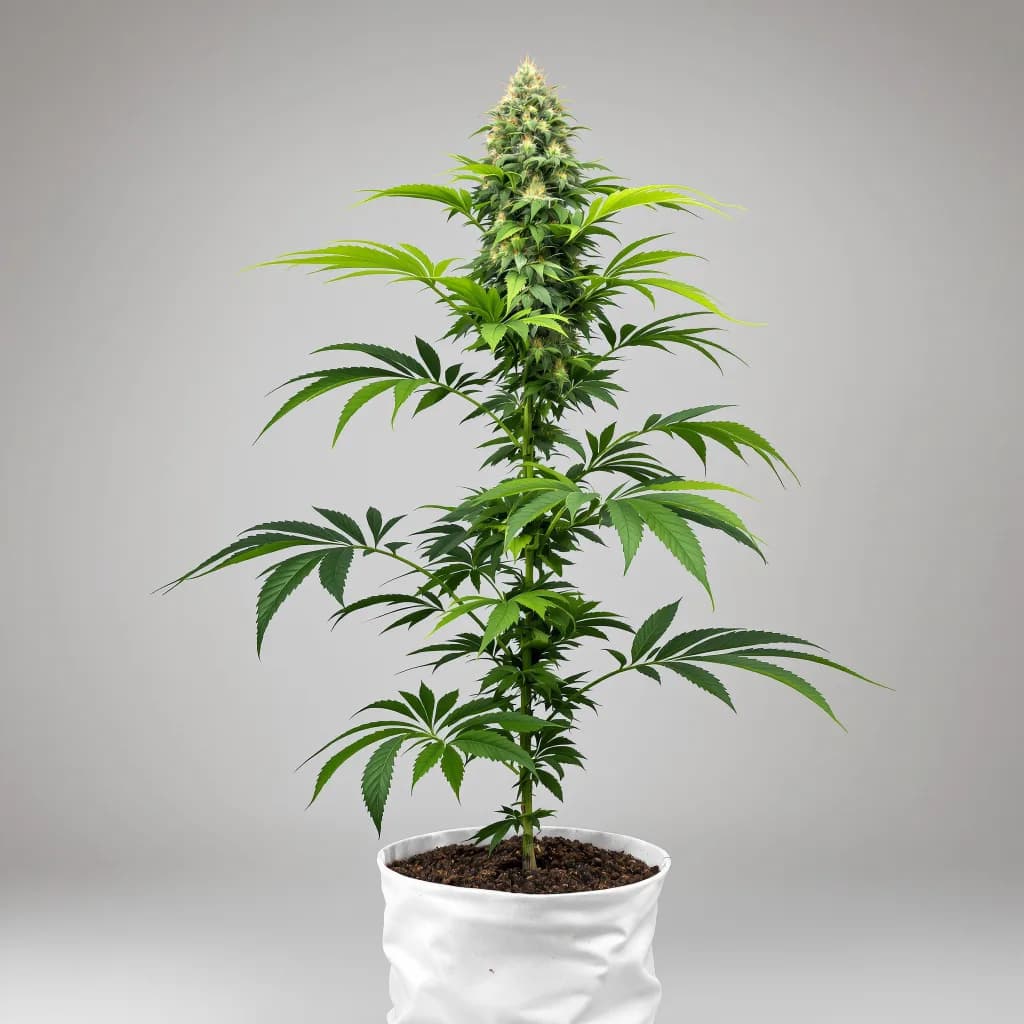
Tangerine Kush Auto
A indica testing at 16% THC, Tangerine Kush Auto is reported happy, relaxed, sleepy. Grown right across the country, from the Cape to the Lowveld. Discreet nationwide delivery and a germination guarantee.
Royal King Genetics — Seed-Lot Testing
Figures below come from our own seed-lot testing rather than breeder marketing, taken from a single batch tested 2026-09-21 on 375 seeds.
About Tangerine Kush Auto
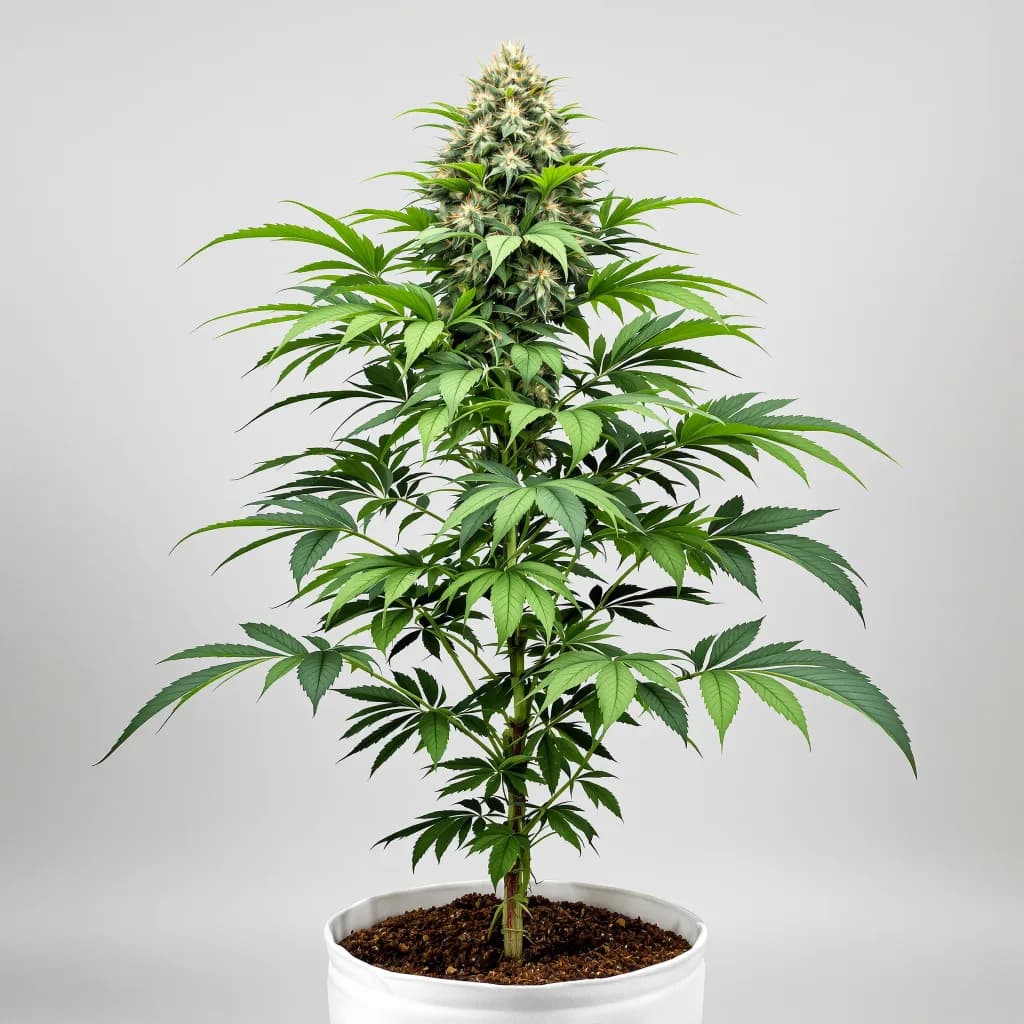
South Africa is really two growing countries, and Tangerine Kush does not behave the same way in both. North and east of the escarpment the rain arrives in summer, so this 70/30 indica does its flowering while the air is still heavy; in the Western Cape the rain comes in winter, so the same plant ripens through a dry autumn instead. Dense indica flowers at 16% THC are the wrong shape for a wet summer finish. Between Durban and Richards Bay, once humidity sits above 65% for days at a stretch, botrytis reaches the core of a cola before anything shows on the surface — defoliate early, space plants wider than feels necessary, and keep air moving under the canopy. That same density turns into an advantage on the Highveld: above 1 400 m the autumn nights go cold and dry, myrcene sharpens as the temperature drops, and a compact frame shrugs off a Free State storm that would flatten something taller.
The Aromatic Three
Leading with Myrcene, then Caryophyllene, and Linalool underneath.
Difficulty: easy. In flower for 9-10 weeks (seed to harvest). Stands 70-130 cm. Indoors it returns up to 450 g/m2. Outdoors, up to 100 g/plant a plant.
Effects
Reach For It When
Strain Type
At a Glance
In the Packet
Regular
Seeds
the source
inside
number
Related Strains
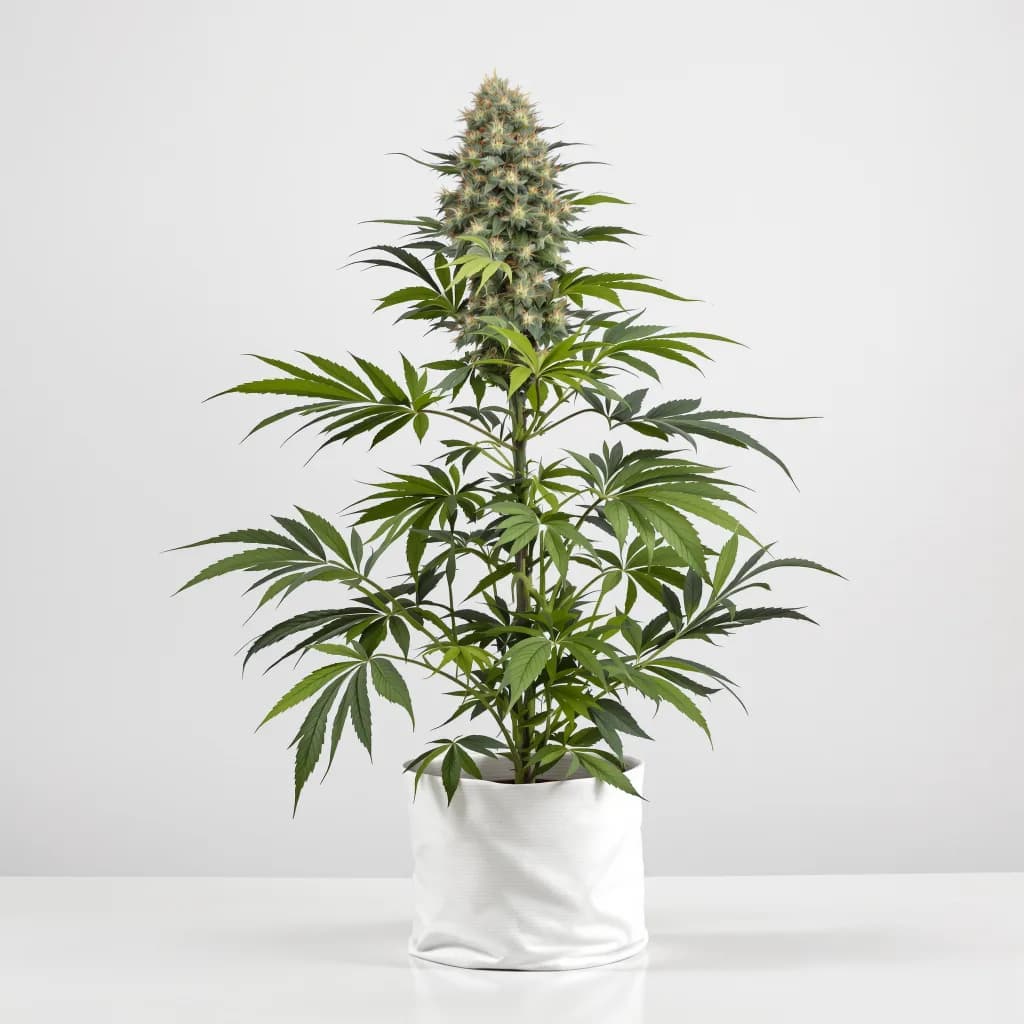
Bakerstreet Auto
Bakerstreet Auto for South African growers — indica genetics at 14% THC, reported as relaxed, sleepy, happy. Sourced grow figures on the page, plain packaging, delivered nationwide.
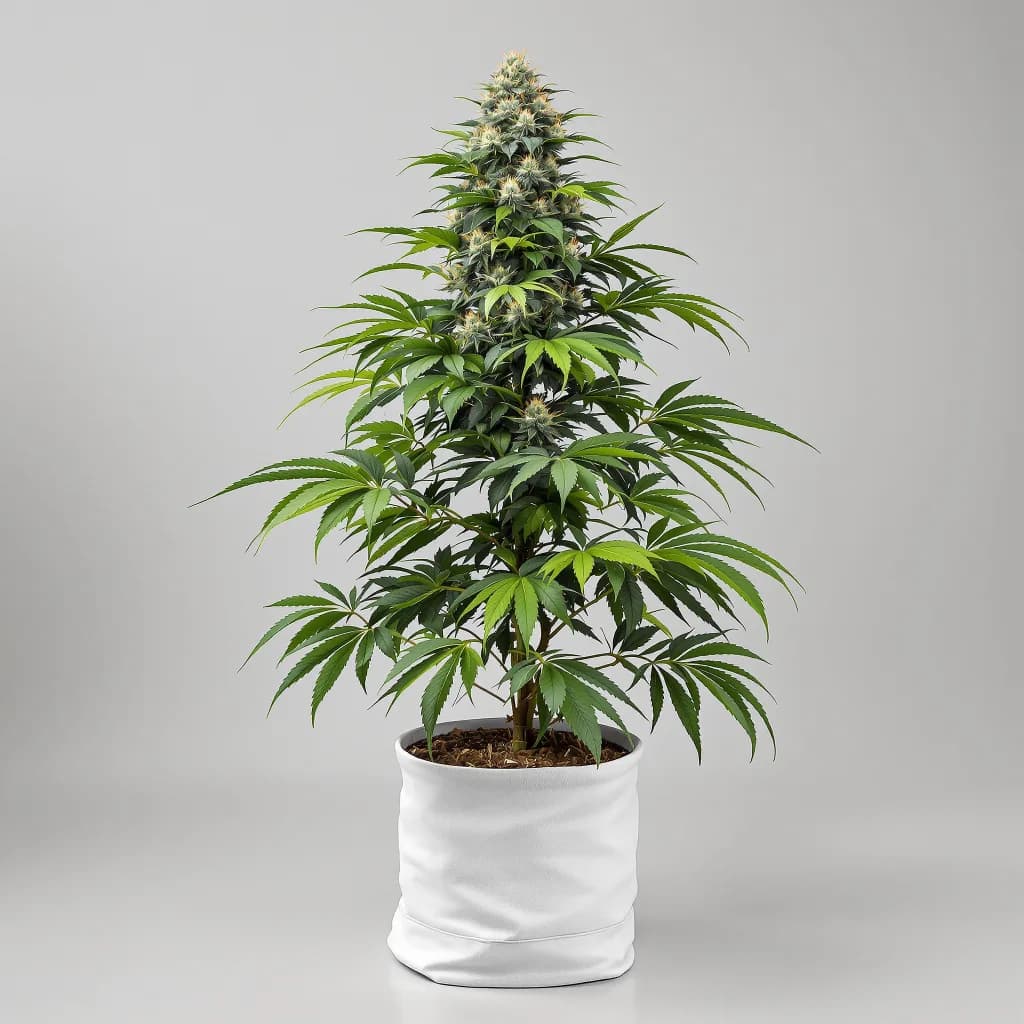
Burkle Auto
Burkle Auto: indica cannabis seeds picked for South African conditions. 18% THC, with relaxed, sleepy, happy the effects most often reported. Posted discreetly countrywide.
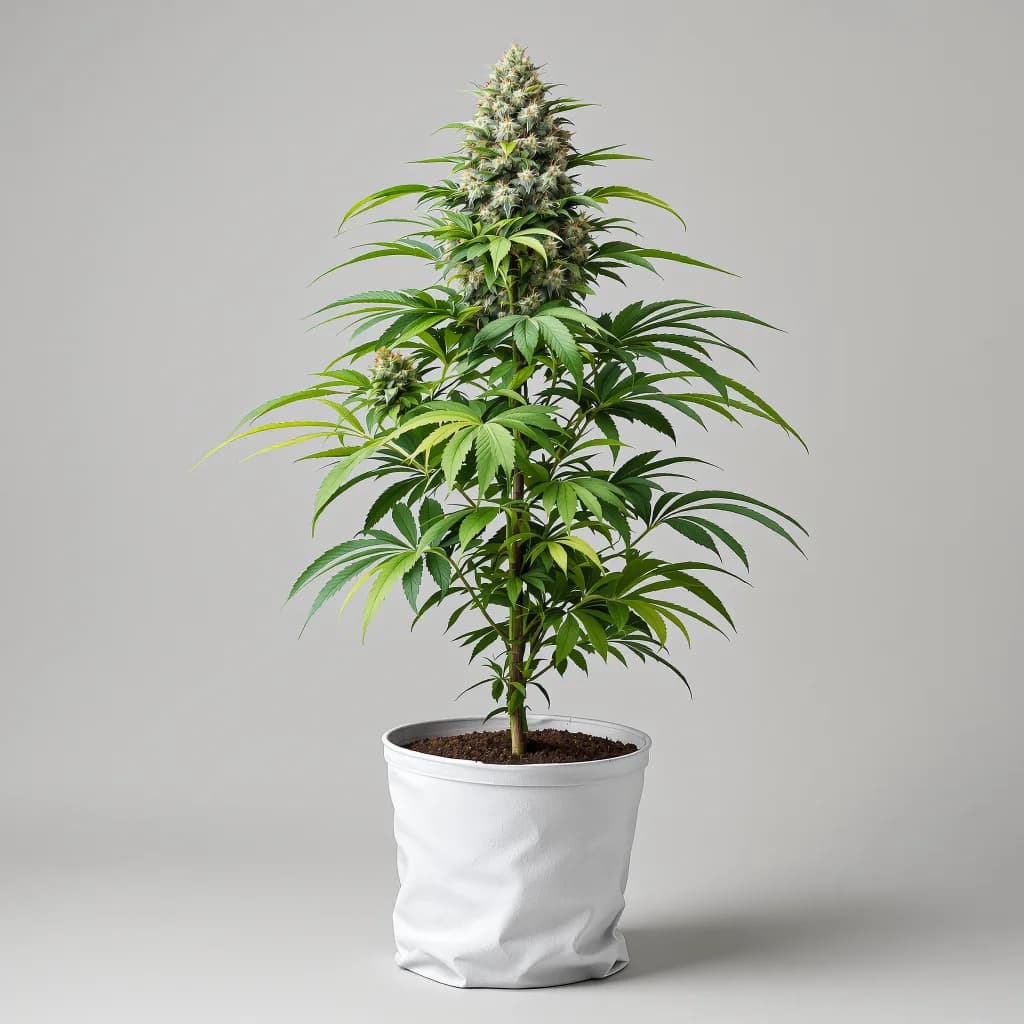
Hash Plant Auto
Hash Plant Auto for South African growers — indica genetics at 16% THC, reported as happy, relaxed, sleepy. Sourced grow figures on the page, plain packaging, delivered nationwide.
Money Maker Auto
A indica testing at 17% THC, Money Maker Auto is reported relaxed, sleepy, happy. Grown right across the country, from the Cape to the Lowveld. Discreet nationwide delivery and a germination guarantee.
Tangerine Kush Auto — Breeder Information
Royal King GeneticsRecreated and stabilised by Royal King Genetics, the breeding team behind this catalogue. Seed lots are germination-tested before they ship. More on the breeding process and about page.
Five generations of Royal King Genetics autoflower stabilisation on Tangerine Kush. Auto trigger time, finish window and resin density all run uniform — no photo-hybrid surprises in the pack.
Stabilise the recessive ruderalis trait in Tangerine Kush for uniform auto-trigger.
Chosen for purple/dark expression where it shows, dense bud structure and a true indica relaxation profile.
Royal King Genetics breeding facility — pollen from internally selected sibling males of the recurrent parent.