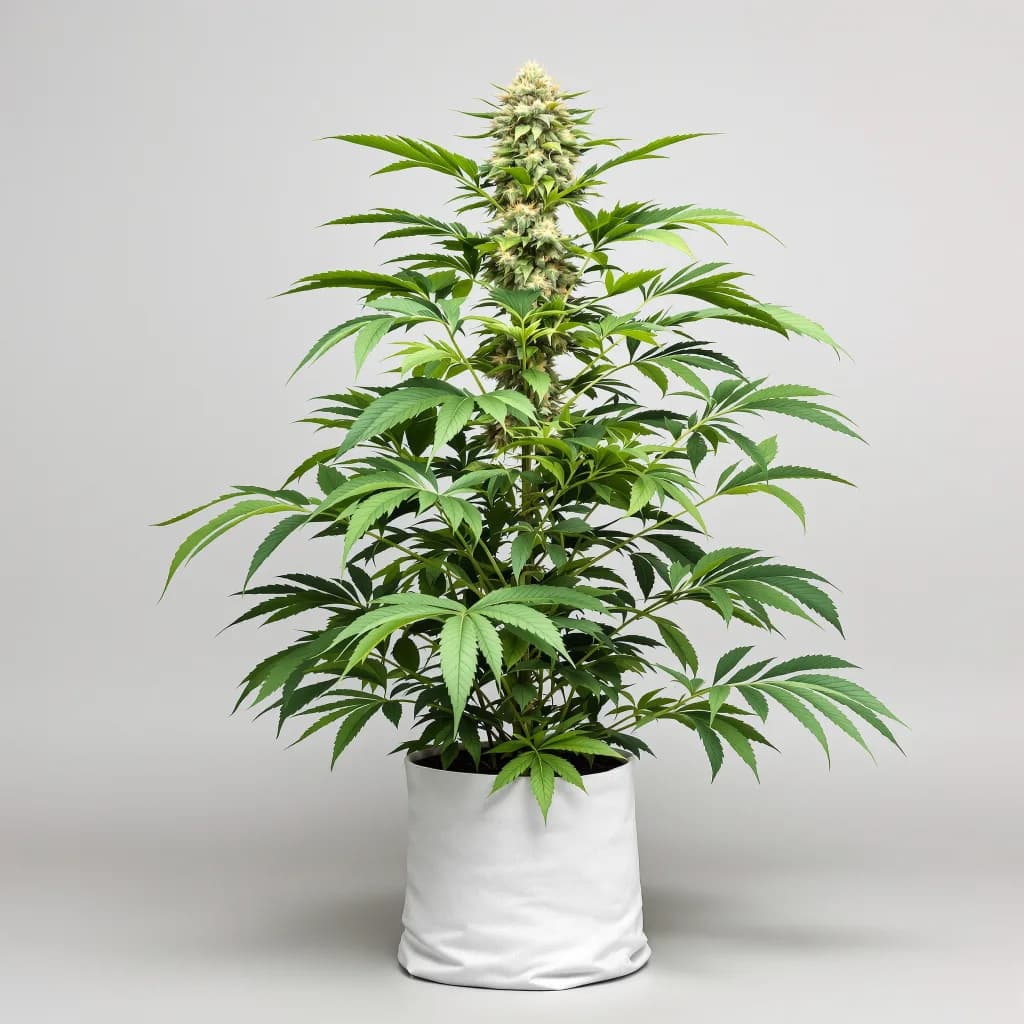
White Rhino Auto
White Rhino Auto for South African growers — indica genetics at 18% THC, reported as euphoric, happy, relaxed. Sourced grow figures on the page, plain packaging, delivered nationwide.
Royal King Genetics — Seed-Lot Testing
Figures below come from our own seed-lot testing rather than breeder marketing, taken from a single batch tested 2026-09-10 on 175 seeds.
About White Rhino Auto
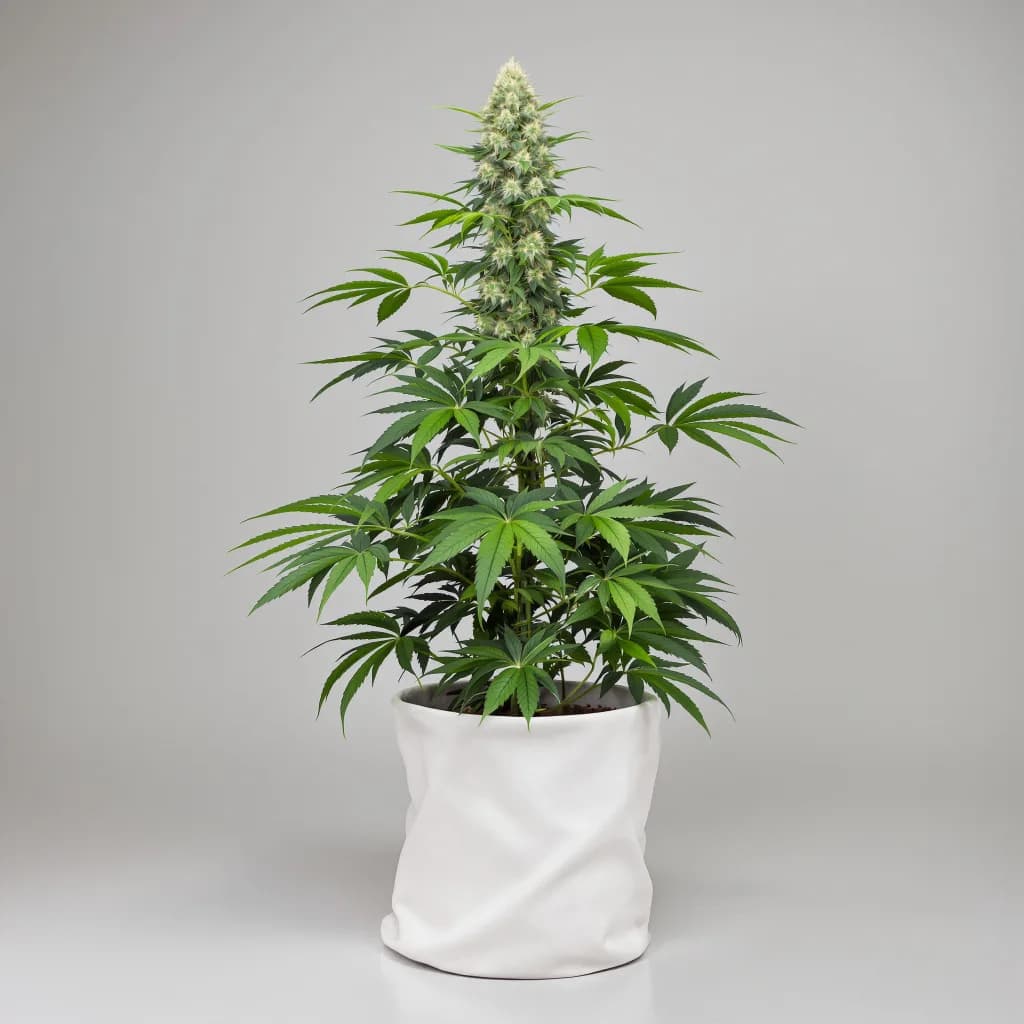
Days 1 to 14, seed to fourth node: Expect White Rhino to crack in roughly 48 hours on damp paper towel and to break soil by day three. Early growth comes in low and wide — broad seed leaves first, then the dark fan leaves the indica side is known for. Four nodes by the end of week two, stacked close together. Damping off is rare if you hold near 70% humidity through this stage.
Weeks 3 to 6, building the frame: Top at the fourth node and the laterals take over fast. A 60 x 60 cm footprint filled by week five is normal, still under 40 cm tall, which is what makes this workable in a small tent.
Bloom, weeks 1 to 60: The 90/50 character becomes obvious here. Myrcene usually shows in week three and strengthens from there, with trichome cover visible without a loupe from about week five. Indoor yield: up to 750 g/m2. Height: Up to 110 cm. Tested at 18% THC. Difficulty: easy.
The Aromatic Three
Leading with Myrcene, then Humulene, and Linalool underneath.
Difficulty: easy. In flower for 50-60 days. Stands Up to 110 cm. Indoors it returns up to 750 g/m2. Outdoors, up to 100 g/plant a plant.
Effects
Reach For It When
Strain Type
At a Glance
In the Packet
Regular
Seeds
the source
inside
number
Related Strains
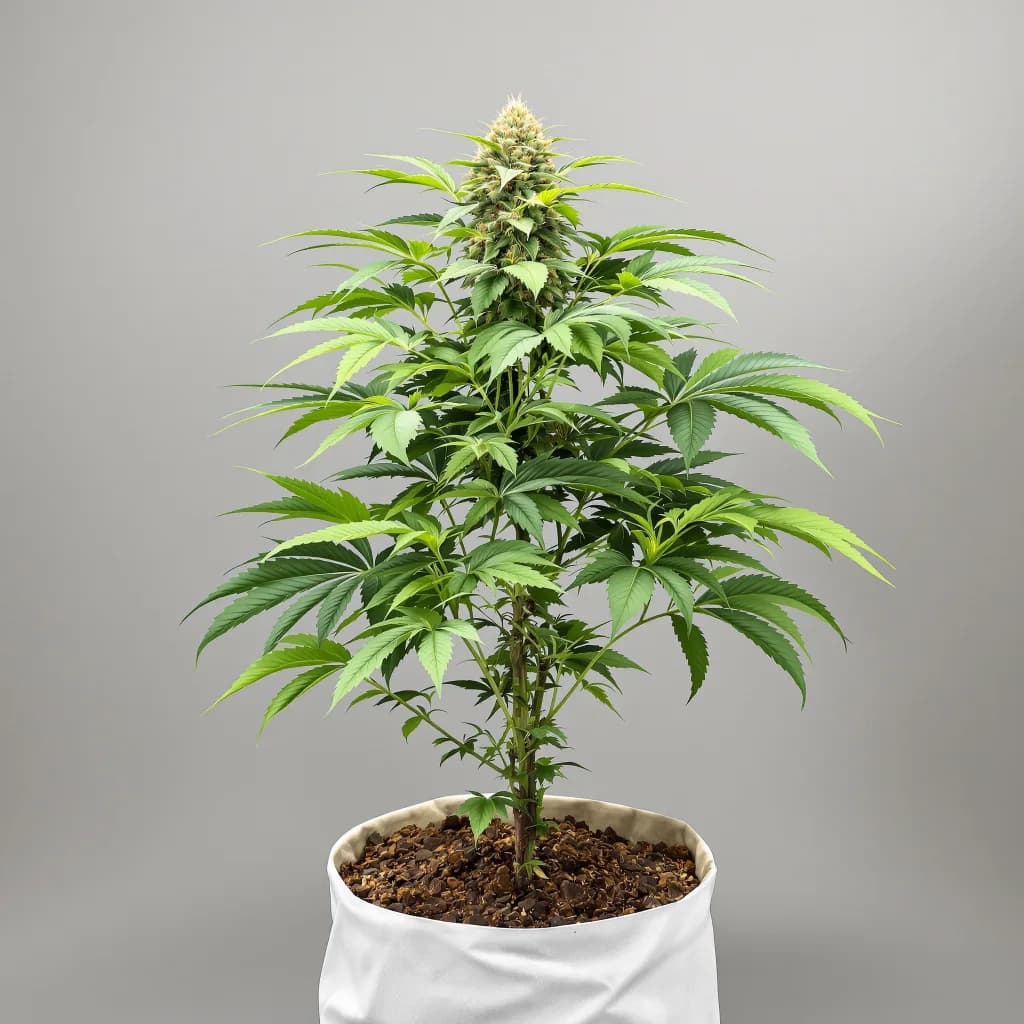
White Rhino Feminised
Buy White Rhino Feminised seeds in South Africa. Indica · 20% THC · euphoric, happy, relaxed. Every figure on this page is sourced, and every order ships unbranded.
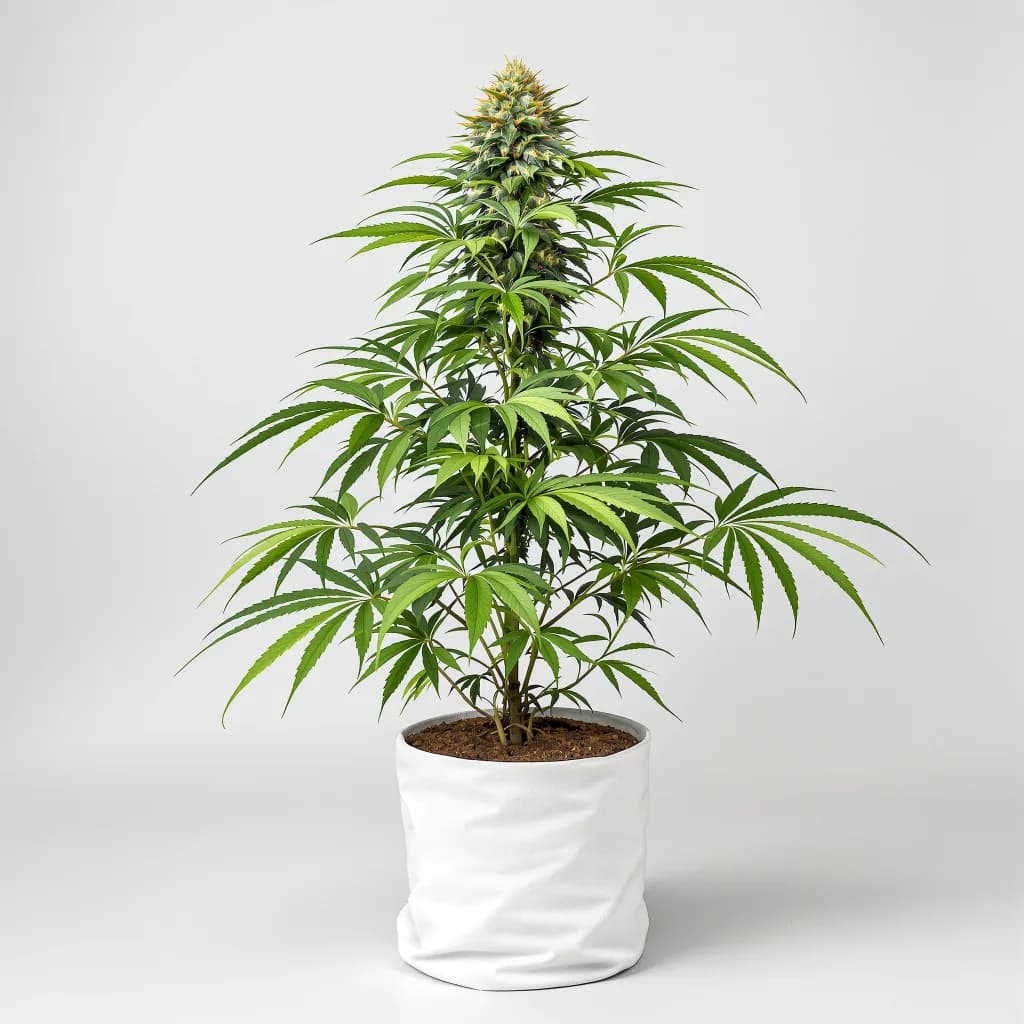
Snow White Auto
Snow White Auto: indica cannabis seeds picked for South African conditions. 20% THC, with focused, happy, uplifted the effects most often reported. Posted discreetly countrywide.
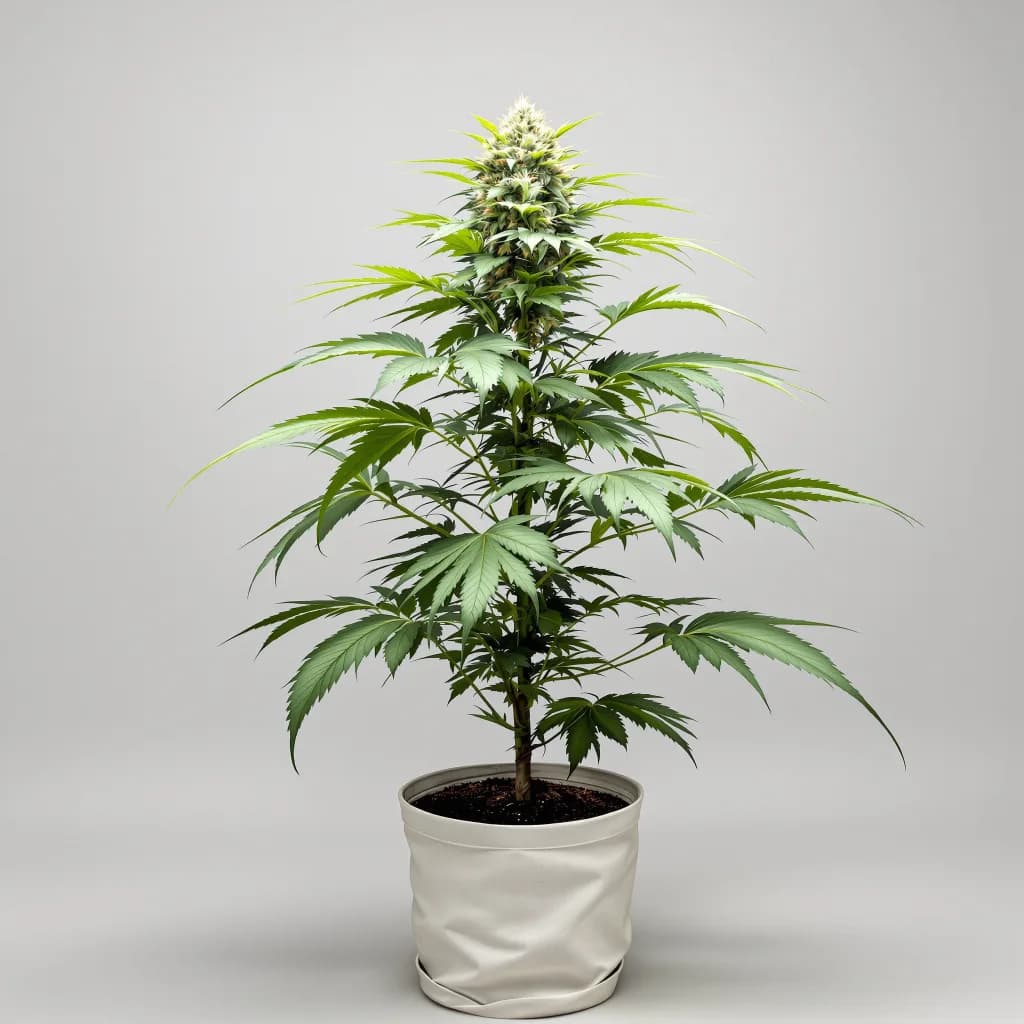
Appleberry Auto
Appleberry Auto for South African growers — indica genetics at 24% THC, reported as relaxed, sleepy, happy. Sourced grow figures on the page, plain packaging, delivered nationwide.
G13 Widow Auto
Buy G13 Widow Auto seeds in South Africa. Indica · 22% THC · relaxed, sleepy, happy. Every figure on this page is sourced, and every order ships unbranded.
White Rhino Auto — Breeder Information
Royal King GeneticsRecreated and stabilised by Royal King Genetics, the breeding team behind this catalogue. Seed lots are germination-tested before they ship. More on the breeding process and about page.
White Rhino is our F5 autoflower line. Five rounds of selection have fixed both the autoflower trigger and the indica relaxation profile the cultivar is known for. The recessive ruderalis trait demands this depth of work to express uniformly.
Reach auto trigger and finish-window uniformity for the White Rhino pack.
Chosen for resin density, indica-leaning frame and tight internodes that suit indoor production.
Royal King Genetics in-house mother stock — pollen taken from a sibling male drawn from the same selected pheno population.