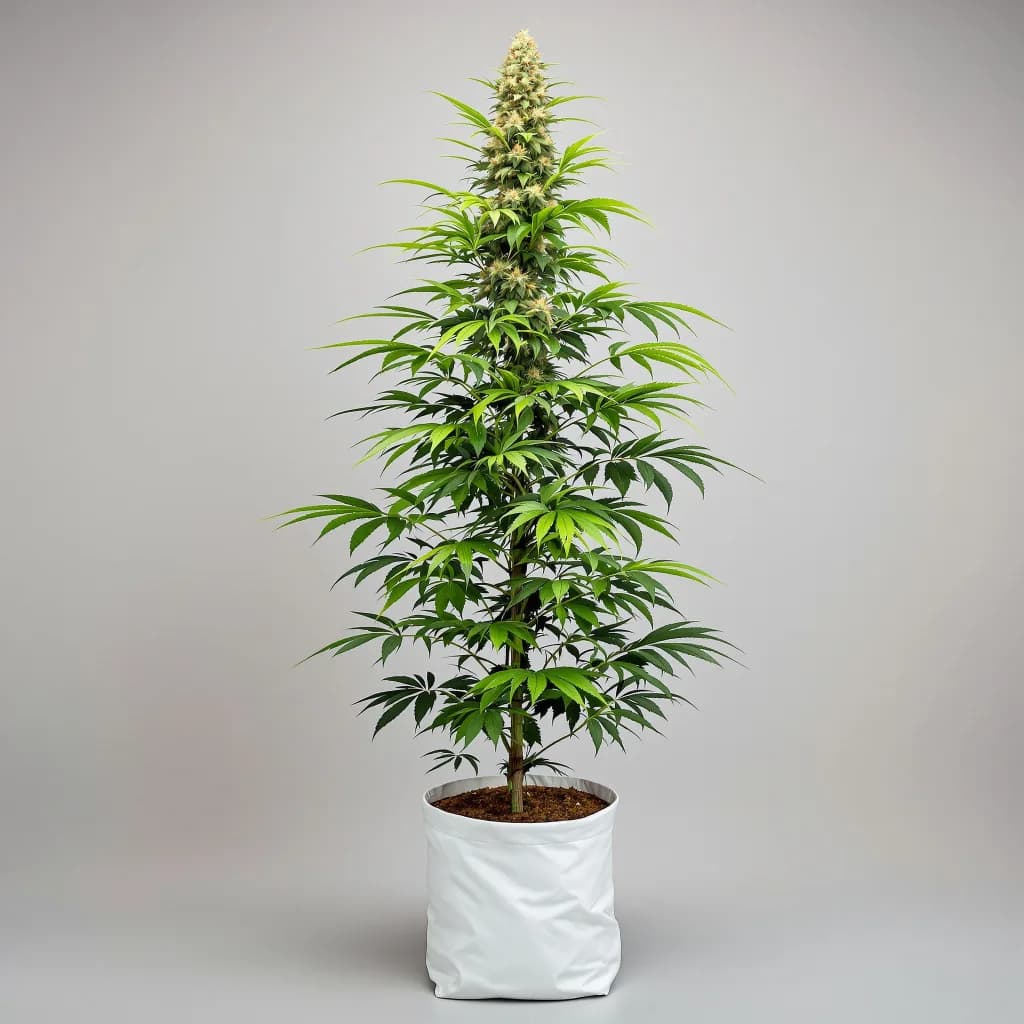
Red Congolese Auto
Red Congolese Auto: sativa cannabis seeds picked for South African conditions. 18% THC, with creative, energetic, focused the effects most often reported. Posted discreetly countrywide.
Royal King Genetics — Seed-Lot Testing
Figures below come from our own seed-lot testing rather than breeder marketing, taken from a single batch tested 2026-09-21 on 425 seeds.
About Red Congolese Auto
South Africa is really two growing countries, and Red Congolese does not behave the same way in both. North and east of the escarpment the rain arrives in summer, so this 10/90 sativa does its flowering while the air is still heavy; in the Western Cape the rain comes in winter, so the same plant ripens through a dry autumn instead. An open sativa canopy is the right structure for a humid coast, which is roughly how Durban Poison ended up the shape it is — air moves through the plant instead of sitting in it, and the botrytis pressure that ruins denser cultivars through a KwaZulu-Natal February mostly passes it by. The trade-off is the calendar. A 65-75 days bloom on the Highveld has to start early, which in practice means seedlings out by October, or the closing weeks run into frost. pinene expression is strongest where day-to-night swings exceed 10°C, and at altitude that is simply what autumn does.
The Aromatic Three
Leading with Pinene, then Limonene, and Caryophyllene underneath.
Difficulty: easy. In flower for 65-75 days. Stands Short. Indoors it returns up to 400 g/m2. Outdoors, up to 400 g/plant a plant.
Effects
Reach For It When
Strain Type
At a Glance
In the Packet
Regular
Seeds
the source
inside
number
Related Strains
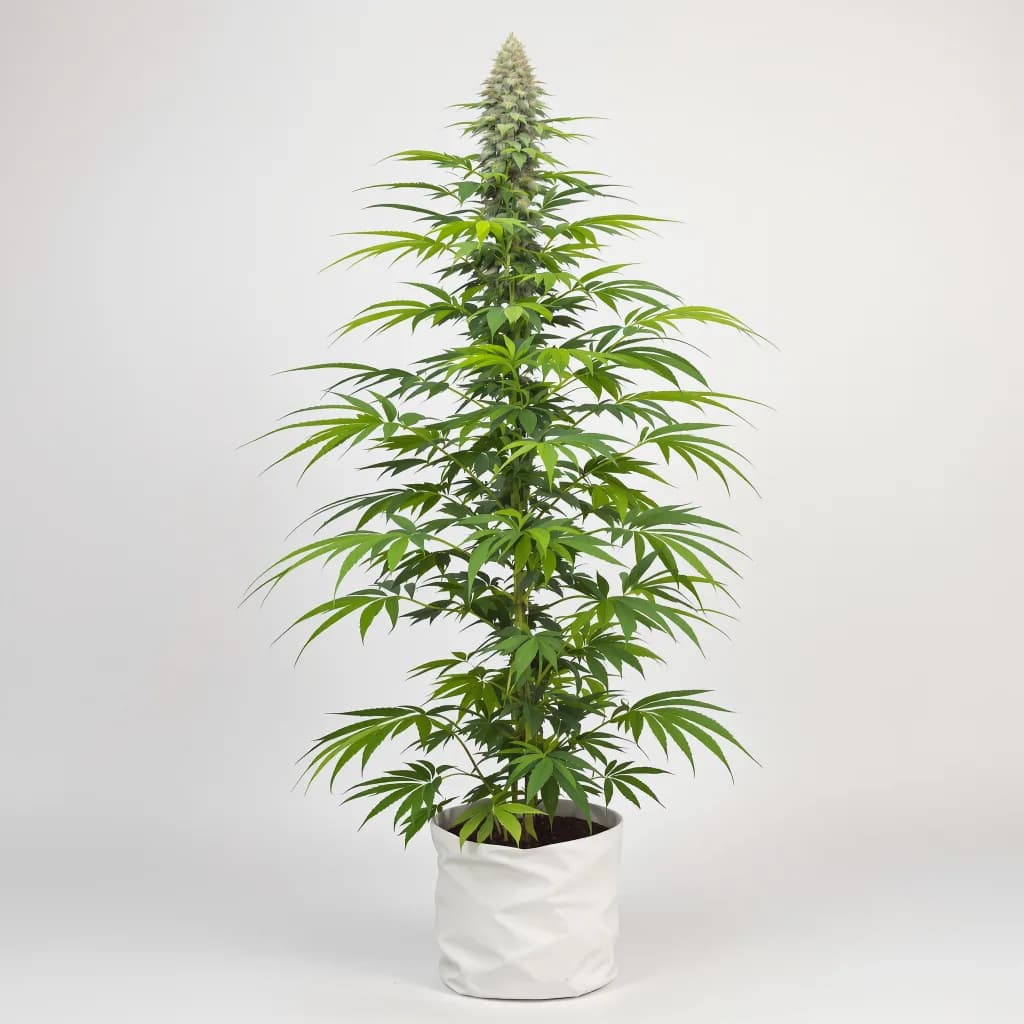
Red Congolese Feminised
A sativa testing at 18% THC, Red Congolese Feminised is reported creative, energetic, focused. Grown right across the country, from the Cape to the Lowveld. Discreet nationwide delivery and a germination guarantee.

Diesel Feminised
Diesel Feminised for South African growers — sativa genetics at 17% THC, reported as focused, energetic. Sourced grow figures on the page, plain packaging, delivered nationwide.
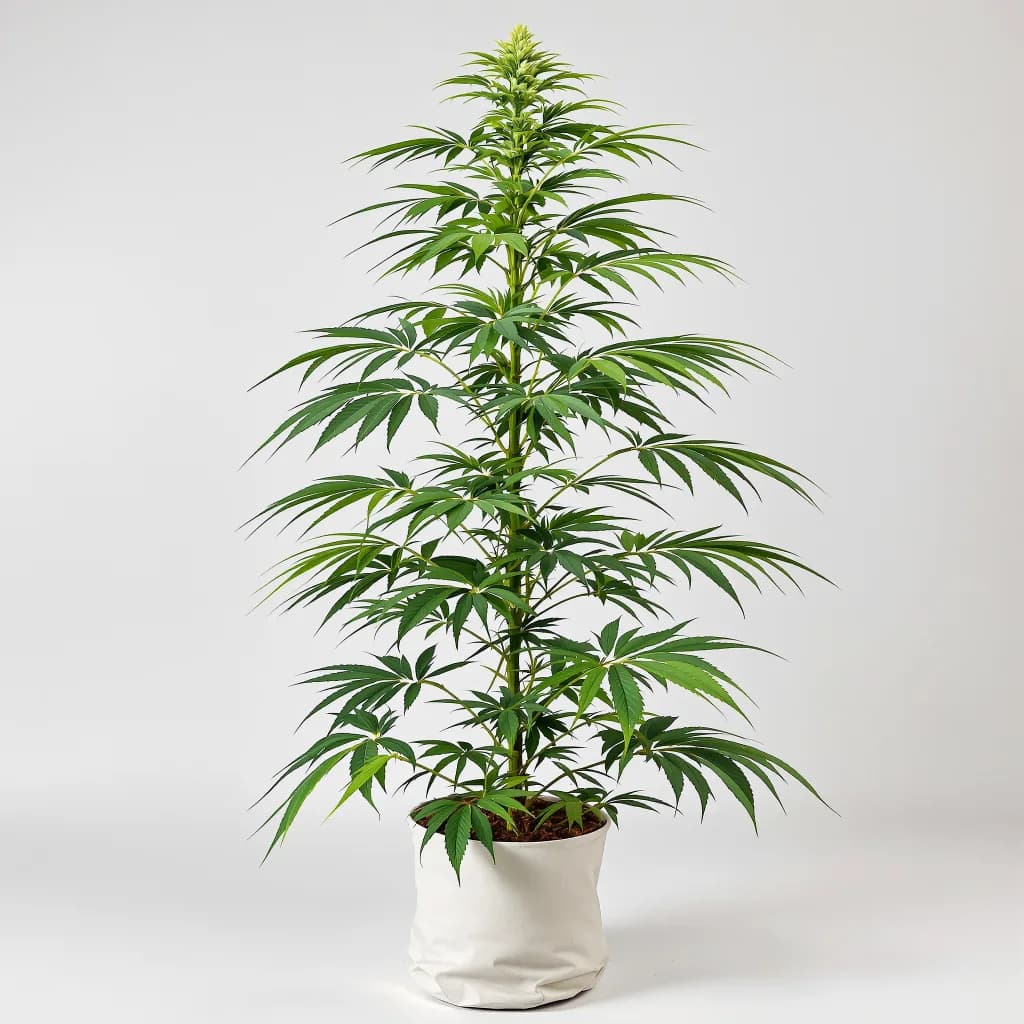
Industrial Plant Auto
Industrial Plant Auto: sativa cannabis seeds picked for South African conditions. 18% THC, with creative, calm the effects most often reported. Posted discreetly countrywide.
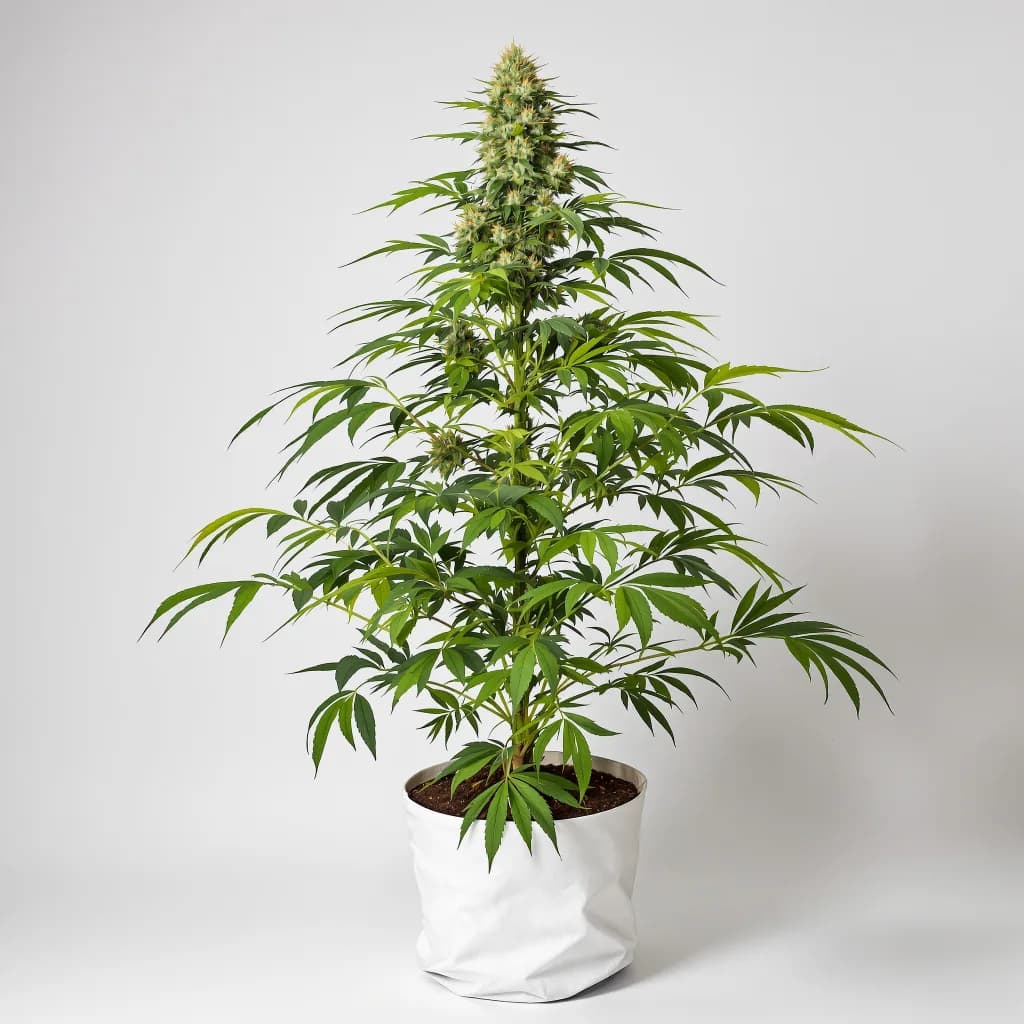
Willy's Wonder Auto
A hybrid testing at 21% THC, Willy's Wonder Auto is reported creative, energetic, relaxed. Grown right across the country, from the Cape to the Lowveld. Discreet nationwide delivery and a germination guarantee.
Red Congolese Auto — Breeder Information
Royal King GeneticsRecreated and stabilised by Royal King Genetics, the breeding team behind this catalogue. Seed lots are germination-tested before they ship. More on the breeding process and about page.
Red Congolese is our F5 autoflower line. Five rounds of selection have fixed both the autoflower trigger and the haze-character terps the cultivar is known for. The recessive ruderalis trait demands this depth of work to express uniformly.
Stabilise the recessive ruderalis trait in Red Congolese for uniform auto-trigger.
Chosen for sativa vigour, bud-to-leaf ratio and the distinctive terpene character of the original cut.
Royal King Genetics breeding facility — pollen from internally selected sibling males of the recurrent parent.