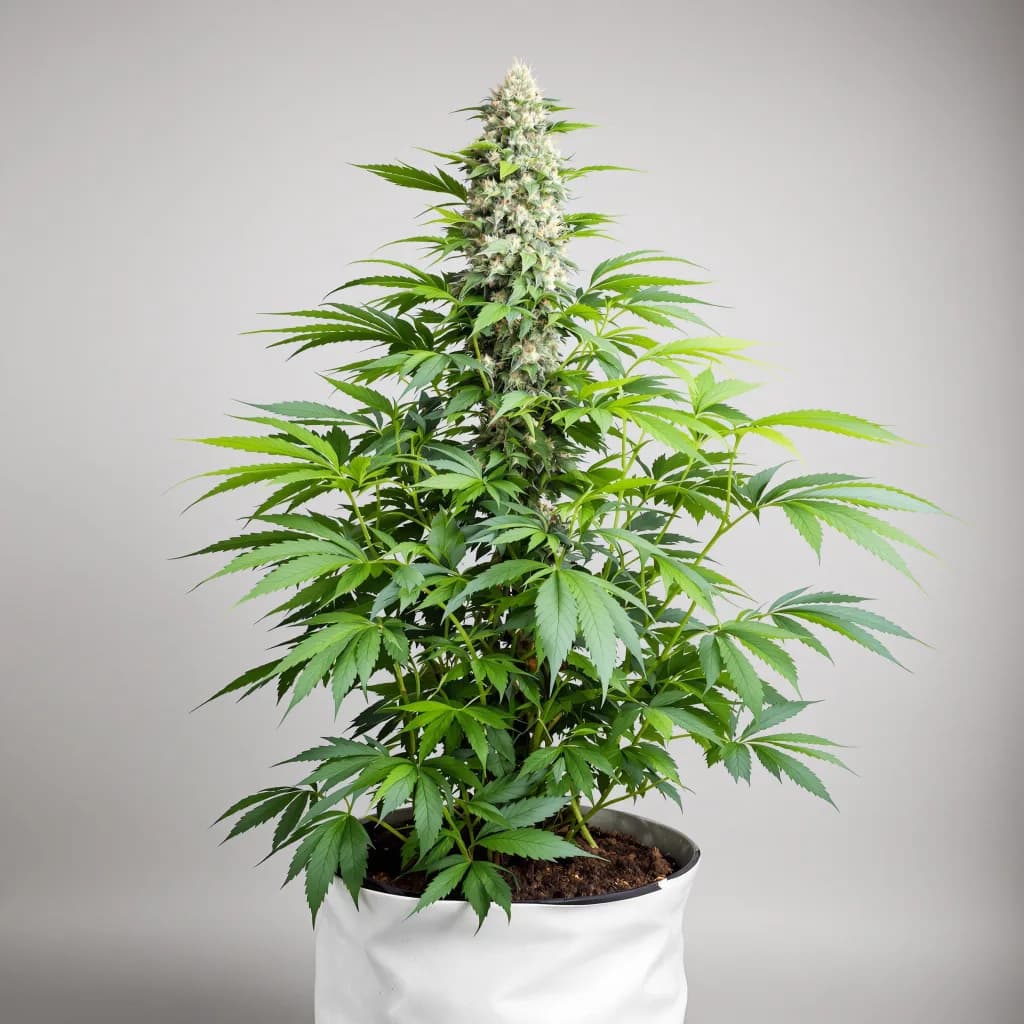
Remedy Auto
Remedy Auto for South African growers — indica genetics at 15% THC, reported as relaxed, sleepy, happy. Sourced grow figures on the page, plain packaging, delivered nationwide.
Royal King Genetics — Seed-Lot Testing
Figures below come from our own seed-lot testing rather than breeder marketing, taken from a single batch tested 2026-04-07 on 100 seeds.
About Remedy Auto
South Africa is really two growing countries, and Remedy does not behave the same way in both. North and east of the escarpment the rain arrives in summer, so this 68/32 indica does its flowering while the air is still heavy; in the Western Cape the rain comes in winter, so the same plant ripens through a dry autumn instead. Dense indica flowers at 15% THC are the wrong shape for a wet summer finish. Between Durban and Richards Bay, once humidity sits above 65% for days at a stretch, botrytis reaches the core of a cola before anything shows on the surface — defoliate early, space plants wider than feels necessary, and keep air moving under the canopy. That same density turns into an advantage on the Highveld: above 1 400 m the autumn nights go cold and dry, myrcene sharpens as the temperature drops, and a compact frame shrugs off a Free State storm that would flatten something taller.
Setting Up for South African Conditions
Outdoors, the province decides which problem you are actually solving.
KwaZulu-Natal and the subtropical coast. Humidity rather than heat is the limiting factor here. Whitefly and thrips peak from December through February, so introduce predatory mites (Phytoseiulus persimilis) before you see damage rather than after it. Airflow under the lower canopy matters more on this coast than anywhere else in the country.
The Highveld — Gauteng, Free State, North West. Frost closes the window at both ends. That suits autoflowering genetics well: plant from October and you will be finished long before the first frost. Above 1 400 m the ultraviolet index is high enough to push trichome production, but harden transplants off slowly or they bleach.
Western Cape. Flowering falls in the dry half of the year, which makes this the most forgiving outdoor condition in the country for Remedy — the mould pressure that shapes every other region never arrives. The south-easter is your problem instead: weeks of sustained summer wind through December and January will tear an unstaked plant apart.
Indoors the location stops mattering and the numbers take over. Through a summer sitting above 30°C ambient, run lights overnight on a 6pm-6am cycle and you sidestep most heat stress without paying for cooling. Hold humidity at 55-65% in veg and 40-50% once flowers set; EC 1.0-1.4 vegetative, 1.6-2.0 at peak bloom; pH between 5.8 and 6.3 depending on medium.
Difficulty: easy. In flower for 55-65 days. Stands 70–110 cm. Indoors it returns up to 400 g/m2. Outdoors, up to 400 g/plant a plant.
What Remedy Is Like to Use
The effects most commonly reported for this cultivar are relaxed, sleepy, happy. At 15% THC it sits in a bracket where the dose does most of the work. A single bowl vaporised at 185°C gives a manageable body relaxation with your head still intact — enough to close out a long day in the summer heat. Push the dose and it moves decisively toward physical sedation, which is how it tends to end up as a winter evening cultivar. The Myrcene/Humulene pairing leaves an earthy sweetness with a fruit finish on the palate.
Where it fits: quiet evenings, a film, recovery after exercise, and the hours before sleep.
The Aromatic Three
Leading with Myrcene, then Humulene, and Linalool underneath. This trio turns up repeatedly in cultivars that win things, and it is why a jar of Remedy tends to get a reaction the first time it is opened after curing. Myrcene sets the anchor, humulene fills the middle, and linalool sits in the background doing the work that separates this from every other strain built on the same primary terpene.
Suitability and Recommendations
Remedy is a reasonable fit for growers with the basics already in place. Understand pH, know roughly what nutrient ratios do, and be able to hold a light cycle — it will not carry you, but it does not punish the occasional slip either. Because it autoflowers there is no light cycle to manage at all, which is what makes it work on a balcony, in an out-of-the-way outdoor spot, or anywhere a timer would be one more thing to go wrong. A September-to-May outdoor season comfortably covers a 55-65 days bloom in the frost-free provinces. Posted discreetly anywhere in South Africa, with sourced grow figures shown on every strain page.
Effects
Reach For It When
Strain Type
At a Glance
In the Packet
Regular
Seeds
the source
inside
number
Related Strains
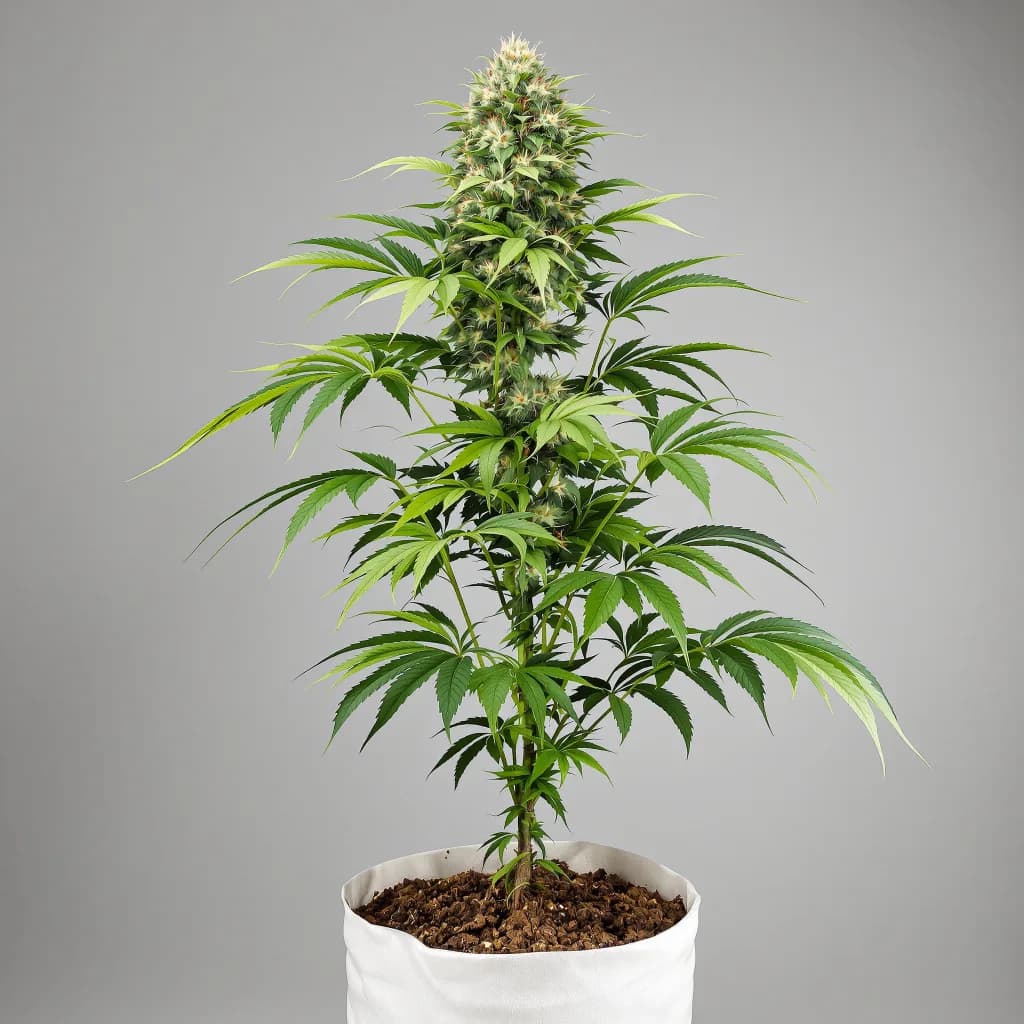
Remedy Feminised
Buy Remedy Feminised seeds in South Africa. Indica · 15% THC · relaxed, sleepy, happy. Every figure on this page is sourced, and every order ships unbranded.
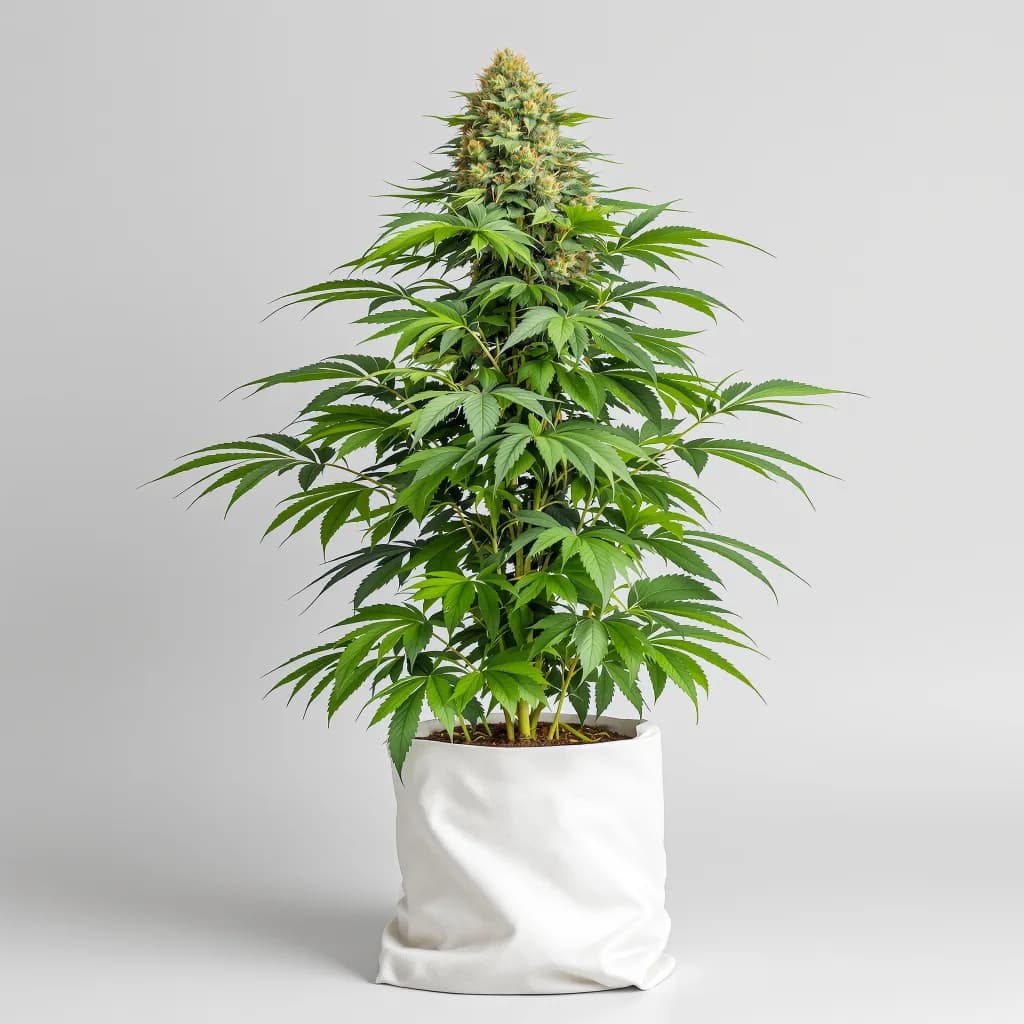
Quin-N-Tonic Auto
Buy Quin-N-Tonic Auto seeds in South Africa. Indica · 16% THC · relaxed, sleepy, happy. Every figure on this page is sourced, and every order ships unbranded.

Quin-N-Tonic Feminised
Quin-N-Tonic Feminised for South African growers — indica genetics at 16% THC, reported as relaxed, sleepy, happy. Sourced grow figures on the page, plain packaging, delivered nationwide.
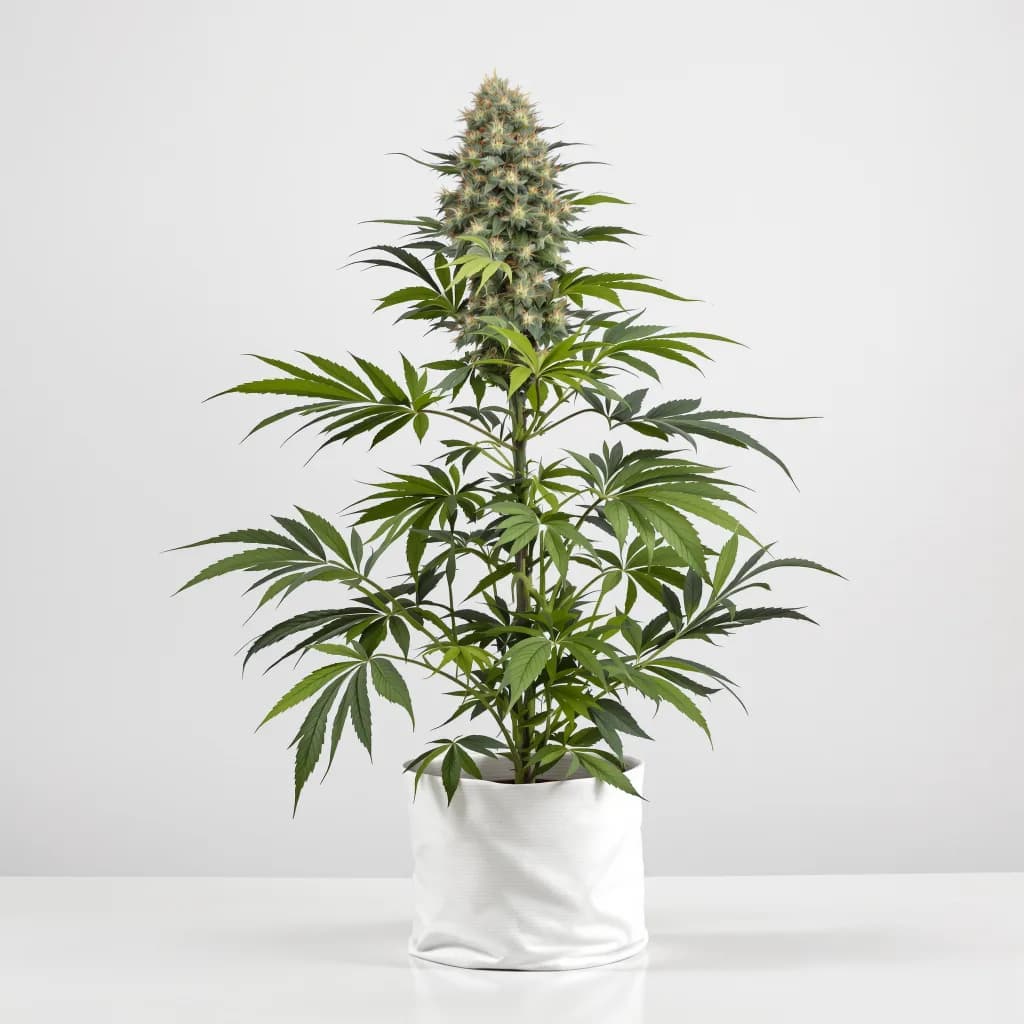
Bakerstreet Auto
Bakerstreet Auto for South African growers — indica genetics at 14% THC, reported as relaxed, sleepy, happy. Sourced grow figures on the page, plain packaging, delivered nationwide.
Remedy Auto — Breeder Information
Royal King GeneticsRecreated and stabilised by Royal King Genetics , the breeding team behind this catalogue. Seed lots are germination-tested before they ship. More on the breeding process and about page.
Five generations of Royal King Genetics autoflower stabilisation on Remedy. Auto trigger time, finish window and tight finish window all run uniform — no photo-hybrid surprises in the pack.
Reach auto trigger and finish-window uniformity for the Remedy pack.
Chosen for indica vigour, compact bud formation and a reliable finish window.
Royal King Genetics in-house breeder room — pollen taken from a generation-tracked sibling-male line.