Haze Sativa: What the Distinction Actually Predicts About Your Grow
Royal King Seeds Editorial Team
Cultivation and editorial team, Royal King Seeds South Africa
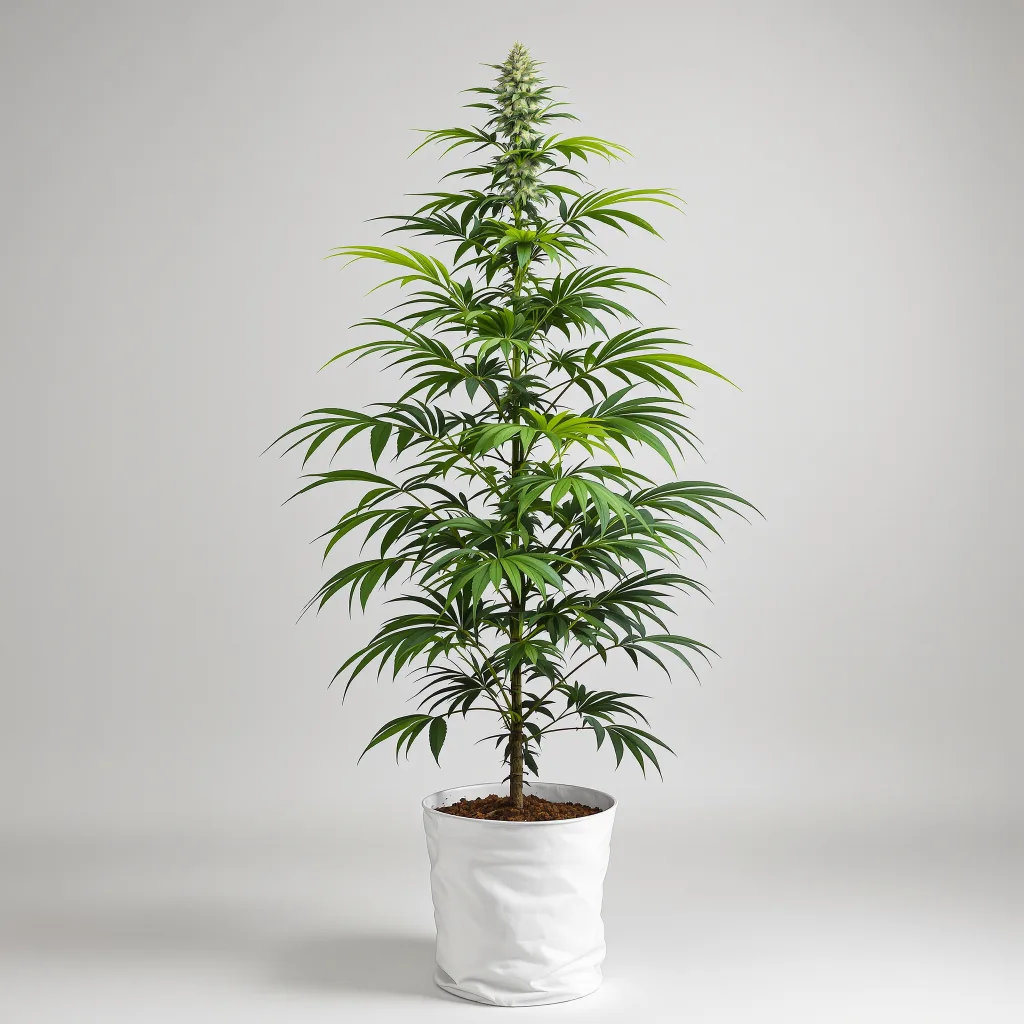
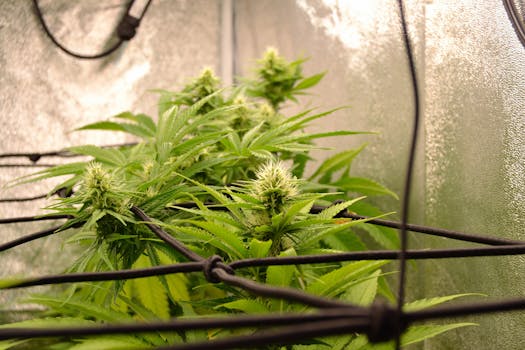
When a seed listing says "haze sativa", the reliable prediction is time. Haze-dominant plants flower long — commonly ten to fourteen weeks from the flip indoors, and often finishing weeks later outdoors than the indica-leaning plant in the next bag. They also stretch hard after the switch to flowering, frequently doubling or tripling their height, and they build airy, elongated flower clusters rather than tight golf balls. Everything else the label seems to promise — the reported effect, the terpene profile, the yield, the ease of the grow — it does not predict with any consistency. This applies to any grower, anywhere in South Africa, indoors or out.
Where the label matters most is the outdoor season. In the Highveld, where frost brackets the season at both ends, a fourteen-week haze planted in October may simply not finish. In frost-free KwaZulu-Natal it will, but it has to survive the humid summer to get there. The label is a scheduling fact before it is anything else.
Where the name comes from, and why that matters less than you think
The Haze line was assembled in California in the 1970s from equatorial sativa imports — Colombian, Mexican, Thai and South Indian material — and every modern "haze" descends from crosses of that work with shorter, faster stock. That is the whole of the history worth carrying into a grow tent.
What matters is the consequence: equatorial sativas evolved near the equator, where daylength barely changes across the year. They never developed a hard trigger to finish quickly, because there was never a frost date to beat. Fifty years of crossing has shortened many of them, so a "Haze" in 2024 might flower in nine weeks or in sixteen. The word on the packet tells you which family the plant belongs to. Only the breeder's flowering time tells you what you are actually committing to.
What haze sativa reliably predicts
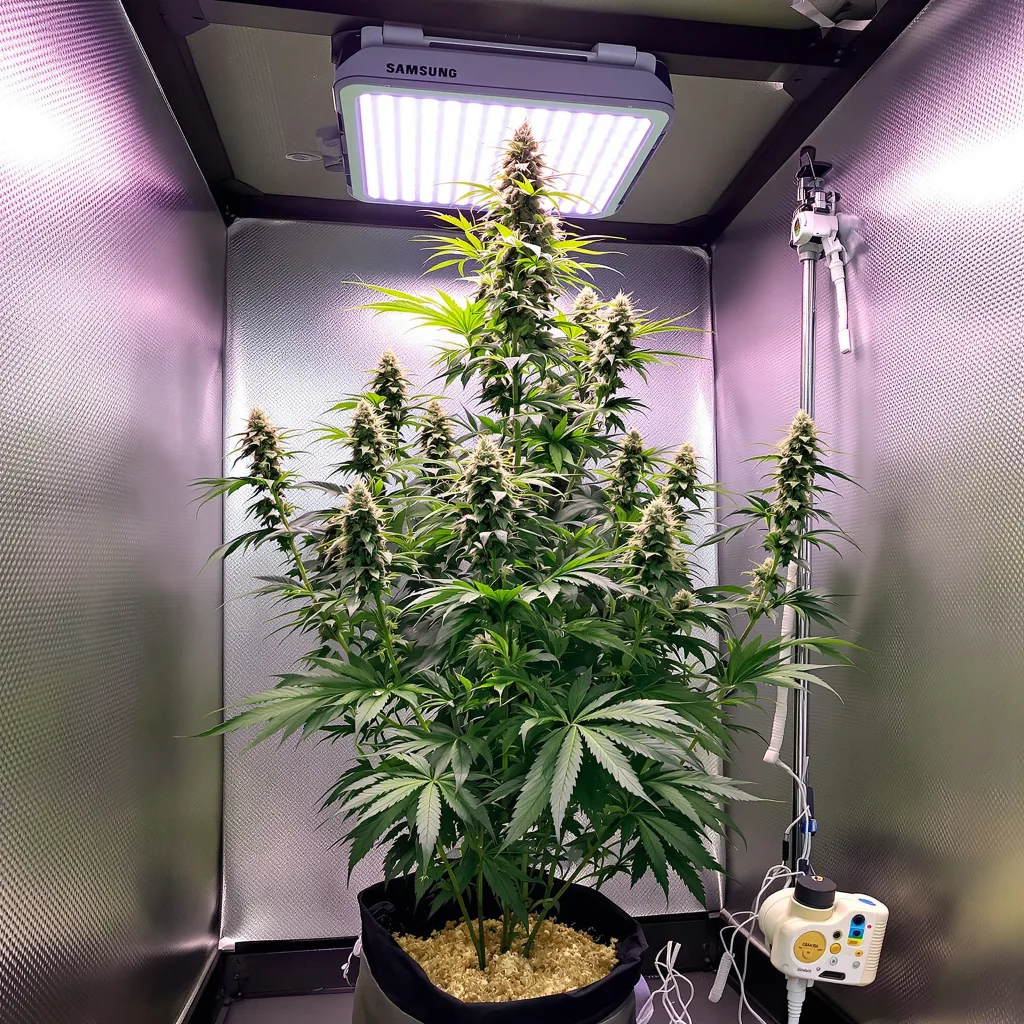
- Stretch. Expect substantial vertical growth in the two to three weeks after flowering begins. Indoors, that means flipping earlier than you would with an indica and planning your height budget backwards from the light.
- Long flowering. Longer than the indica average, though the exact figure varies by cross — check the breeder's stated flowering window before you buy, not after.
- Open flower structure. Loose, spear-shaped colas with air moving through them. This is the single most useful trait for South African outdoor growers in humid provinces.
- Node spacing and leaf shape. Longer gaps between branches, narrower leaflets. Useful for identifying what you actually have when a seed lot is mislabelled.
- Light appetite. Haze-leaning plants generally handle high light intensity without bleaching, which suits the strong ultraviolet light at 1 200 to 1 800 m on the Highveld.
What it does not predict — the useful half
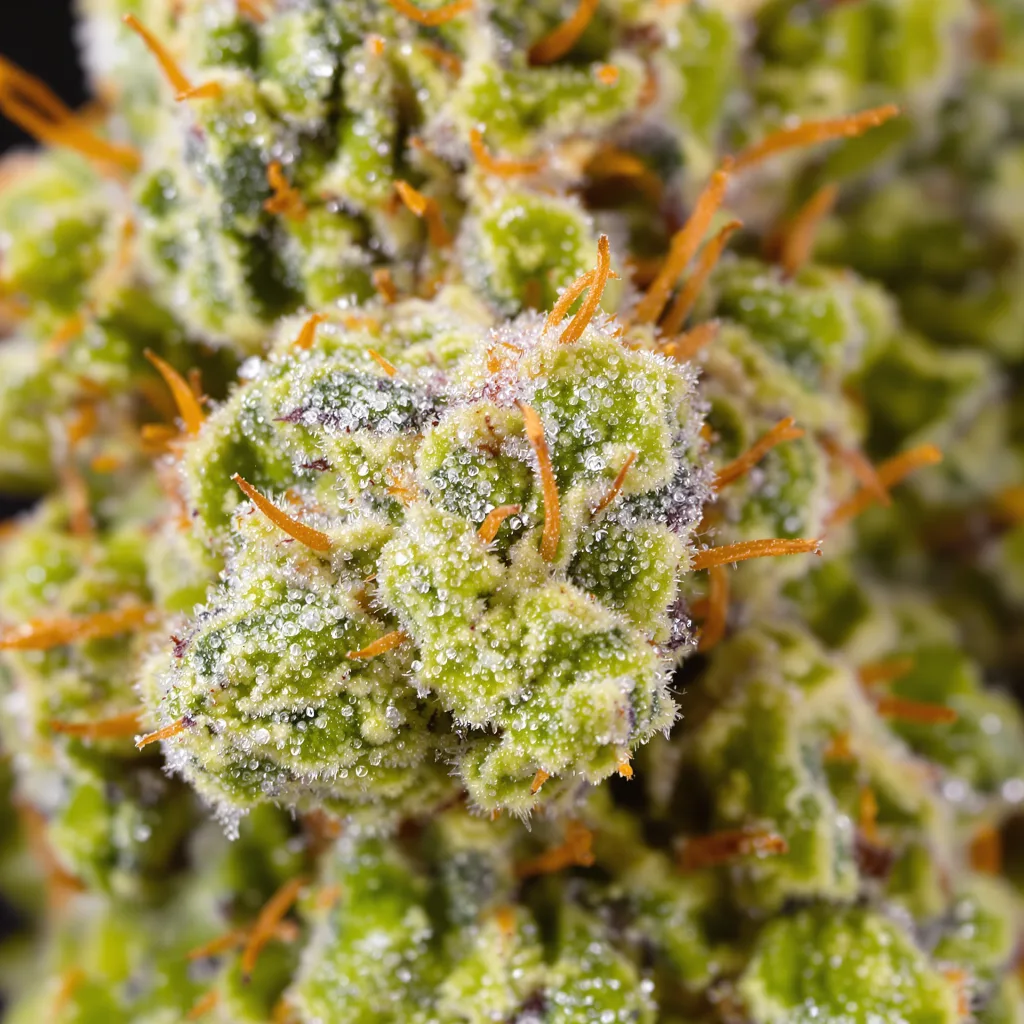
The label predicts almost nothing about how the flower will affect you. "Sativa" and "indica" are plant-structure terms that got borrowed as effect categories somewhere in the 1990s, and the borrowing was never accurate. Reported effects vary between phenotypes of the same cross, between two plants grown in the same tent, and between harvest at week eleven and harvest at week thirteen. Terpene content is shaped by genetics, temperature and when you cut — not by which of two words appears on the packet.
It does not predict yield either. Haze plants can be enormous outdoors and still return less per square metre indoors than a compact plant, because the airy structure that keeps mould out also means less flower mass per unit of stem. If total weight is the objective, choose from strains selected for yield and read the stated g/m² and g/plant figures rather than reasoning from the family name.
It does not predict difficulty in any single direction. Haze plants are generally forgiving of heat and hard light and unforgiving of a short season. A dense indica is the reverse. Neither is "easier" in the abstract — the question is which of those two constraints your site actually imposes.
And it does not predict THC content, which is a function of the specific cross and how the plant was grown.
| Trait | Does the label predict it? | What to check instead |
|---|---|---|
| Flowering length | Direction yes, figure no | Breeder's stated weeks for that cross |
| Stretch after the flip | Yes, reliably | Nothing — plan for it |
| Flower density | Yes, generally open | Grow reports for the specific cross |
| Reported effect | No | Terpene notes for the cross; expect variation |
| Yield | No | Stated g/m² indoors, g/plant outdoors |
| Mould resistance | Partly, via structure | Whether the cross was bred for humid conditions |
Where haze genetics earn their keep in South Africa
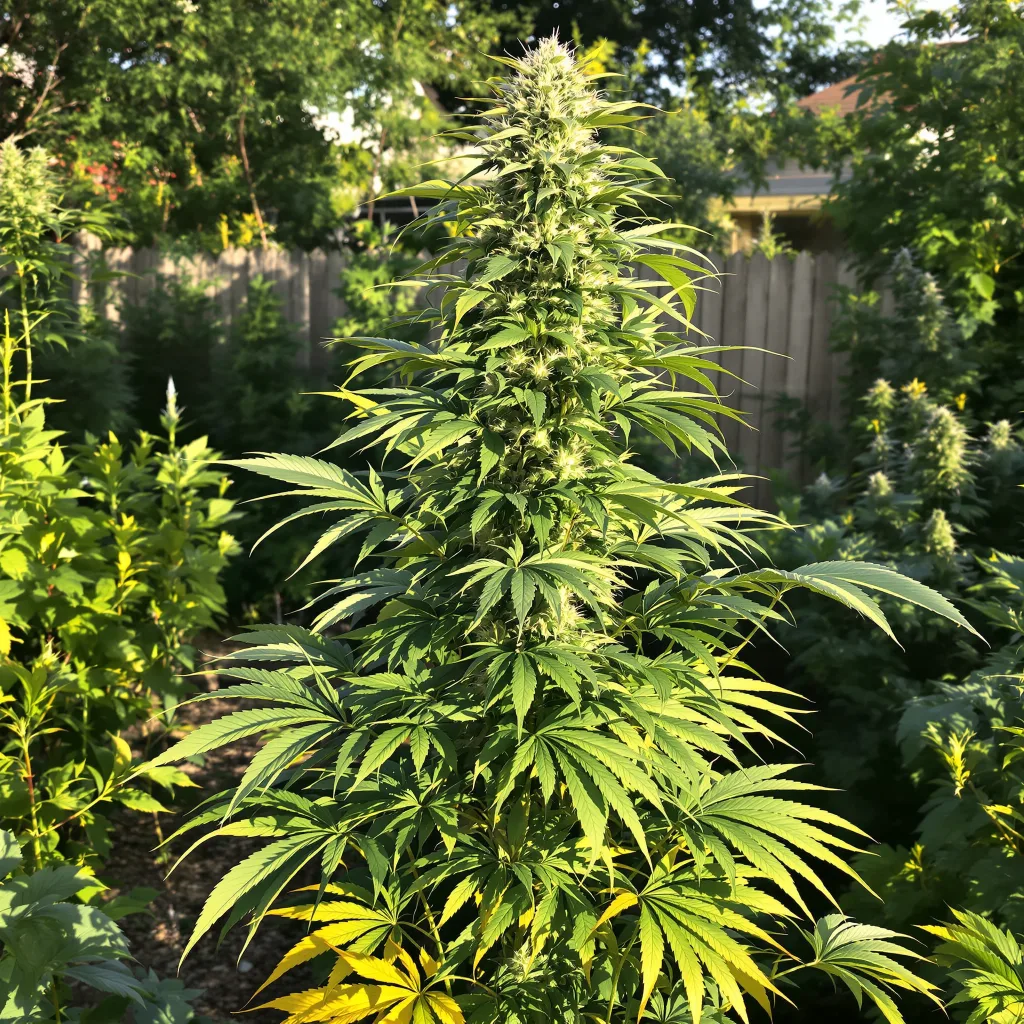
The open structure is worth real money in KwaZulu-Natal and the subtropical coast, where warm nights and high overnight humidity through the summer rainfall months make botrytis — grey bud rot — the main reason a crop is lost. Airy colas dry out between rain events; dense ones hold water in the core and turn to grey dust from the inside. Durban Poison is the local landrace that solves this problem, and it is sativa-leaning and open-structured for exactly that reason. Plant out September to November, harvest April to May, and choose from genetics selected for outdoor conditions rather than an indoor-bred dense cross.
In the Lowveld — Limpopo and Mpumalanga — heat tolerance is the argument. Frost is largely absent in the lowveld proper, so the long flowering time is affordable; midsummer heat stress and flowering-week humidity are the real threats, and haze-leaning plants generally cope better with sustained high temperatures than compact indicas. Shade cloth and airflow do more here than extra feed.
In the Western Cape, flowering happens in the dry half of the year, because the rain falls May to August. Mould resistance is not the deciding factor there — wind is. The south-easter runs hard through summer across the Peninsula and the Boland, and a tall haze with long internodes is exactly the shape that snaps. Stake early, and consider low-stress training to keep the plant wide rather than tall.
In the Northern Cape and the Karoo, light and heat are abundant and mould pressure is negligible, so a haze finishes well provided you irrigate. Water is the constraint, not humidity.
A worked example: the Highveld frost problem
Take a Gauteng grower on the Highveld. Last frost typically clears by late September to October, so plants go out in October. First frost arrives somewhere in late April or May depending on the year and the site — a low-lying garden frosts earlier than a north-facing slope. Call the usable window roughly six months.
An outdoor photoperiod plant in Gauteng starts flowering as daylength shortens after the December solstice, meaningfully from late January. A ten-week haze finishes early April, comfortably inside the window. A fourteen-week haze finishes in early May, straight into the frost risk and into the cold nights that stall ripening. That is the whole calculation, and it is why the flowering figure matters more than the family name.
Two ways out. Either choose a shorter-flowering haze cross and accept a slightly less stretched phenotype, or run autoflowering seeds, which flower on age rather than daylength and can be timed to finish inside any window you choose — including a second run started in December. Growers who want the long-flowering haze experience without the frost deadline generally move it indoors, where indoor-suited genetics and a controlled light schedule remove the calendar from the problem entirely.
Common questions
How long does a haze sativa take to flower?
Longer than the indica average, but the specific figure varies widely by cross — modern haze hybrids have been shortened considerably by breeding, while older haze lines run much longer. Always read the breeder's stated flowering window for that particular cross rather than assuming a number from the word "haze". For outdoor growing in South Africa, that stated figure is what determines whether the plant finishes before frost.
Is a sativa better than an indica for South African outdoor growing?
It depends entirely on the region. In humid, summer-rainfall areas such as the KwaZulu-Natal coast and the Lowveld, the open flower structure typical of sativa-leaning plants resists bud rot better than dense indica flowers. In the Western Cape, flowering happens in the dry half of the year, so mould matters less and wind resistance matters more — a shorter, sturdier plant has the advantage there. In the Highveld the deciding factor is neither: it is whether the plant finishes before the first frost.
Does "sativa" tell me how the flower will make me feel?
No. Sativa and indica describe plant structure — height, node spacing, leaf shape, flower density — not effect. Reported characteristics vary between individual plants of the same cross, and are influenced by the specific genetics, growing conditions and when the plant is harvested. Treat any effect described on a listing as a reported characteristic of that cross, not a guarantee.
Will a haze fit in my grow tent?
Plan for the plant to grow substantially taller after you switch to a 12/12 light schedule — haze-leaning plants commonly double or more in height during that stretch. Flip earlier than you would with a compact plant, and use training such as topping or a screen to spread the canopy sideways instead of upward. A haze that hits the light is a haze with bleached top colas.
Can I grow cannabis at home in South Africa?
On 18 September 2018 the Constitutional Court, in Minister of Justice and Constitutional Development v Prince, decriminalised the use, possession and cultivation of cannabis by an adult in private. The Cannabis for Private Purposes Act 7 of 2024 was signed into law on 28 May 2024 to give legislative effect to that judgment; different sections commence on dates fixed by the President, so not every provision is necessarily in force at the time of reading. The Act concerns private adult use and cultivation — commercial dealing in cannabis remains an offence, and the judgment did not legalise trade.
Nothing in either the judgment or the Act permits use by a person under 18, or use in public. This is general information and not legal advice; read the Act itself and speak to a qualified professional about your own position.
What to do with this
Before you buy anything labelled haze sativa, work out your own frost or rain deadline first, then match the stated flowering weeks to it — that single check prevents most of the disappointment this label causes. If your site has no hard deadline, as in the frost-free Lowveld or under lights, the long flowering time stops being a cost and the label becomes a straightforward description of a tall, airy, heat-tolerant plant. If you are unsure which family suits your province and season, work through the strain finder with your planting month in hand.
Ready to Start Growing?
Browse 1,677 cannabis seed varieties with discreet shipping to addresses in all nine provinces and our sourced grow figures.
Shop Cannabis Seeds