How to Roll a Blunt: A South African Grower's Guide
Royal King Seeds Editorial Team
Cultivation and editorial team, Royal King Seeds South Africa
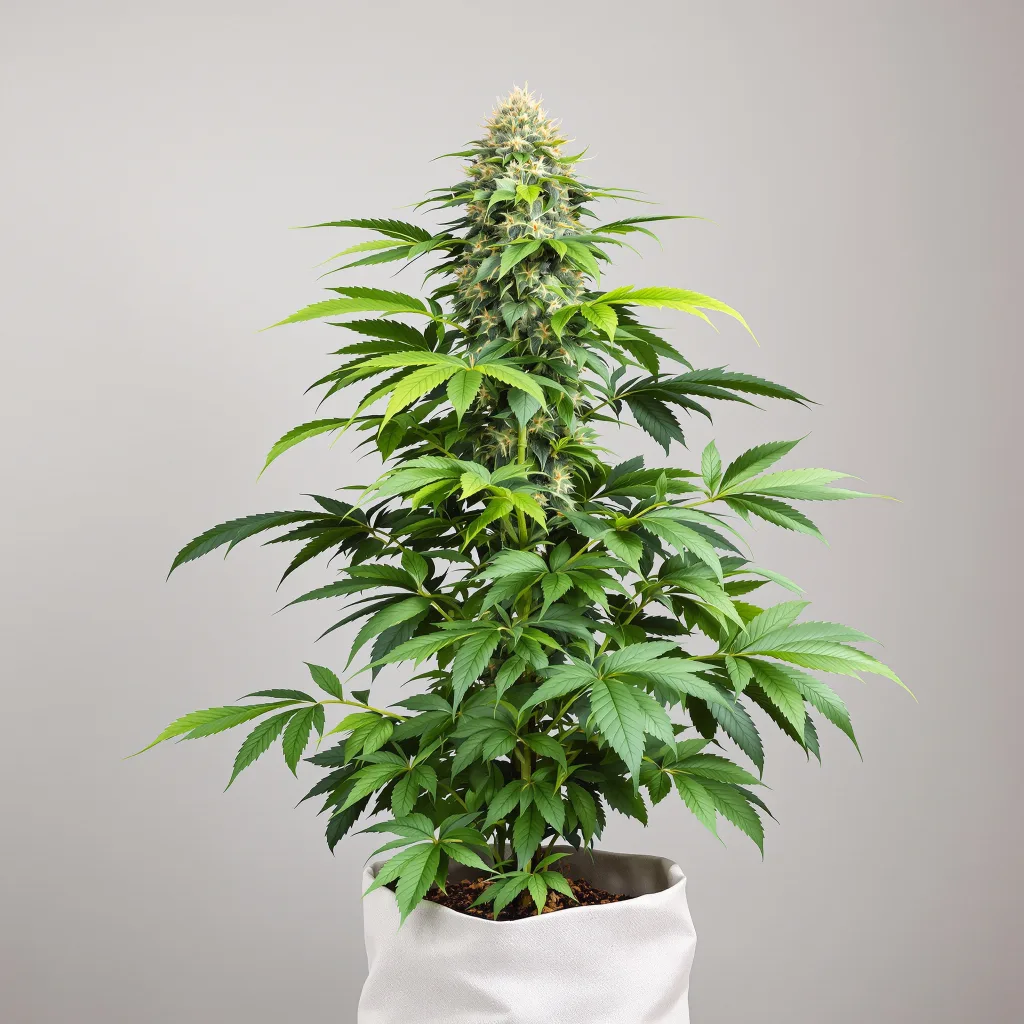
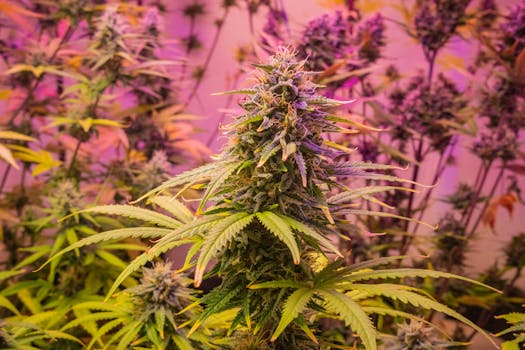
To roll a blunt: split a cigarillo or blunt wrap lengthwise along its seam, empty the tobacco if there is any, lightly moisten the leaf so it stops cracking, lay 1 to 2 grams of medium-ground bud in an even line down the trough, roll it back and forth to shape a cylinder, tuck the near edge under the bud, lick or wet the far edge and seal it, then run a lighter flame along the seam to dry it before you toast the tip. The whole thing takes about three minutes once your hands know it.
The part no overseas guide covers is moisture. A wrap behaves one way on the KwaZulu-Natal coast in February and a completely different way in Upington in July, and the same bud does too. This guide is written for adults rolling their own cannabis in private. On 18 September 2018 the Constitutional Court, in Minister of Justice and Constitutional Development v Prince, decriminalised the use, possession and cultivation of cannabis by an adult in private, and the Cannabis for Private Purposes Act 7 of 2024 was signed into law on 28 May 2024 to give legislative effect to that judgment, with different sections commencing on dates fixed by the President. Nothing in either permits use by a person under 18, or use in public. This is general information, not legal advice — read the Act yourself and speak to a qualified professional about your own position.
What you need on the table first
Assemble everything before you split anything, because a wrap left open on a dry Highveld afternoon stiffens while you go hunting for a grinder.
- A wrap — a cigarillo, a ready-made blunt wrap, or a hemp wrap.
- 1 to 2 grams of cured bud, depending on wrap length and how thick you like it.
- A grinder, or scissors and a small bowl if you have none.
- A blade or a steady thumbnail for the split.
- A small spray bottle or a damp cloth. Saliva works, but controlled misting beats a soaked wrap.
- A flat, clean surface. Rolling on your lap costs you the bud you drop.
Choosing a wrap, and what each one changes
The wrap decides how forgiving the roll is and how the blunt burns. A cigarillo is a tobacco-leaf cigar, so a blunt rolled in one contains tobacco and nicotine; a hemp wrap does not. That is a factual difference worth knowing before you choose, not a health claim either way.
| Wrap | Handling | Burn | Notes for South African conditions |
|---|---|---|---|
| Cigarillo (split and emptied) | Toughest leaf, most forgiving of a clumsy tuck | Slow and even, tobacco flavour throughout | Widely stocked at filling-station shops and bottle stores; contains tobacco |
| Ready-made blunt wrap | Pre-cut, no splitting, but tears if over-wet | Fast to light, flavoured versions mask the bud | Dries out quickly once the foil pouch is opened in dry inland air |
| Hemp wrap | Thin and stiff, least forgiving for a first attempt | Cleaner-tasting, burns faster than tobacco leaf | Cracks fastest in Karoo and winter Highveld dryness; mist it before you touch it |
| Two rolling papers joined | Easiest of all, but it is a fat joint, not a blunt | Quickest burn of the four | The fallback when nothing else is in the house |
Get the bud right before you roll anything
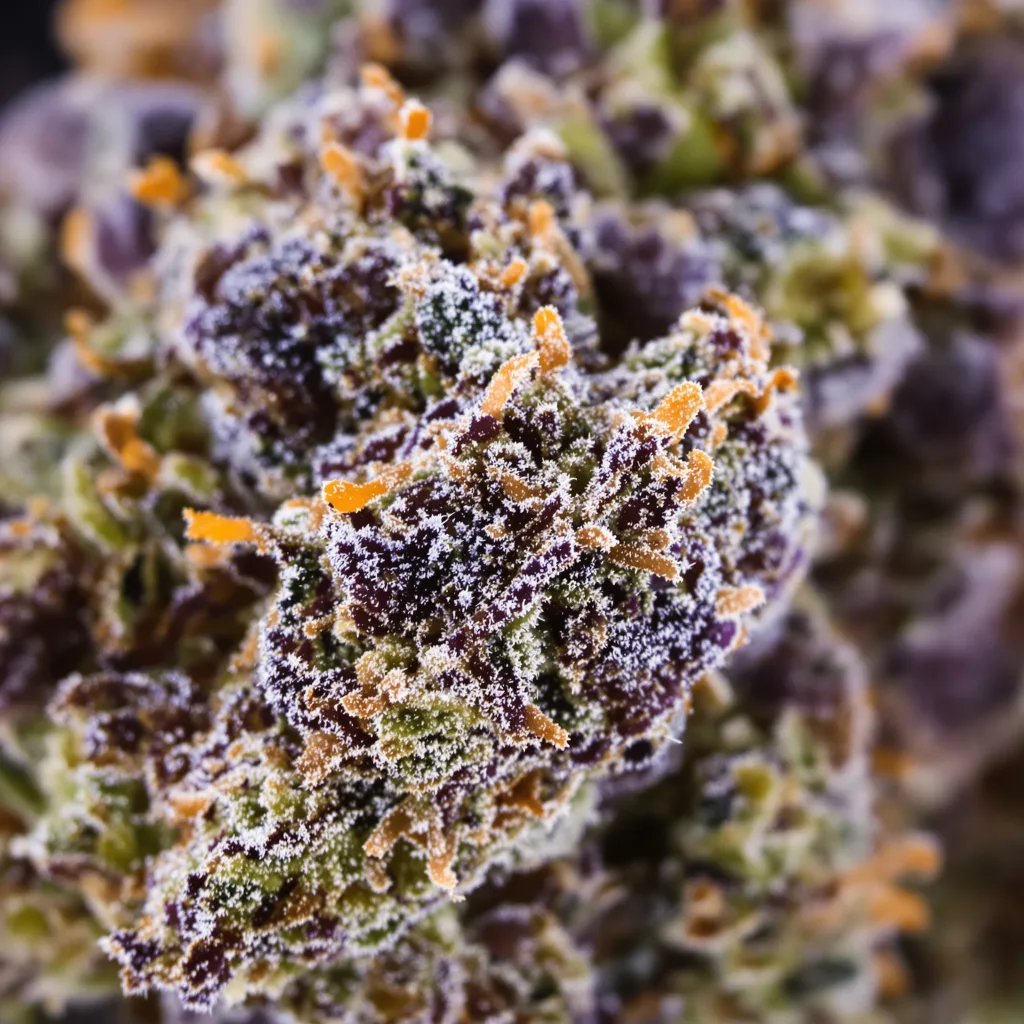
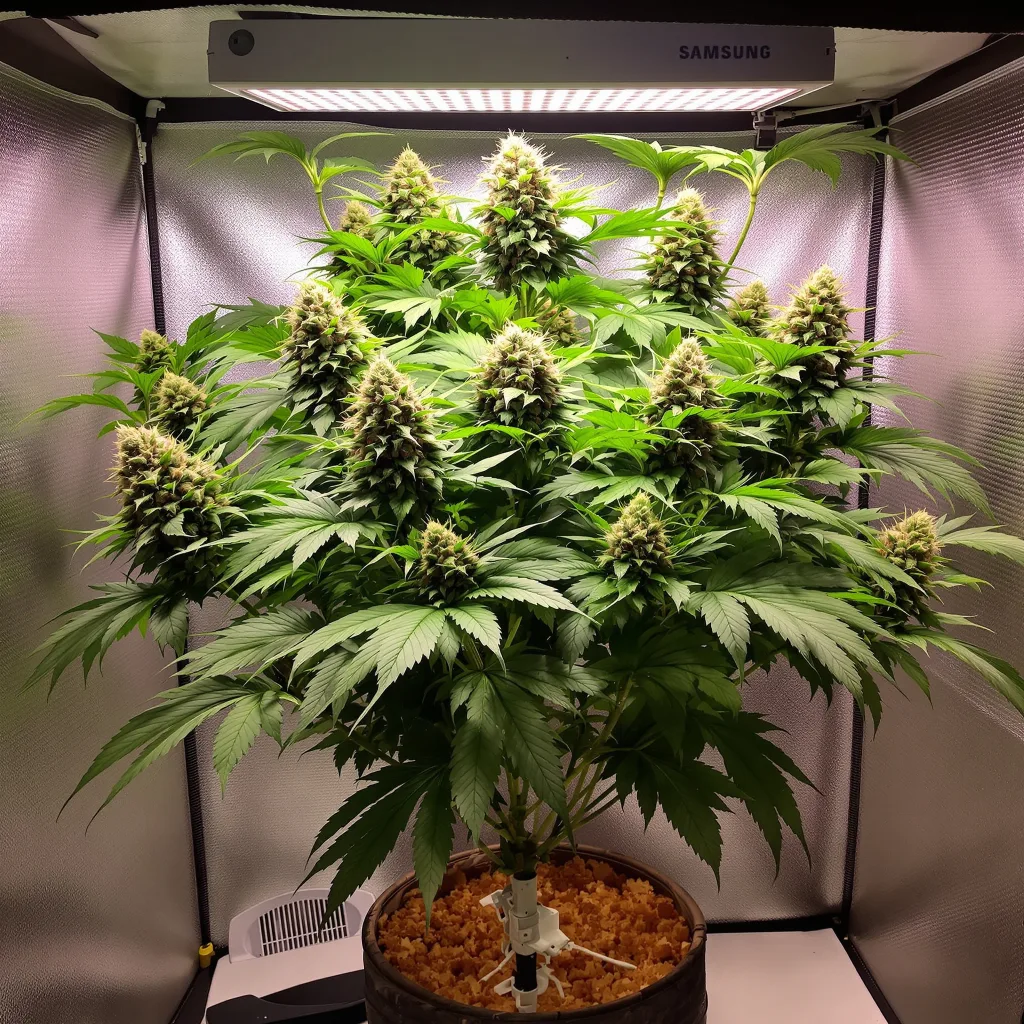
A blunt made from badly dried bud cannot be rescued by good rolling technique. Bud that went into the jar too wet will smoke sour and keep going out mid-blunt. Bud snapped dry in two days — common when a Gauteng or Free State grower rushes a late-March harvest ahead of the first frost — crumbles to dust in the grinder and burns hot and harsh.
What "done" looks like: a stem that snaps rather than folds, flower that compresses under your fingers and springs back part of the way, and a jar that smells of the plant rather than of hay or ammonia. Most growers store cured flower around 58 to 62 percent relative humidity, which is also the range where a blunt rolls and burns best. A cheap hygrometer in the jar removes the guesswork entirely.
Grind to a medium consistency — the texture of coarse ground black pepper. Too fine and the blunt draws like a blocked straw. Too coarse and you get air channels that make it burn down one side, which smokers call canoeing. Pick out stems and any seed; a seed pops and splits the wrap mid-smoke.
Rolling the blunt, step by step
1. Check the wrap is pliable. Bend it gently. If it creaks, mist it lightly and give it thirty seconds. Splitting a dry wrap tears it diagonally and the roll is over before it started.
2. Split it lengthwise along the existing seam. One straight cut from end to end with a blade, or a thumbnail run slowly down the glue line. Cutting across the grain, not along it, is the single most common ruined first attempt.
3. Empty the filler. Tip the tobacco out of a cigarillo into a bin and run a finger down the inside to clear the last of it. Leftover filler burns at a different rate to cannabis and makes the blunt run.
4. Flatten the leaf into a trough. Hold it open with both thumbs so it forms a shallow U. If the leaf wants to curl shut, it is too dry — mist, wait, try again.
5. Load the bud evenly end to end. Build a sausage of even thickness, slightly thinner at the end you will light. Lumping everything in the middle creates a fat waist that burns unevenly and splits the seam.
6. Shape before you tuck. Pinch the wrap closed around the bud and roll it back and forth between thumbs and forefingers, five or six passes. The shaping is what makes a blunt draw properly; skipping it is why a first blunt is always too loose at one end.
7. Tuck the near edge under the bud. Press the edge nearest you down and in, so it slides beneath the column of flower, and work along the length from one end to the other rather than tucking the whole thing at once.
8. Wet the far edge and seal. A light pass of saliva or a damp finger along the exposed edge, then roll it shut and press down along the seam, finishing one end at a time. Over-wetting is worse than under-wetting: a soaked seam tears when you press it.
9. Dry the seam with a flame. Run a lighter along the outside of the seam, 2 to 3 centimetres away, moving constantly. The glue sets, the leaf tightens onto the bud, and the blunt stops unravelling. A hairdryer on low does the same job more gently.
10. Toast the tip, then light. Rotate the end in the flame without drawing until it is evenly charred, then light while turning. An unevenly lit blunt canoes for its whole length and no amount of correction fully fixes it.
Why the same wrap behaves differently in Durban and in Upington
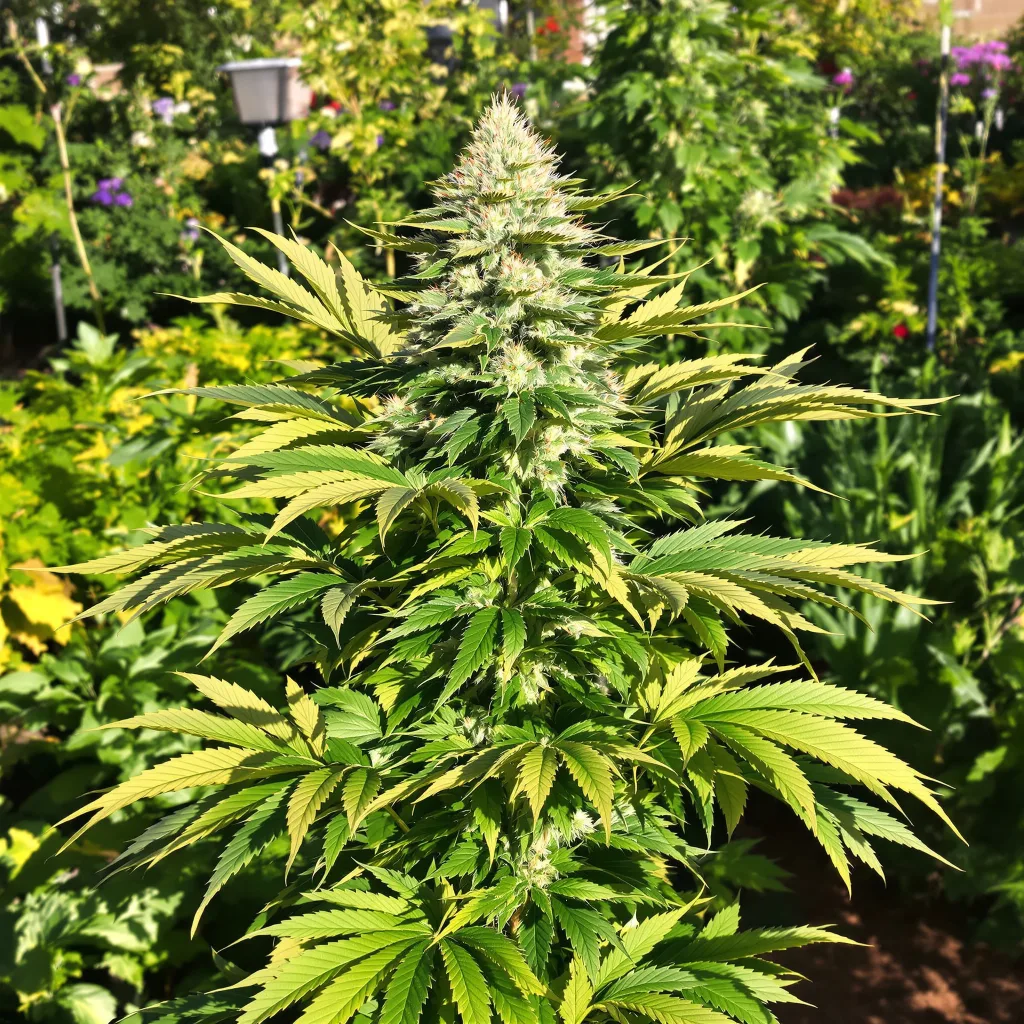
South Africa is not one climate, and a blunt is basically a humidity problem. On the KwaZulu-Natal coast and along the Garden Route, where there is no pronounced dry season, wraps stay pliable and rarely crack — but cured bud left out of the jar reabsorbs moisture within an hour and turns spongy. Spongy bud packs into a dense plug, burns at a crawl and keeps going out. Grind straight from the jar and roll immediately.
In the Northern Cape and the Karoo, and across the Highveld during the dry, frosty winter months of June to August, the opposite happens. Wraps go brittle in the packet, bud dries to powder, and the blunt burns through in a hurry while running down one side. Mist the wrap before splitting it, keep a humidity pack in the storage jar, and roll a touch looser than you think you should.
Western Cape summers from December to February are hot and dry, so the same inland rules apply there even though the province is better known for its winter rain. Lowveld summers in Limpopo and Mpumalanga sit closer to the KwaZulu-Natal pattern: humid flowering weeks and bud that needs a disciplined cure before it is worth rolling at all.
The mistakes that ruin each stage
- Splitting dry. Diagonal tears, every time. Mist first.
- Grinding too fine. The blunt will not draw and you will blame the roll.
- Uneven loading. Thick middle, thin ends, split seam.
- Skipping the shaping step. A tuck onto unshaped bud leaves hollow pockets.
- Drowning the seam. Tears the leaf and leaves a wet strip that will not burn.
- Lighting without toasting. Guarantees a canoe.
- Rolling uncured bud. Harsh, sour, and no technique hides it.
Where to start if this is your first one
Buy two cigarillos and expect to waste the first. Split, empty, shape, tuck, seal, dry the seam — that order, every time, until your fingers stop thinking about it. Switch to hemp wraps only once the tuck is automatic, because the thinner leaf punishes a hesitant hand. If you are smoking what you grew and it is consistently harsh or hard to keep alight, the problem is almost always the dry and cure rather than the roll, and the fix starts a season earlier with genetics suited to your province's flowering conditions.
Common questions
How much weed goes in a blunt?
Between 1 and 2 grams for a standard cigarillo-sized blunt, depending on how tightly you pack it and how long the wrap is. Smaller ready-made wraps take closer to 0.7 to 1 gram. Pack to an even thickness rather than to a target weight — an evenly loaded 1-gram blunt burns better than a lumpy 2-gram one.
Can you roll a blunt without tobacco?
Yes. Hemp wraps and some palm-leaf wraps contain no tobacco, so a blunt rolled in one contains no nicotine. They are thinner and stiffer than cigar leaf, so mist them before splitting and roll a little looser; they are less forgiving of a rushed tuck but behave the same once sealed.
Why does my blunt keep going out?
Three usual causes: the bud was too moist when you rolled it, you packed it too densely, or you never toasted the tip and it is burning unevenly. In humid areas such as the KwaZulu-Natal coast and the Garden Route, moisture is the likeliest culprit, because cured flower reabsorbs water from the air within about an hour of leaving the jar.
What can I use if I have no blunt wrap?
Two large rolling papers gummed together along one edge gives you a wide sheet that rolls the same way, though it burns faster than cigar leaf and is technically a joint. A corn-husk wrap works if you can find one. Avoid printed paper, newspaper or receipt paper — they are coated or inked and were never made to be burned and inhaled.
Does the strain change how a blunt smokes?
Flower structure does. Dense, tight-knit buds grind into a finer, pastier consistency that can choke the draw, while open, airy flower from sativa-leaning outdoor types grinds coarser and draws more freely. Cure quality matters more than either. If you are choosing what to grow with smoking texture in mind, feminised seed removes the males and gives you a whole crop of flower to work with.
Ready to Start Growing?
Browse 1,677 cannabis seed varieties with discreet shipping to addresses in all nine provinces and our sourced grow figures.
Shop Cannabis Seeds