Cloning Weed: What It Involves, and Why We Do Not Sell Clones
Royal King Seeds Editorial Team
Cultivation and editorial team, Royal King Seeds South Africa
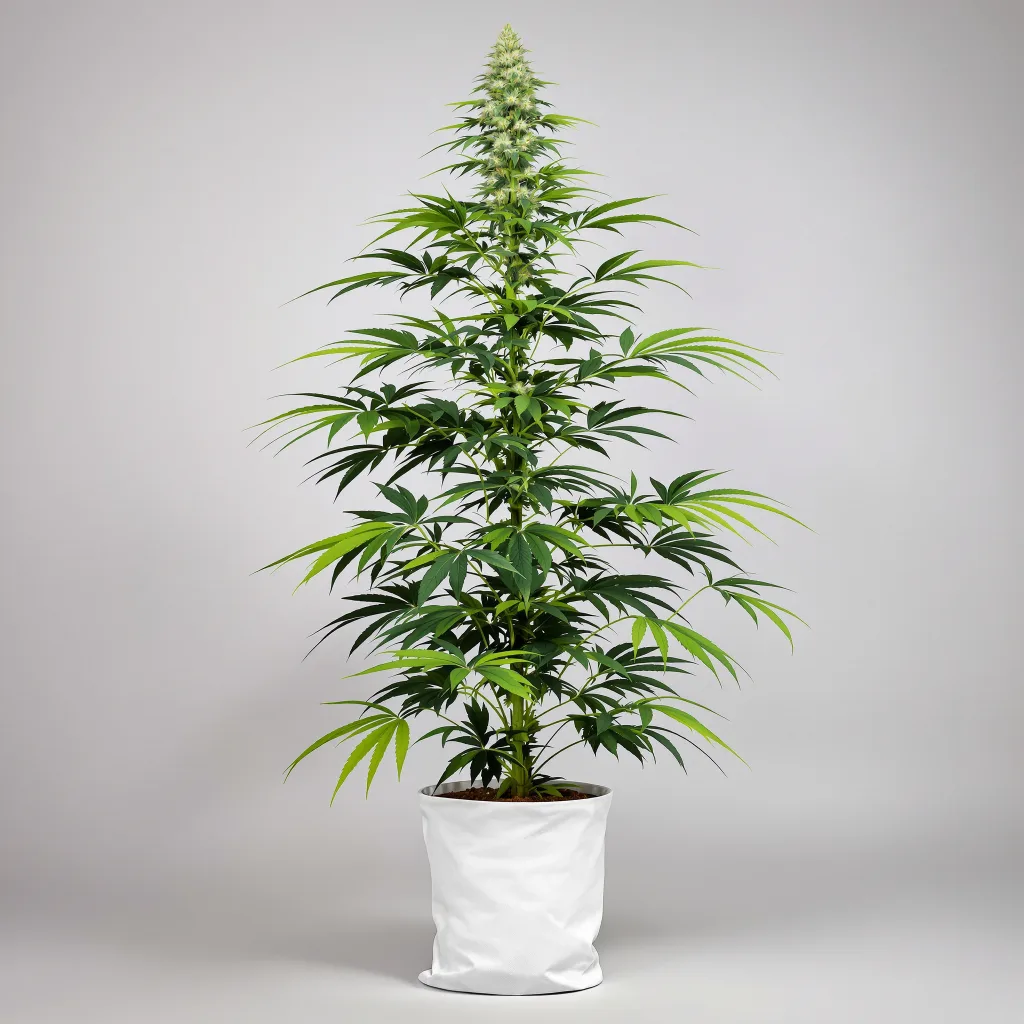
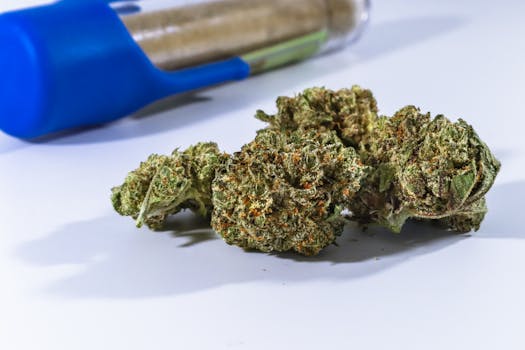
Cloning weed means cutting a growing shoot off a living cannabis plant, rooting that cutting in a moist medium, and growing it on as a genetically identical copy of the plant it came from. It is a propagation method, not a quality upgrade. A clone inherits the mother plant's sex, its cannabinoid and terpene potential, its internode spacing and its disease history — including any mould spores, thrips eggs or viroid already present in that mother's tissue.
We sell seeds and not clones because a cutting is a live plant that must survive handling, courier delays and a border, and because a cutting carries the mother's pests with it. Seeds do not.
This explainer applies to growers in all nine provinces, indoors and out. The timing notes are Southern Hemisphere: the outdoor season runs from planting in September to November through to harvest in March to May.
What cloning actually involves, step by step
The method is old and simple — gardeners have struck softwood cuttings for centuries, and cannabis responds the same way. What it means for a grower is a sequence with very little margin at the start.
- Select a mother. You need a vegetative female plant, ideally 6 to 8 weeks old, kept under 18 or more hours of light a day so it never begins to flower. A plant already in flower can be cut from, but the cutting has to revert to vegetative growth first, which takes weeks and often produces twisted, rounded leaves on the way back.
- Take the cutting. A shoot 10 to 15 cm long with two or three leaf nodes, cut at an angle with a blade sterilised between cuts. Lower growth tends to root faster than the top of the plant.
- Reduce the leaf area. Strip the lowest leaves and trim the remaining fans back. A cutting with no roots cannot replace the water it loses through a full canopy of leaf.
- Apply a rooting hormone — gel or powder — and set the cutting into rockwool, a peat plug or coir.
- Hold the environment. High humidity, around 20 to 25 °C at the root zone, and weak light. A propagator lid or a clear tub does the job.
- Wait. Roots usually appear at the cut in 7 to 21 days depending on the cultivar, the temperature and how fresh the cutting was. Some cultivars root in a week; stubborn ones take three and lose a proportion along the way.
None of this is difficult. It is simply fussy, and it requires you to already own a healthy female plant — which is the part that matters most for anyone weighing clones against seed.
What "clone" predicts, and what it does not
A clone predicts genetics and nothing else. The cutting carries the same DNA as its mother, so it will be female if the mother was female, and it will have the same ceiling for resin, terpene profile and flowering length. That is the whole of the guarantee.
What the label does not predict is longer:
- It does not predict the same plant. Identical genetics in different light, root volume, feed and night temperature produce visibly different plants. A cutting from a 400 g mother grown in a 25-litre pot in Limpopo sun will not match that mother in a 11-litre pot on a Gauteng balcony.
- It does not predict health. A clone inherits whatever the mother is carrying. Powdery mildew, spider mite, fungus gnats, broad mite and hop latent viroid all travel in cuttings. Viroid infection in particular shows no obvious symptom until flowering, when buds come in loose and low in scent.
- It does not predict vigour. Clones skip the taproot. A seed-grown plant anchors with a central root that drives deep; a clone makes a shallower fibrous mass. Outdoors in summer-rainfall provinces — Gauteng, Limpopo, Mpumalanga, North West, the Free State, KwaZulu-Natal and most of the Eastern Cape — that difference shows up in a January heat spell, when the seed plant reaches water the clone cannot.
- It does not predict stability over time. Mothers kept in vegetative growth for years accumulate stress and pathogen load. "Clone degradation" is usually a cumulative pest or viroid problem rather than genetics wearing out, but the result for the grower is the same.
- It does not tell you the plant was ever good. Anyone can clone anything. A cutting off a mediocre plant is a faithful copy of a mediocre plant.
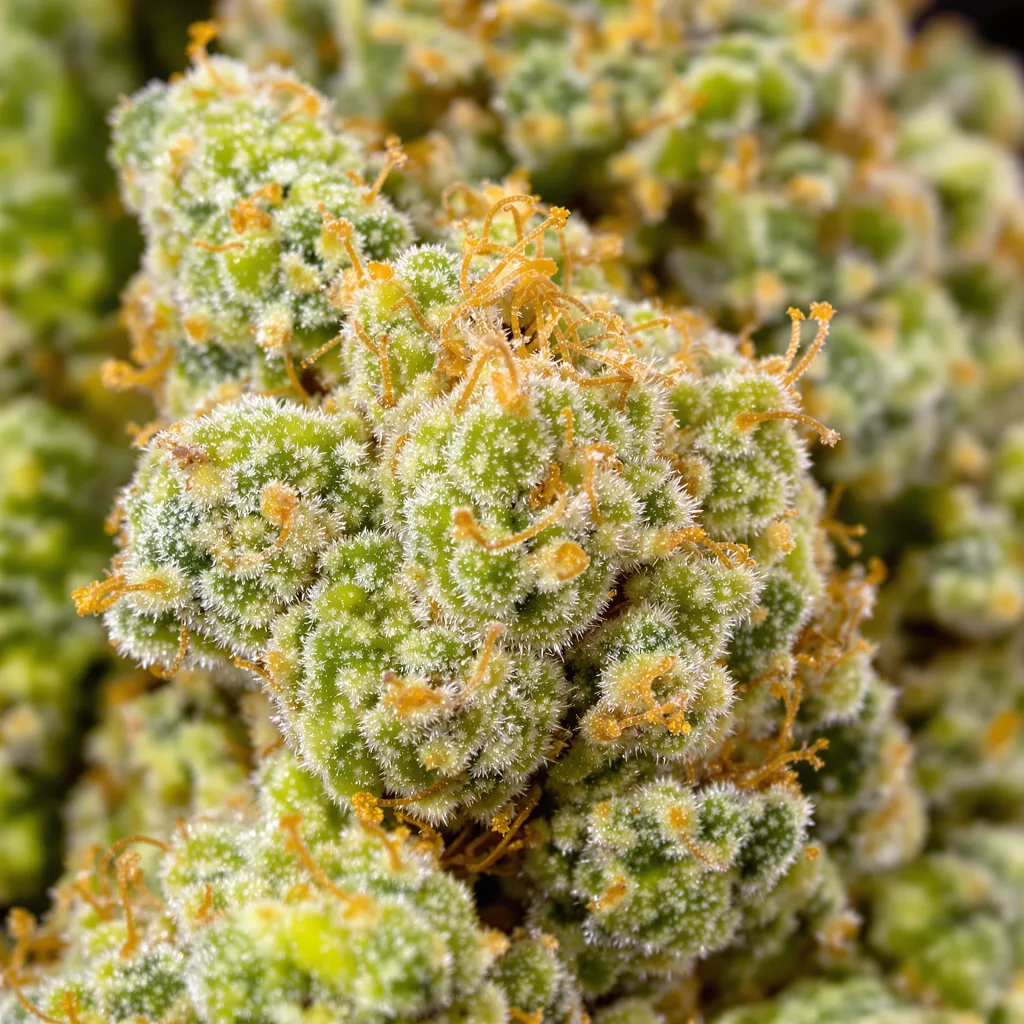
Clone versus seed for a South African grower
| Factor | Clone | Seed |
|---|---|---|
| Sex | Same as the mother — female if she was female | Feminised seed produces female plants; regular seed produces both sexes |
| Root system | Fibrous, shallower, no taproot | Taproot drives down, better drought anchoring outdoors |
| Pest and pathogen risk | Carries the mother's mites, mildew and any viroid | Starts clean; pests must arrive from your own environment |
| Time to harvest | Saves roughly 2 to 4 weeks of seedling growth | Adds that time at the start of the season |
| Uniformity | Every plant the same height and finish date | Some variation between individuals, even in one packet |
| Transport and storage | Live plant — needs light, water, no delays | Dormant, posts easily, keeps for years cool and dry |
The uniformity row is the honest argument for clones and the reason commercial indoor rooms use them: a bench where every plant finishes in the same week is far easier to manage. If that matters to you, the practical route is to grow from seed, select your best individual, and take cuttings off it yourself.
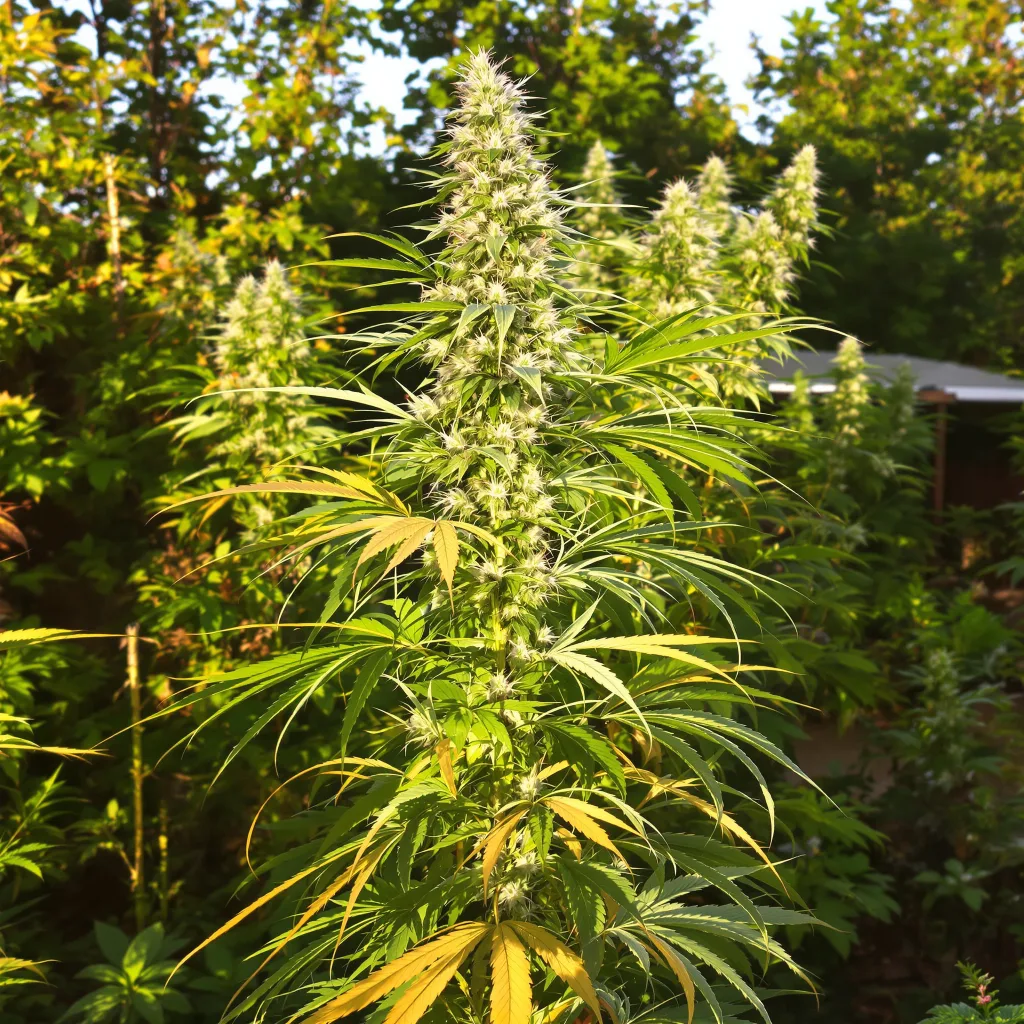
Why we sell seeds and not clones
A cutting is a living plant with no roots and no reserves. It wants humidity above 80 per cent, mild light and a stable root-zone temperature within a day or two of being taken. A courier box crossing from the Western Cape to Mpumalanga in a February heat wave does not supply any of that, and a delayed parcel means a dead box of stems. Seeds are dormant, survive the trip in any season, and will sit in a cool dark drawer until your planting window in September to November arrives. Our shipping information explains how orders are sent.
The second reason is sanitation. Shipping cuttings is a reliable way to move hop latent viroid, broad mite and powdery mildew from one grow room into another, and a grower who imports a clone into a clean room may not discover the problem until flowering. Seed does not carry those organisms.
The third is legal, and it is why we state only the facts. The Constitutional Court, in Minister of Justice and Constitutional Development v Prince, decriminalised the use, possession and cultivation of cannabis by an adult in private on 18 September 2018. The Cannabis for Private Purposes Act 7 of 2024 was signed into law on 28 May 2024 to give legislative effect to that judgment; different sections commence on dates fixed by the President, so not every provision is necessarily in force as you read this. The Act concerns private adult use and cultivation — commercial dealing in cannabis remains an offence, and the judgment did not legalise trade. Nothing in the judgment or the Act permits use by a person under 18, or use in public. This is general information and not legal advice; read the Act itself and speak to a qualified professional about your own position.
A worked example: one season, two routes
Say you are planting outdoors in Pretoria in early October for an autumn harvest.
Route one, seed. You germinate in the first week of October, and the seedlings spend three weeks establishing while the taproot pushes down. By mid-November the plants are in their final position with a root system that can chase moisture when the Highveld rain stops for ten days in January. You harvest from late March into April, depending on the cultivar's flowering length. You accept that two plants from the same packet may differ by 20 cm in height and a week in finish date.
Route two, clone. You source rooted cuttings from another grower in late October. The plants are already 20 cm tall, so you are roughly three weeks ahead and every plant is the same. In February you notice the buds setting loose and the smell is thin — a viroid the donor grower never knew he had. There is no treatment. The crop finishes, but light and weak, and every cutting you took off those plants for next season carries the same infection.
The clone route wins on time and loses on risk, and the risk is the one you cannot inspect for at the point of collection. If the three weeks matter that much, the faster answer is a shorter-cycle plant: autoflowering seeds run on age rather than daylength and compress the whole cycle instead of shaving off the start.
If you want clone-like uniformity, do this instead
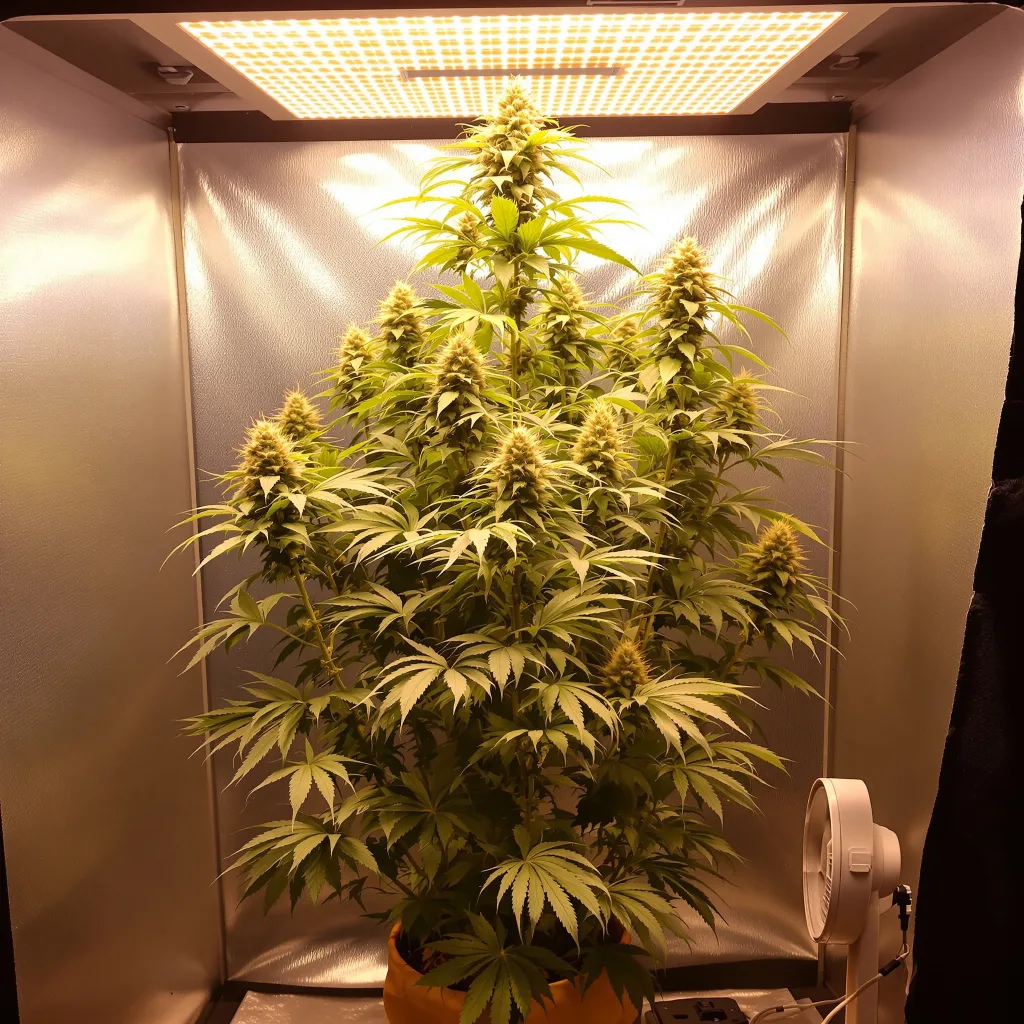
Grow a batch from feminised seed, which produces female plants, and keep notes through the first run: height at week four, how tightly the internodes stack, finish date, how the buds handle humidity in your area. Pick the individual that performed best in your conditions — not the one that looks best in a photograph from somewhere else — and keep it as a mother under 18 hours of light. Cuttings off that plant are clean because your room is the only place they have been, and the selection is matched to your climate rather than to a grower in another province.
That matters most on the coast. Along the southern and Garden Route coastal strip, where there is no pronounced dry season, the deciding trait is how a cultivar's buds handle humidity at the end of flowering, not yield on paper. In the Western Cape's winter-rainfall region the rain falls May to August, so flowering in March and April happens dry and a denser-budded plant is less of a gamble. Choosing from strains suited to outdoor growing by what your rainfall does during flowering is more useful than copying another grower's mother plant.
Common questions
Is it legal to clone a cannabis plant in South Africa?
The Constitutional Court decriminalised the use, possession and cultivation of cannabis by an adult in private on 18 September 2018, and the Cannabis for Private Purposes Act 7 of 2024 was signed into law on 28 May 2024 to give legislative effect to that judgment, with different sections commencing on dates fixed by the President. The Act concerns private adult use and cultivation; commercial dealing remains an offence and the judgment did not legalise trade.
Nothing in either permits use by a person under 18 or in public. This is general information, not legal advice — read the Act and consult a qualified professional about your own situation.
How long does a cannabis cutting take to root?
Most cannabis cuttings show roots in 7 to 21 days. The spread depends on the cultivar, the root-zone temperature (around 20 to 25 °C suits most), humidity high enough that the leaf does not dry out, and how quickly the cutting went into the medium after being cut. Indica-leaning plants often root at the faster end; long-flowering sativa types frequently take the full three weeks and lose a higher proportion of cuttings.
Do clones yield less than plants grown from seed?
Not inherently — the genetics are identical, so the ceiling is the same. Outdoors, though, a seed-grown plant has a taproot and a clone does not, so in summer-rainfall provinces where a dry gap can open in January, the seed plant often reaches water the clone cannot and finishes heavier. Indoors in pots under controlled irrigation that difference largely disappears, which is why commercial indoor rooms use cuttings without a yield penalty.
Can you clone an autoflowering plant?
Technically yes, practically no. An autoflower runs on age, not on daylength, so a cutting taken from one is already the same age as its mother and will begin flowering almost immediately on a tiny frame. You get a rooted stem that produces a few grams. If you want the short cycle of an autoflower you have to start each one from seed, which is one reason choosing the right cultivar at the start matters more with autos than with photoperiod plants.
What is hop latent viroid and why does it matter for clones?
Hop latent viroid is an infectious agent that spreads through plant sap — on blades, hands and in cuttings — and it often shows no clear symptom during vegetative growth. Growers typically notice it in flower as loose, undersized buds with weak aroma on plants that should have produced more. There is no treatment for an infected plant. Because cuttings carry the mother's tissue, a single infected donor can pass it to every clone taken from it, which is the main sanitation argument for starting from seed.
Start from seed, select your own best plant in your own conditions, and take cuttings off it if you want a uniform bench next season. That advice changes only if you already run a clean, closed room with pest controls you trust and a donor plant whose history you personally know — in which case cloning saves you two to four weeks per cycle. If you are choosing what to select from, begin with cultivars suited to indoor rooms where you control the environment that a mother plant needs.
Related Articles
Mouldy Weed: Why a Damp South African Autumn Is When It Takes Hold, and the Plant Traits That Resist It
Growing GuidesOutdoor Weed in South Africa: Working Back From Your Local Frost Date
Growing GuidesMale Weed Plant: What the Label Controls and What It Does Not
Growing GuidesStages of Growing Weed: a South African Grower's Guide
Ready to Start Growing?
Browse 1,677 cannabis seed varieties with discreet shipping to addresses in all nine provinces and our sourced grow figures.
Shop Cannabis Seeds