Mouldy Weed: Why a Damp South African Autumn Is When It Takes Hold, and the Plant Traits That Resist It
Royal King Seeds Editorial Team
Cultivation and editorial team, Royal King Seeds South Africa
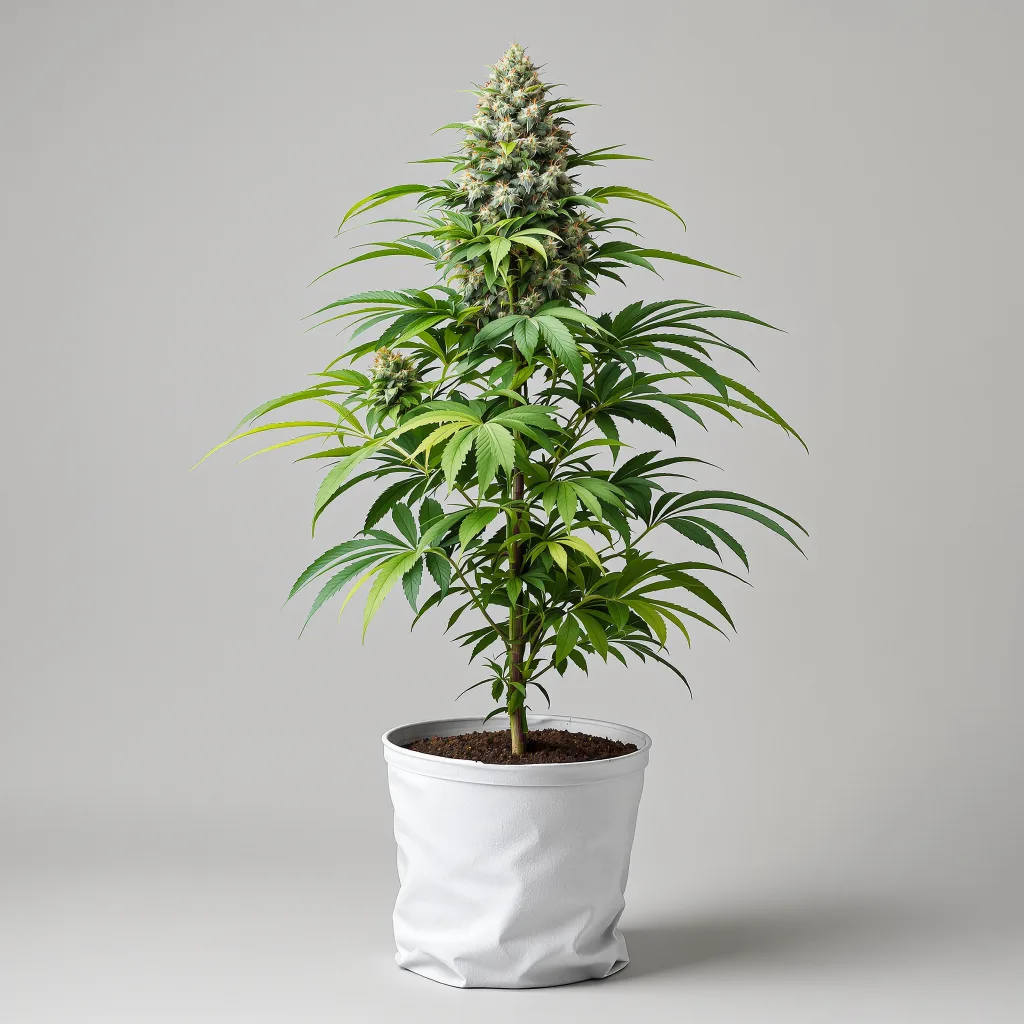

If you have pulled apart a bud and found grey-brown fuzz, powdery dust, or a core that has gone the colour of wet cardboard, that is botrytis cinerea — grey mould, usually called bud rot. It is not reversible. The infected material is finished and nothing you spray, feed or dry will bring it back; the only useful action is removing it immediately, well below the visible damage, before the spores shake loose onto the rest of the plant. The rot runs inside the flower from the stem outwards, so by the time the surface looks wrong, the inside is already gone. Everything below is about telling it apart from look-alikes, saving what is still clean, and choosing differently next season.
This applies most sharply to growers finishing outdoors between March and May in the summer-rainfall provinces — KwaZulu-Natal, Mpumalanga, Limpopo, Gauteng, the Free State, North West and the eastern Eastern Cape. It applies far less in the Western Cape, where the rain falls May to August and flowering happens in the dry half of the year, and barely at all in the Northern Cape, where the problem is drought rather than damp.
Identify it first: what bud rot actually looks like
Open a suspect site rather than judging from the outside. Pinch the flower where it meets the stem and pull it apart gently.
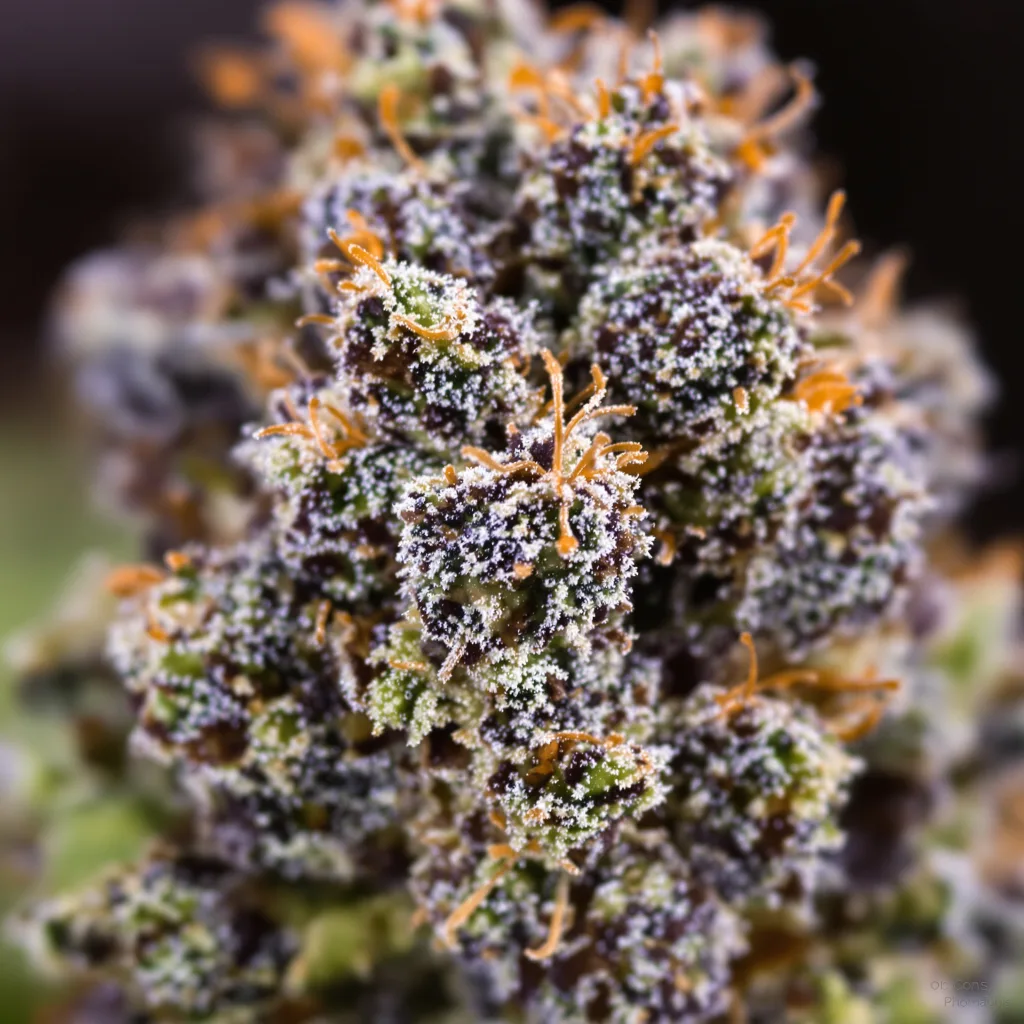
- Grey or grey-brown fluff inside the bud, sometimes with a faint purple or blue tint, clinging to the inner stem. That is botrytis.
- A stem core that has gone brown, soft or hollow, and snaps or crumbles rather than bending. The rot starts there.
- A single fan leaf in the middle of a dense cola that has died back while its neighbours are green. A leaf dying from the inside of a flower outward is the earliest visible sign, and it shows days before the surface does.
- A smell of wet soil, mushroom or old hay through the resin smell.
- Dry, dusty material that disintegrates when touched — late-stage rot, where the flower has already been consumed.
Check the fattest colas first, and the ones closest to the soil. Density and still air are what botrytis needs, so the biggest flower on the plant is usually the first casualty.
What it is not: the four things growers mistake for mould
Misdiagnosis costs a harvest in both directions — people cut healthy plants down early, and people leave real rot in place for another week.
Powdery mildew sits on the outside, on fan leaves and sugar leaves, as a white flour-like coating that wipes off on your finger. Botrytis sits inside the flower and does not wipe off. Powdery mildew is a leaf-surface problem and you may still get usable flower off a plant that has it, provided the buds themselves are clean. Bud rot is the opposite: the leaves can look fine while the cola is already destroyed.
Dead pistils. The hairs browning and curling inward as flowers mature is ripening, not disease. Browning pistils with firm, green, resinous calyxes underneath are normal. Browning pistils over a soft brown core are not.
Caterpillar damage. Bollworm bores into a cola, leaves dark frass that looks like coarse coffee grounds, and hollows a tunnel. It also opens the wound that botrytis walks into, which is why the two are so often found together. Frass is granular; botrytis is woolly.
Trichome amber and purple colour. Cold Highveld nights in March and April bring anthocyanin colour out in some genetics. Purple is a pigment and feels firm; rot feels soft.
| Sign | Where it appears | Likely cause | Can the flower be used |
|---|---|---|---|
| Grey fluff, soft brown core | Inside the densest buds | Botrytis (bud rot) | No — cut out and discard |
| White powder that wipes off | Leaf surfaces, upper canopy | Powdery mildew | Only if buds themselves are clean |
| Granular dark debris, hollow tunnel | Through the centre of a cola | Bollworm caterpillar | Partly — remove damaged material |
| Brown curled hairs, firm calyxes | Across the whole flower | Normal ripening | Yes |
| Yellowing lower fan leaves | Bottom of the plant | Late-flower nitrogen draw-down | Yes |
What to do in the next hour, and what is already lost
Work in dry conditions, ideally late morning after dew has burnt off, and do not shake the plant. Spores travel on movement.
- Cut at least 10 cm back into clean stem below any visible rot. Botrytis runs further down the branch than the damage shows.
- Bag the infected material where you cut it — a plastic bag held under the cut — and remove it from the grow area. Do not compost it near plants.
- Sanitise your secateurs between cuts with isopropyl alcohol. Cutting clean flower with contaminated blades spreads the infection by hand.
- Re-inspect every 24 hours for a week. One inspection is not enough; in humid KwaZulu-Natal autumn weather a cola can go from clean to lost in two warm, wet days.
What cannot be saved: any flower with grey fluff in it, any cola with a soft stem core, and any material that has already dried out and crumbled. Trimming the visible rot off a bud and keeping the rest does not work — the mycelium is through the tissue before it is visible. Rot that has reached the main stem means that branch, and sometimes the plant, is done.
The harder call is whether to harvest the whole plant early. If rot is appearing in more than one site, rain is forecast, and the trichomes are mostly cloudy, taking the plant a week early costs you some potency and weight but saves the harvest. If a single isolated site is involved and the forecast is dry, cut that site and carry on.
Why March to May is the dangerous window, and where it is not
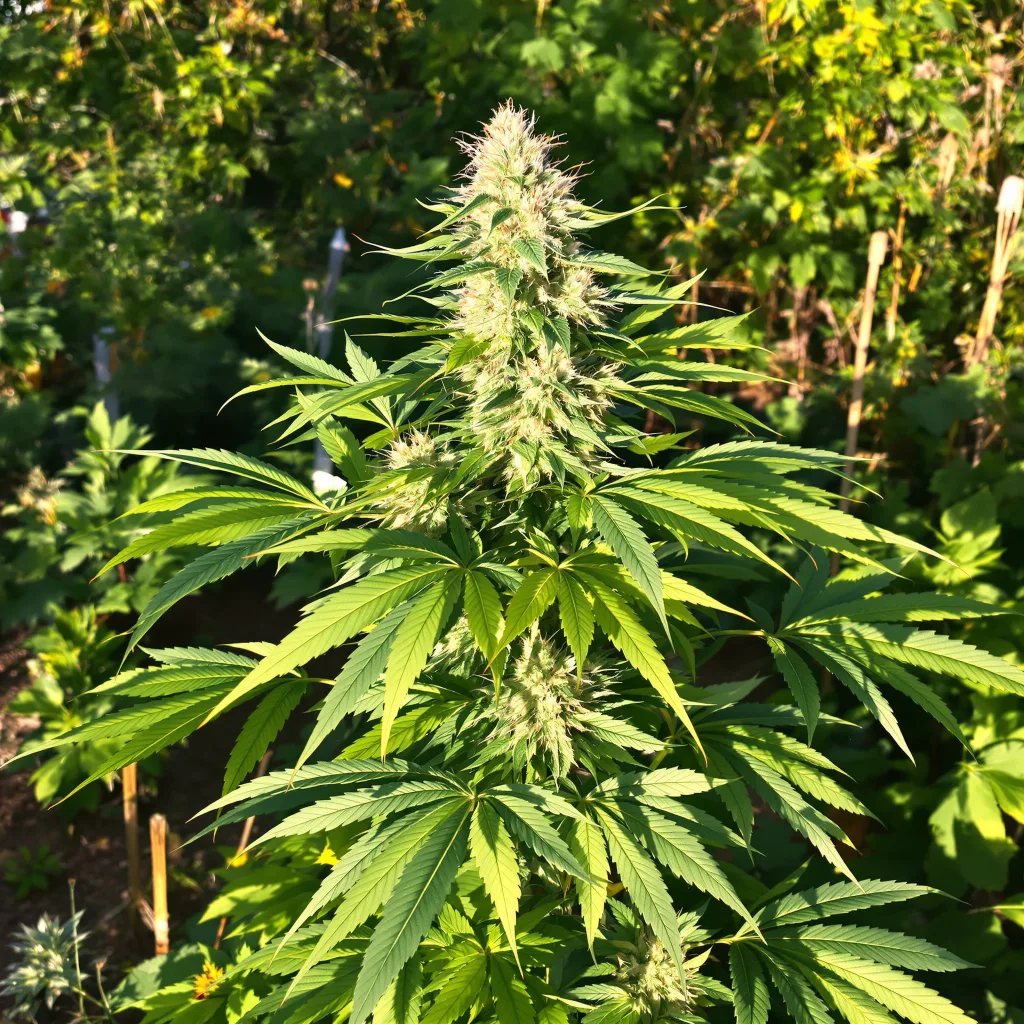
Botrytis needs sustained humidity above roughly 60 per cent, still air, and moderate temperatures. The flowering weeks for most outdoor South African growers fall in exactly those conditions, but not in every province, and this is where imported advice misleads people.
In the summer-rainfall region — most of the country — rain falls October to March and overlaps the entire flowering period. In KwaZulu-Natal and the subtropical coast, warm nights with overnight humidity near saturation make this the hardest place in the country to finish a dense flower, which is the reason the Durban Poison landrace evolved open and airy. On the Highveld, afternoon thunderstorms from November to March soak the canopy, and plants that hold water in a tight cola overnight are at risk; the compensation is dry, cold air in late April.
In the Western Cape, rain falls May to August, so a plant harvested in March or April flowers through a dry, windy summer and mould pressure is low — wind damage is the real concern there. On the Garden Route and southern coast there is no pronounced dry season, so the risk is constant rather than seasonal, and covered growing removes most of the uncertainty. In the Northern Cape and Karoo, humidity is too low for botrytis to establish; the constraint there is water.
The plant traits that actually resist mould
Resistance is structural, not chemical. What you are selecting for is a flower that dries out between rain events.
- Open, spear-shaped flowers rather than dense golf balls. Sativa-leaning structure allows air through the cola. Dense indica-dominant flowers hold water at the core for hours after the surface has dried.
- Long internode spacing. Gaps between bud sites mean a wet flower is not touching three others.
- A thin sugar-leaf layer. Heavy leaf inside the bud traps moisture against the calyxes.
- Early finishing. A plant that is cut in mid-March has fewer exposed days than one still flowering in May. Finishing date beats every other trait in a wet year.
- Vigorous stretch and a tall, thin frame, which keeps flowers off the moist air layer near the soil.
The trade-off is honest: the airy, resistant structure usually weighs less per plant than a compact one. If you have been shopping the highest-yielding genetics available and growing them uncovered in KwaZulu-Natal, the density that produces the weight is the same density that rots. For humid provinces, start from genetics selected for outdoor conditions rather than from yield figures.
The other structural answer is timing. Autoflowering plants run on age rather than daylength, so a plant started in September can be finished in December, and a second run can be timed to miss the wettest weeks entirely. That flexibility is worth more in Mpumalanga or coastal KwaZulu-Natal than any single resistance trait. Be aware that indica-leaning autos still carry dense flower structure — the escape is the calendar, not the bud.
Common questions
Can I smoke weed that had mould on it if I cut the bad part off?
No. Botrytis mycelium spreads through flower tissue before it becomes visible, so the apparently clean material next to a rotten site is usually already colonised. Discard affected flower rather than trimming around it. This is general growing information and not medical advice.
Does rain itself cause bud rot?
Rain is the trigger, not the cause — the cause is flower tissue staying wet. A plant that is soaked and then dries in two hours of sun and breeze is usually fine. A plant that is soaked at 16:00 and still damp at 09:00 the next morning, which is typical of humid autumn nights in KwaZulu-Natal and along the Garden Route, is where botrytis establishes. Shaking water off colas after a storm and improving airflow around the plant matters more than keeping rain off entirely.
How do I stop mould appearing during drying?
Dry in a dark space with steady air movement and humidity around 55 to 60 per cent, and hang branches with space between them rather than crowded. Autumn drying is riskier in the summer-rainfall provinces than in the Western Cape, where April air is dry. If a jar smells of ammonia or mushroom during curing, open it, inspect, and do not reseal mouldy material with clean flower.
Which South African provinces have the lowest mould risk for outdoor growing?
The Western Cape and the Northern Cape. Western Cape rain falls May to August, so a crop planted September to October and harvested March to April flowers through a dry summer. The Northern Cape and Karoo are too arid for botrytis to establish, though nothing finishes there without irrigation. The highest risk is coastal KwaZulu-Natal, followed by the Mpumalanga escarpment and the Garden Route coast.
Will a greenhouse or shade cloth solve it?
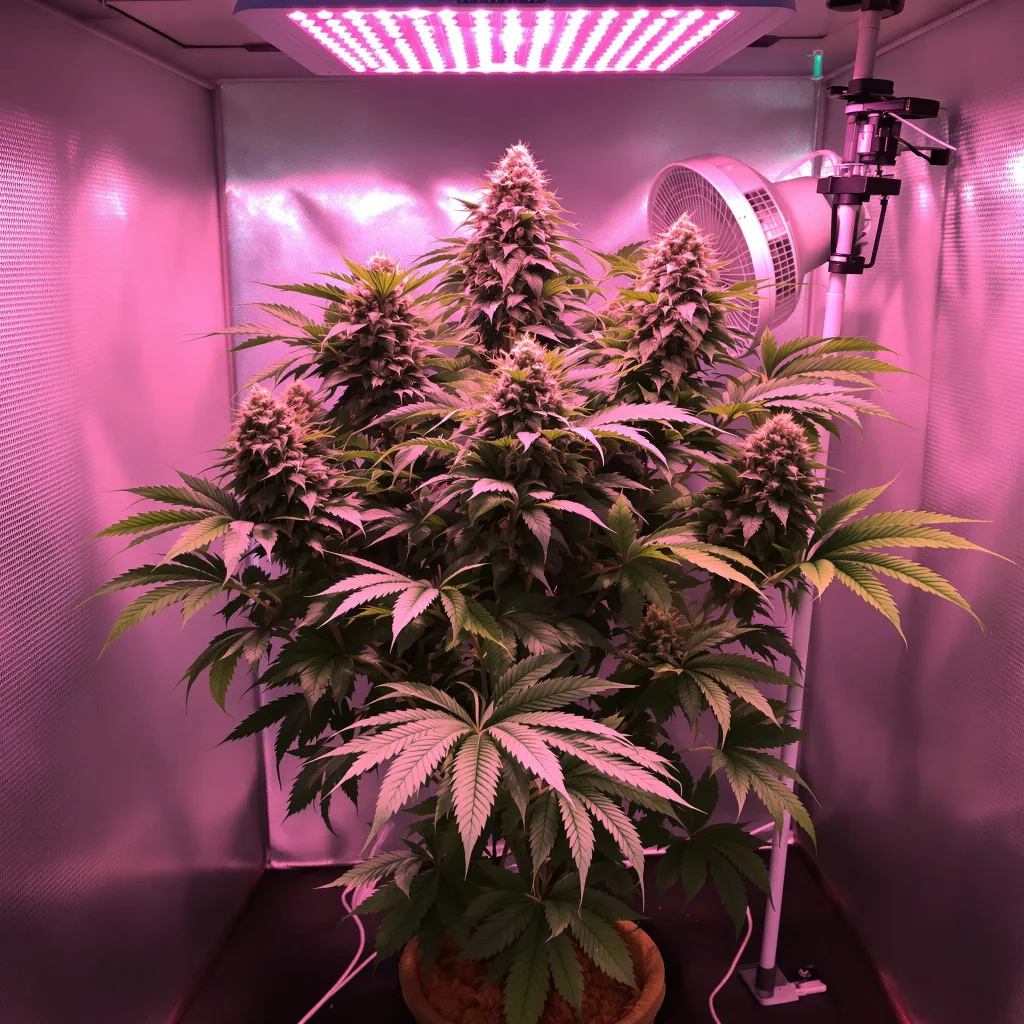
A roof over the plants removes direct rainfall, which helps substantially, but an enclosed structure with poor ventilation can trap humidity and make the situation worse. Open sides, a fan if you have power, and space between plants are what make covered growing work in the summer-rainfall provinces.
What to do next
Cut out every infected site today, back into clean stem, and inspect daily for the next week — then decide whether to pull the plant early based on the forecast and the trichomes, not on hope. If you are in the Western Cape or the Northern Cape and still seeing rot, the cause is almost certainly overwatering, overcrowding or a sealed structure rather than climate, and the fix is airflow. For next September to November, work backwards from the week the rain usually arrives in your province and use the strain finder to narrow to feminised genetics that finish before it.
Related Articles
Cloning Weed: What It Involves, and Why We Do Not Sell Clones
Growing GuidesOutdoor Weed in South Africa: Working Back From Your Local Frost Date
Growing GuidesMale Weed Plant: What the Label Controls and What It Does Not
Growing GuidesStages of Growing Weed: a South African Grower's Guide
Ready to Start Growing?
Browse 1,677 cannabis seed varieties with discreet shipping to addresses in all nine provinces and our sourced grow figures.
Shop Cannabis Seeds