Outdoor Weed in South Africa: Working Back From Your Local Frost Date
Royal King Seeds Editorial Team
Cultivation and editorial team, Royal King Seeds South Africa
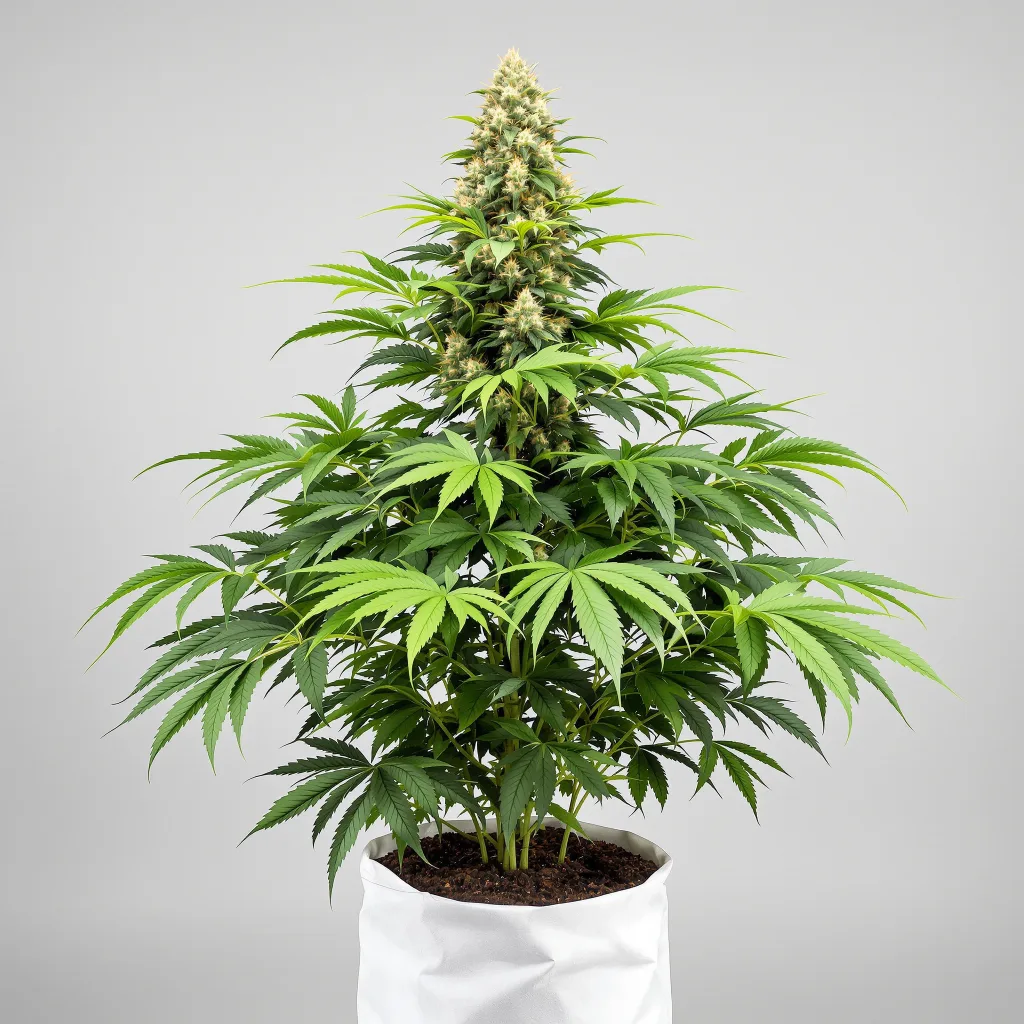

Your outdoor planting date is not a month you pick from a calendar — it is a subtraction. Find the date your area usually gets its first autumn frost, count backwards by the number of weeks your plant needs in flower, add the vegetative weeks you want, and that is when you put plants out. On the Highveld that arithmetic usually lands on October, with harvest in late March to April. In the frost-free lowveld of Limpopo and in coastal KwaZulu-Natal, frost never arrives and the deadline is humidity instead. In the Western Cape, frost is rare near the coast and the real deadline is wind.
This guide covers outdoor weed grown in soil under open sky, planted September to November and harvested March to May. It assumes an adult growing in private. It does not apply to greenhouse or covered growing, where the deadline moves out by several weeks.
Why the frost date, and not the season, sets your calendar
Frost is the only hard stop in a South African outdoor season. A plant that is two weeks from ripe when a minus-two-degree night arrives on the Free State plains does not finish slowly — the leaves blacken, the plant stops moving water, and whatever is on the branches is what you get. Heat, wind and rain all degrade a crop; frost ends it.
That is why the useful question is not "when do I plant" but "when does my area freeze". Frost dates are local to a degree that surprises people. A plot on a north-facing slope outside Johannesburg may escape a frost that flattens a garden in a low-lying hollow three kilometres away, because cold air drains downhill and pools. Valley bottoms, open lawns and anywhere with a clear view of the night sky freeze first. Walls, overhanging trees and north-facing slopes buy you nights.
If you have lived in your area a while, you already know roughly when the first white morning comes. If you have not, ask a neighbour who grows vegetables — gardeners track this obsessively, and their answer will be better than any national map.
The subtraction, step by step
Work in weeks, backwards from frost:
- Start at your first expected frost. Call it mid-April on the Highveld, early May in the Karoo and the Free State's warmer districts, and no frost at all along the KwaZulu-Natal coast or in the Limpopo lowveld.
- Subtract two weeks of safety. Frost dates are averages, not promises, and a crop finished a fortnight early costs you nothing.
- Subtract the flowering period. Indica-leaning plants commonly run eight to ten weeks from the first pistils; sativa-leaning and haze-influenced plants can run twelve to sixteen. Breeder figures are indoor figures and outdoor plants usually take longer, so add a week to whatever the description says.
- Subtract the time to flowering onset. Photoperiod plants outdoors here start flowering as nights lengthen past the summer solstice, which means late December into January for most of the country. That is a fixed point you cannot move.
- Everything before that is vegetative time, and it is the only part you control. Plant in September and you get a big plant; plant in November and you get a smaller one that still flowers on the same date.
Run that sum for Gauteng: frost mid-April, minus two weeks safety gives you 1 April. A ten-week flowering plant must have started flowering by late January, which it will. It works. A fifteen-week haze planted in the same garden flowers from late December and wants to run to mid-April — straight into the frost. That is the whole case for choosing genetics that finish before your frost rather than hoping for a mild autumn.
| Zone | Plant out | Harvest | What ends the season |
|---|---|---|---|
| Highveld — Gauteng, Free State, North West | October, after the last frost | Late March to April | First frost; hail from November to March |
| Lowveld — Limpopo and Mpumalanga | September to November | April to May | Humidity in flower, not frost; the Mpumalanga escarpment is cooler and wetter than the plains |
| KwaZulu-Natal coast | September to November | April to May | Botrytis through the humid summer |
| Western Cape | September to October, once winter rain eases | March to April | Sustained summer south-easter |
| Eastern Cape and Garden Route | September to October | March to April | Rain in any month on the coast |
| Northern Cape and Karoo | September to October | March to April | Water supply and summer heat; frost arrives late and sharp |
The rainfall inversion changes what "finishing" means
South Africa has two rainfall regimes running in opposite directions, and a frost calendar written for one is half-wrong for the other.
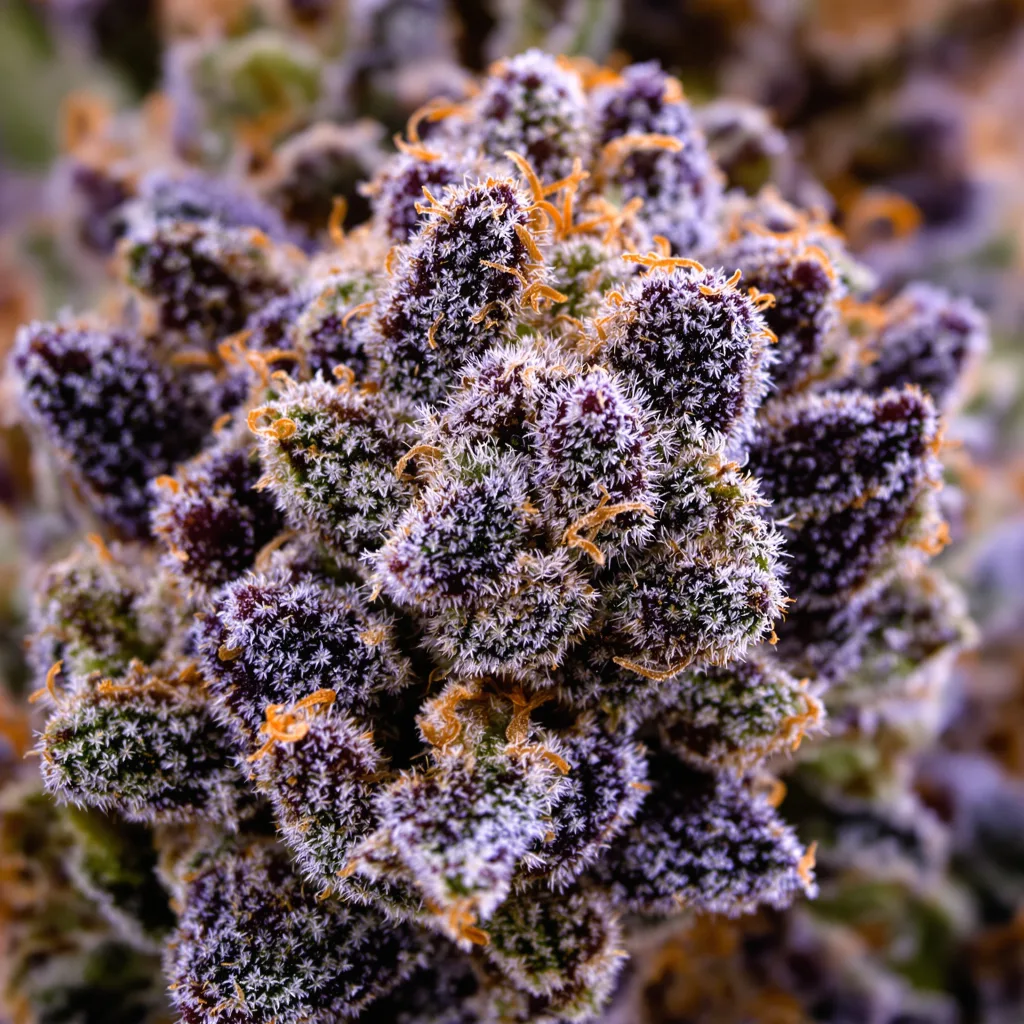
Summer-rainfall region — most of the country. Gauteng, the Free State, North West, Limpopo, Mpumalanga, KwaZulu-Natal and the eastern Eastern Cape receive their rain from roughly October to March. Flowering therefore happens in the wet half of the year. Thunderstorms soak dense flowers in January and February, overnight humidity keeps them wet, and botrytis — grey mould, which rots a flower from the inside out and shows as a brown, crumbling core — becomes the limiting factor. In this region, finishing earlier is better even when frost is weeks away, because every extra week in March is another week of rot risk.
Winter-rainfall region — the Western Cape. Rain falls May to August. Flowering in February and March happens in dry, bright, hot conditions, which is close to ideal, and the mould pressure that dominates the rest of the country barely applies. The Cape trade-off is the south-easter, which runs hard through summer across the Peninsula and the Boland and will snap a tall, top-heavy plant or rub the flowers raw against their own leaves. Shorter structures, staking before you need it, and low-stress training are worth more in the Cape than any mould-resistance trait.
The coastal strip from the southern Cape through the Garden Route has no pronounced dry season — rain can arrive in any month. Plan for wet flowering there regardless of the calendar.
How the Western Cape calendar differs in practice
A Cape grower works backwards from a different constraint. Frost near the coast is uncommon enough that it rarely sets the deadline; what sets it is the need to plant out after the winter rain has eased, which generally means September to October. Put seedlings into saturated winter soil in July and they sit cold and waterlogged.
Because flowering runs through the dry months, a Cape grower can carry a longer-flowering plant than a Highveld grower can, provided it is staked and kept low. Harvest lands March to April. Inland Western Cape — the Karoo-edge districts around Ceres, Sutherland and the Tankwa — is a different matter: those areas do get hard frost, and growers there should run the frost subtraction properly rather than borrowing Cape Town's dates.
Where frost is not the deadline at all
In the Limpopo lowveld and along the KwaZulu-Natal coast, you can grow outdoors almost year-round, and the frost calculation is irrelevant. The constraint is the humid flowering weeks of February, March and April. Dense, tightly packed flowers rot in that air. This is the reason the open, airy plant structures that suit the subtropical coast have historically done better there than compact indica types — more air moves through them, and water does not sit.
The same logic applies on the Mpumalanga escarpment, which is noticeably cooler and wetter than the lowveld plains below it, and where growers routinely plan for a harvest a few weeks earlier than someone in the Letaba valley.
In the Northern Cape and Karoo, frost is real but late, and mould pressure is negligible. The thing that ends a crop there is water. Nothing finishes outdoors without irrigation, and summer heat stress — midday wilting, flower bleaching on the top colas — is the day-to-day problem rather than humidity.
Autoflowers: the way out of the frost sum
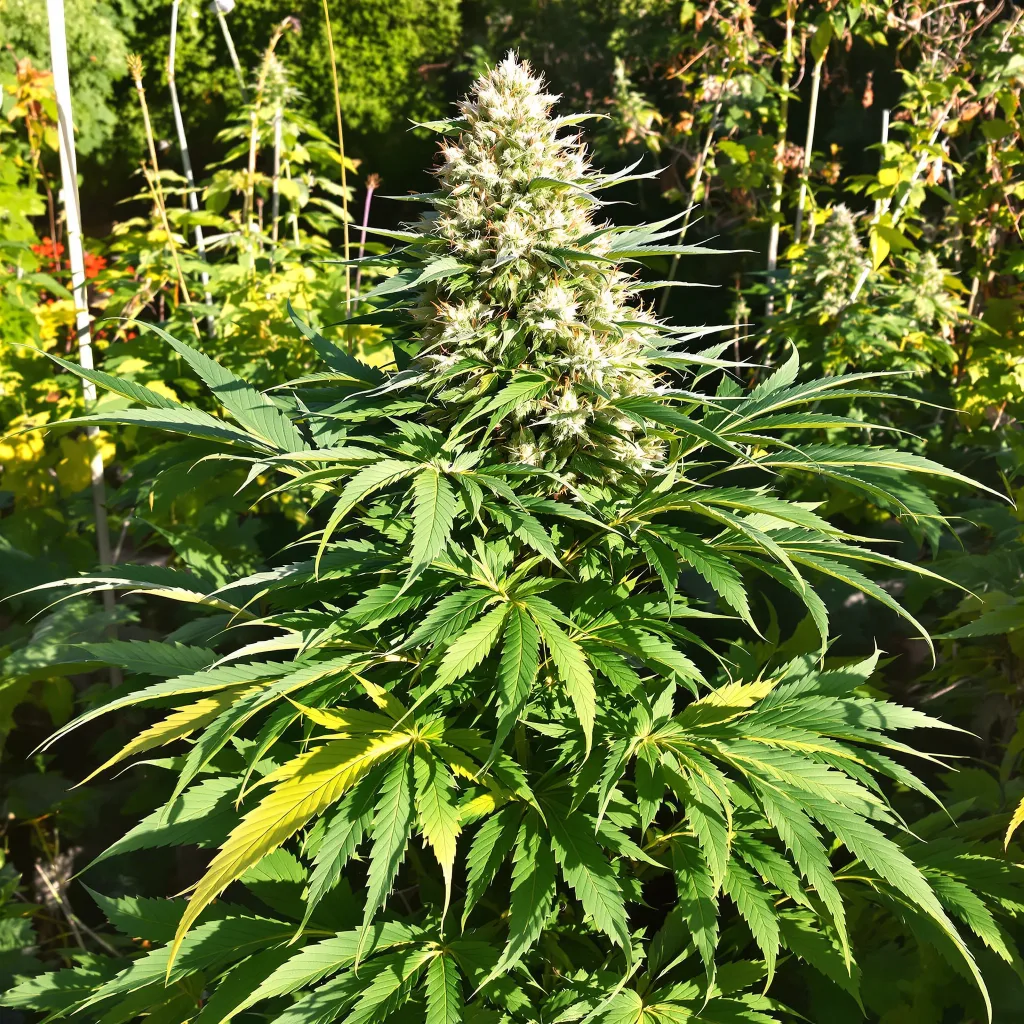
An autoflowering plant begins flowering on its own age rather than on day length, usually finishing ten to twelve weeks from sprouting. That breaks the fixed late-December flowering trigger entirely, and it is the single most useful tool for a grower with a short frost window.
On the Highveld, a seed started in October can be done by January, long before any frost and before the worst of the March rain. A second run started in December can finish by March. Growers in Gauteng and the Free State who want two outdoor crops in a season use autoflowering seeds for exactly that reason. The trade-off is size: an autoflower has no vegetative period you can extend, so yield per plant is lower than a photoperiod plant that spent October to December growing.
In the summer-rainfall region there is a second advantage. A January finish sidesteps the February and March storm weeks when botrytis does its damage. If mould has cost you a crop before, moving the harvest forward matters more than any other change you can make.
What to do in each month
- August: Western Cape and Eastern Cape growers prepare beds and check drainage while the rain is still falling. Highveld growers do nothing outdoors; frost is still active.
- September: plant out in the Western Cape, Eastern Cape, lowveld and KwaZulu-Natal. Highveld growers germinate indoors or under cover.
- October: Highveld plant-out after the last frost. Summer-rainfall growers stake now, before the thunderstorms start.
- November to December: peak vegetative growth. Training and topping happen here; after flowering starts you have missed the window.
- January: flowering is under way nationally. Autoflowers planted in October come down. Summer-rainfall growers start watching for grey mould after every storm.
- February to March: the decisive weeks. Western Cape growers manage wind; everyone else inspects flowers for rot every few days.
- March to May: harvest, running earliest in the Western Cape and Highveld and latest in KwaZulu-Natal and the lowveld.
A note on the legal position
On 18 September 2018 the Constitutional Court, in Minister of Justice and Constitutional Development v Prince, decriminalised the use, possession and cultivation of cannabis by an adult in private. The Cannabis for Private Purposes Act 7 of 2024 was signed into law on 28 May 2024 to give legislative effect to that judgment; different sections commence on dates fixed by the President, so not every provision is necessarily in force at the time of reading. The Act concerns private adult use and cultivation — commercial dealing in cannabis remains an offence, and the judgment did not legalise trade. Nothing in either the judgment or the Act permits use by a person under 18, or use in public. This is general information and not legal advice; read the Act itself and speak to a qualified professional about your own position.
Common questions
When should I plant cannabis outdoors in Johannesburg?
October, after the last frost has passed. Gauteng sits on the Highveld at roughly 1 200 to 1 800 metres, and the season is bracketed by frost at both ends — late frosts into September are common, and the first autumn frost usually arrives from mid-April. A plant put out in October flowers from late December or January and should be harvested by late March or April. Seedlings can be started indoors in September and moved out once nights are reliably above freezing.
Does the Western Cape really have a different growing calendar?
Yes. The Western Cape is the only part of South Africa where rain falls in winter, from roughly May to August, rather than in summer. Growers there plant out in September or October once the winter rain eases, and flower through hot, dry, bright February and March, harvesting March to April. Because flowering happens in the dry half of the year, the mould problems that dominate the rest of the country barely apply in the Cape — but summer wind does, and plants need staking.
Can I grow two outdoor crops in one South African season?
In most of the country, yes, using autoflowering plants, which flower on age rather than day length and finish roughly ten to twelve weeks from sprouting. A Highveld grower can start one in October for a January harvest and a second in December for a March harvest, both before frost. Photoperiod plants cannot do this outdoors, because they all begin flowering at the same point in late December regardless of when they were planted.
What happens if frost hits my plants before harvest?
A hard frost damages leaf and stem tissue, the plant stops moving water, and growth stops permanently. Flowers do not continue to ripen afterwards. A light touch of frost on one cold morning may only burn the outer fan leaves, in which case you can usually harvest within a day or two, but repeated frosts end the crop. This is why the standard approach is to subtract two weeks of safety margin from the expected first frost date rather than planning to finish on it.
Which province has the longest outdoor season?
The Limpopo lowveld has the longest usable inland season, being hot, low-lying and largely frost-free, with planting from September to November and harvest in April or May. Coastal KwaZulu-Natal has the longest frost-free period overall. Neither is the easiest place to grow, though — both are warm and humid through the flowering weeks, which makes grey mould, rather than cold, the thing that decides whether a crop finishes.
Where to start
Find your first frost date, subtract two weeks, subtract the flowering time of the plant you want to grow, and see whether the answer lands before late December. If it does, a photoperiod plant works in your garden and you can plant feminised seeds in your zone's window. If the sum lands after your frost date, or you are in the summer-rainfall region and have lost a crop to grey mould before, shift to autoflowers and bring the harvest forward instead of hoping for a kind autumn. If you are not sure which side of that line your garden sits on, the strain finder filters by flowering time, which is the number the whole calculation turns on.
Related Articles
Mouldy Weed: Why a Damp South African Autumn Is When It Takes Hold, and the Plant Traits That Resist It
Growing GuidesCloning Weed: What It Involves, and Why We Do Not Sell Clones
Growing GuidesMale Weed Plant: What the Label Controls and What It Does Not
Growing GuidesStages of Growing Weed: a South African Grower's Guide
Ready to Start Growing?
Browse 1,677 cannabis seed varieties with discreet shipping to addresses in all nine provinces and our sourced grow figures.
Shop Cannabis Seeds