Biscotti Strain: How It Behaves in South African Conditions
Royal King Seeds Editorial Team
Cultivation and editorial team, Royal King Seeds South Africa
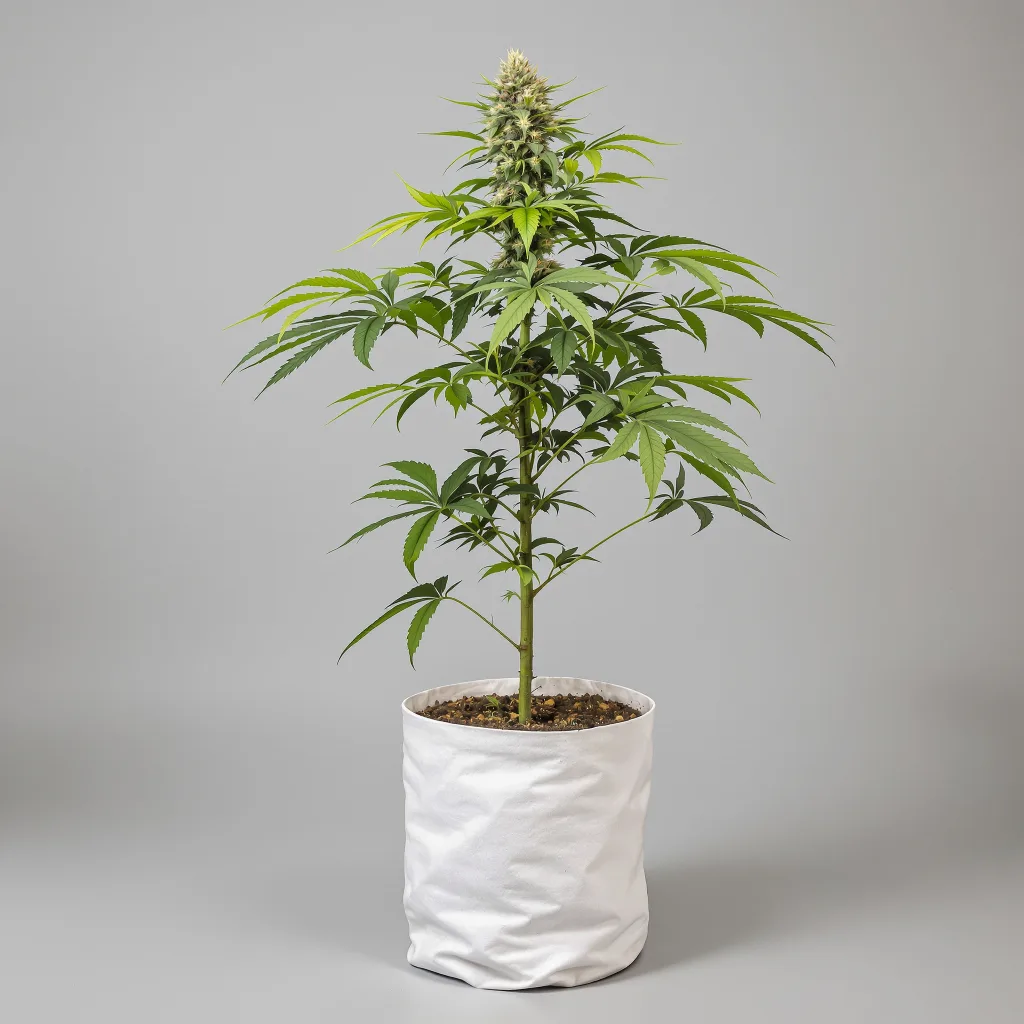
Biscotti is worth growing outdoors if you are in the Western Cape, the Northern Cape or the drier inland parts of the Eastern Cape, and it is a poor outdoor bet on the KwaZulu-Natal coast or in the Limpopo and Mpumalanga lowveld. The reason is density. Biscotti packs hard, resinous flowers with very little internal airflow, and dense flowers plus warm nights plus summer rain is how a crop turns to grey dust in the last fortnight.
Indoors, or in a greenhouse with real extraction, Biscotti behaves the same anywhere in the country. Outdoors, your rainfall region decides the answer before the genetics get a say.
What Biscotti is and where it came from
Biscotti comes out of the American Cookies family — the widely repeated cross is Gelato #25 with South Florida OG, which puts Girl Scout Cookies and OG Kush on both sides of its background. That ancestry shows up in three ways a grower actually notices: short internodes, flowers that cure hard and heavy rather than fluffy, and a strong tendency to throw purple and near-black colouring when nights get cold.
It leans indica in structure. Broad leaves, a squat main stem, side branches that want to grow outward rather than up. Reported effects sit on the heavy, sedating end of the spectrum with a sweet, doughy, slightly fuel-edged aroma, but effects vary by phenotype and by how you dry it, and they are not the reason to choose or reject Biscotti for a South African outdoor season. Its flowering length and its bud density are.
If you want the cultivar itself rather than the family, Biscotti Feminised is the line this article describes — feminised seed, so every plant that germinates should flower rather than half of them turning up male at week three.
Structure, flowering length and density: the three traits that decide this
Flowering length. Biscotti is a relatively quick finisher for a Cookies-family plant, usually in the eight to nine week band indoors once the light is switched to 12 hours. That matters enormously on the Highveld, where the first frost, not the strain, sets your deadline. A nine-week flower that starts in mid-January is off the plant in late March, which is inside the window in Gauteng, the Free State and North West in most years.
Structure. Short and wide. Outdoors in a long season Biscotti can still reach one and a half to two metres if you plant early and let it run, but it does not stretch the way a Haze-leaning plant does, and it holds its own weight better than most. That squat frame is a genuine asset in the Cape, where the summer south-easter runs hard across the Peninsula and the Boland for weeks at a time.
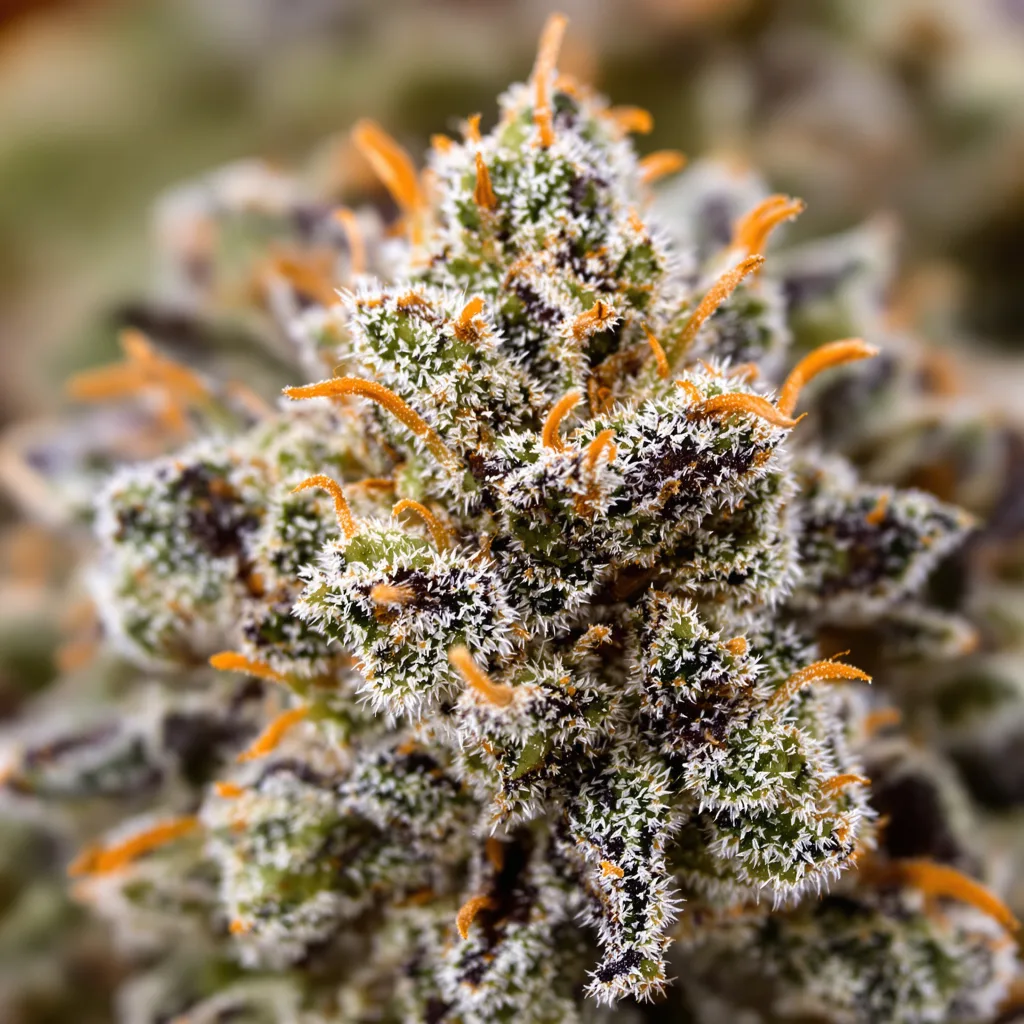
Density. This is the trait that will cost you money if you ignore it. Biscotti colas compact as they ripen; a thumb pressed into a finished bud meets resistance. Dense flowers hold moisture in their cores after rain or a humid night, and botrytis — grey bud rot — starts in exactly that dead air. You cannot feed or spray your way out of it. You either flower in a dry window or you do not grow this plant outdoors.
Yield is moderate rather than enormous. Biscotti gives you fewer, harder, heavier flowers rather than a wide canopy of light ones, so if total weight per plant is the goal, look at selections bred for bulk instead and treat Biscotti as the quality half of a mixed planting.
How Biscotti runs through a South African outdoor season
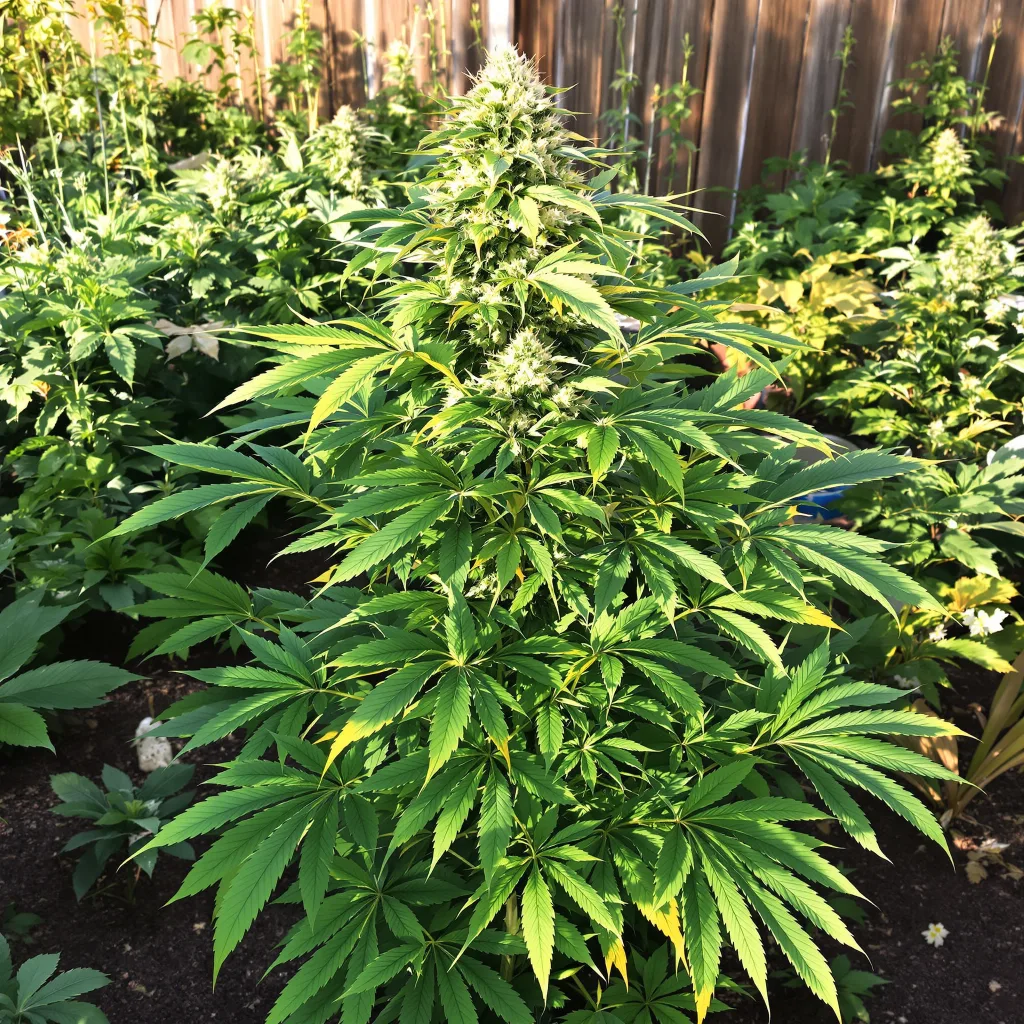
Plant out from September to November depending on your province. Biscotti is photoperiod, so it starts flowering as daylength shortens after the December solstice — in practice, flowering initiates somewhere between late December and early February depending on when you planted and how far south you are. Count eight to nine weeks of flower from there, plus a week or two of ripening in a cool season, and you land in the March to May harvest band.
Western Cape
The best fit in the country. Plant out September to October once the winter rain has eased, and Biscotti flowers through January, February and March — the dry half of the year in a winter-rainfall region. Harvest March to April. The mould pressure that rules Biscotti out elsewhere barely applies here, because there is no rain falling on the flowers. Your real problem is wind: stake early, keep the plant short, and use low-stress training to spread the branches instead of letting one heavy cola snap out at the collar.
Northern Cape and the Karoo
Also a good fit, for the opposite reason. Rainfall is negligible and humidity is low, so dense flowers dry out overnight instead of sweating. Plant September to October, harvest March to April. The constraint is water and heat, not mould. Biscotti stalls and foxtails — throwing new spears of white pistils out of finished buds — when afternoon temperatures sit above the mid-thirties for days on end, so plan shade cloth over midsummer, mulch heavily, and irrigate properly or do not start. Sharp overnight cooling in autumn is what brings out the purple this cultivar is known for.
Highveld: Gauteng, Free State, North West
Workable, with two hazards. Plant out in October after the last frost. Biscotti's short flowering window is the reason it fits: you want it cut by late March to early April, before the first frost.
The high-altitude ultraviolet light thickens resin and the big day-night swing in March pulls colour out hard. Against that, summer rain falls November to March and thunderstorms bring hail. A dense-flowered plant standing in the open through a February storm is at real risk, so the Highveld version of this grow belongs under a carport, a hoop house or a shade structure that keeps direct rain off the canopy while leaving the sides open.
KwaZulu-Natal and the subtropical coast
Do not plant Biscotti in the open here. Coastal KwaZulu-Natal has summer rainfall, warm nights and overnight humidity that stays high until well after sunrise, and the harvest window of April to May sits right in it. Dense Cookies-family flowers rot in that air, usually in the last ten days when you have already done all the work. If you want Biscotti in KwaZulu-Natal, grow it in a ventilated greenhouse, or grow it indoors. In the open ground, pick from the open-structured outdoor cultivars that the Durban Poison landrace exists to represent.
Lowveld: Limpopo and Mpumalanga
The same verdict as the coast, with heat added. Frost-free ground and a long season sound like an advantage, and for an airy sativa they are, but Biscotti in a lowveld February gets heat stress by day and humidity at night. The Mpumalanga escarpment is cooler and wetter than the plains, which trades heat for more mould pressure rather than solving anything. Under cover with forced airflow, it is fine. Open air, it is a gamble.
Eastern Cape and the Garden Route
Split decision, and the split follows rainfall rather than the provincial border. Inland and westward, where rain leans towards winter, Biscotti planted September to October and harvested March to April usually finishes clean. On the Garden Route coast, rain falls in every month of the year, so there is no dry window to aim a dense-flowered plant at, and covered growing removes most of the uncertainty.
Feeding: Biscotti burns before it starves
Cookies-family lines are commonly nitrogen-sensitive, and Biscotti follows the pattern. Clawed leaf tips, dark glossy foliage and burnt margins in week three of flower are almost always too much feed rather than too little. Run it lighter than the bottle says, then increase if the plant asks.
What it does want is calcium and magnesium, particularly under Highveld ultraviolet and in coco or any inert medium. Municipal and borehole water varies enormously across the country, so check what is already in your water before adding a cal-mag supplement on top of it. In Karoo and Northern Cape heat, root-zone temperature does more damage than feed strength: light-coloured pots, mulch and watering early rather than at midday.
Biscotti against Gelato and Durban Poison
These are the three most South African growers actually weigh against each other, because they sit at three different points on the density-versus-humidity trade-off.
| Trait | Biscotti | Gelato | Durban Poison |
|---|---|---|---|
| Bud density | Very dense, low internal airflow | Dense | Open, spear-shaped, airy |
| Flowering length | Roughly eight to nine weeks | Roughly eight to ten weeks | Short for a sativa; finishes early outdoors |
| Structure | Short, wide, holds its weight | Medium, moderate stretch | Tall and lanky, needs space |
| Best outdoor zones | Western Cape, Northern Cape, drier Eastern Cape | Western Cape, Northern Cape, covered Highveld | Everywhere, including humid KwaZulu-Natal |
| Worst outdoor zone | KwaZulu-Natal coast and lowveld, open air | KwaZulu-Natal coast, open air | Windy exposed sites without staking |
| Feeding | Sensitive; underfeed rather than overfeed | Moderate | Tolerant and forgiving |
Who should not grow Biscotti
Skip it if your flowering weeks fall in the wet: open-ground growers on the KwaZulu-Natal coast, the Garden Route coast and the lowveld are choosing the one cultivar trait their climate punishes hardest. Skip it if this is your first plant and you intend to feed by the label, because Biscotti will show you nutrient burn before it shows you deficiency and beginners usually read burn as hunger and add more. Skip it if you are chasing weight per plant.
Choose it if you are in a dry-summer region and want flower quality rather than bulk, if you grow indoors under controlled humidity where density costs you nothing, or if you are on the Highveld with cover overhead and want the frost deadline met by a short flower. If you are unsure which side of that line your site falls on, work through the strain finder with your province and whether you can keep rain off the canopy. Growers who cannot get a photoperiod plant through a wet February often do better running autoflowering seed planted early enough to finish before the humidity peaks.

Where the law sits
On 18 September 2018 the Constitutional Court, in Minister of Justice and Constitutional Development v Prince, decriminalised the use, possession and cultivation of cannabis by an adult in private. The Cannabis for Private Purposes Act 7 of 2024 was signed into law on 28 May 2024 to give legislative effect to that judgment; different sections commence on dates fixed by the President, so not every provision is necessarily in force at the time of reading. The Act concerns private adult use and cultivation — commercial dealing in cannabis remains an offence, and the judgment did not legalise trade. Nothing in either the judgment or the Act permits use by a person under 18, or use in public. This is general information and not legal advice; read the Act itself and speak to a qualified professional about your own position.
The short recommendation
If you are in the Western Cape, the Northern Cape or the drier Eastern Cape, plant Biscotti out in September or October, stake it against the wind, feed it lightly and expect to cut in March or April. Order early enough that seed is in hand before the window opens rather than after — check current delivery timings in August. That recommendation reverses the moment your flowering weeks coincide with rain or warm humid nights: on the KwaZulu-Natal coast or in the lowveld, grow Biscotti under cover or grow something airier, because no amount of care saves a dense bud that never dries out.
Common questions
When should I plant Biscotti outdoors in South Africa?
September to November, depending on province. Plant out in October on the Highveld once the last frost has passed, September to October in the Western Cape once the winter rain eases, and September to November in KwaZulu-Natal, Limpopo and Mpumalanga. Biscotti is photoperiod, so it begins flowering as daylength shortens after the December solstice and is generally harvested between March and May.
Does Biscotti resist bud rot?
No. Biscotti produces very dense flowers with little airflow through the core, which is the structure most vulnerable to botrytis when rain or high overnight humidity hits the plant during flowering. It finishes cleanly in the Western Cape and Northern Cape, where flowering falls in the dry half of the year, and it is a high-risk choice in the open air on the KwaZulu-Natal coast and in the lowveld.
Will Biscotti turn purple in South Africa?
Often, in places with cold nights during the last weeks of flower. The Highveld's big day-night temperature swings at 1 200 to 1 800 metres and the sharp overnight cooling in the Karoo both bring out the purple and near-black colouring this cultivar is known for. On the warm subtropical coast, where nights stay mild, the same seed will usually finish green. Colour is cosmetic and says nothing about potency.
How tall does Biscotti get outdoors?
It is a short, wide plant rather than a tall one, but in a full outdoor season with an early planting it can still reach roughly one and a half to two metres. Final height depends on planting date, pot or bed size and how much you top it. Its squat frame and sturdy branching make it easier to stake than a stretchy sativa, which matters in the Cape summer wind.
Is Biscotti a good beginner strain?
Not the best first choice. Biscotti is fussier about feeding than most — it shows nutrient burn readily and prefers being run lean — and its dense flowers demand that you time harvest against humidity rather than simply waiting for the trichomes. A grower in a dry-summer region who feeds conservatively can manage it on a first attempt; a beginner on the humid coast should start with something open-structured.
Related Articles
Grape Ape Strain: How It Behaves in South African Conditions
Strain ProfilesTart Pops Strain: How It Behaves in South African Conditions
Strain ProfilesChocolato Strain: How It Behaves in South African Conditions
Strain ProfilesBlunicorn Strain: How It Behaves in South African Conditions
Ready to Start Growing?
Browse 1,677 cannabis seed varieties with discreet shipping to addresses in all nine provinces and our sourced grow figures.
Shop Cannabis Seeds