Blunicorn Strain: How It Behaves in South African Conditions
Royal King Seeds Editorial Team
Cultivation and editorial team, Royal King Seeds South Africa
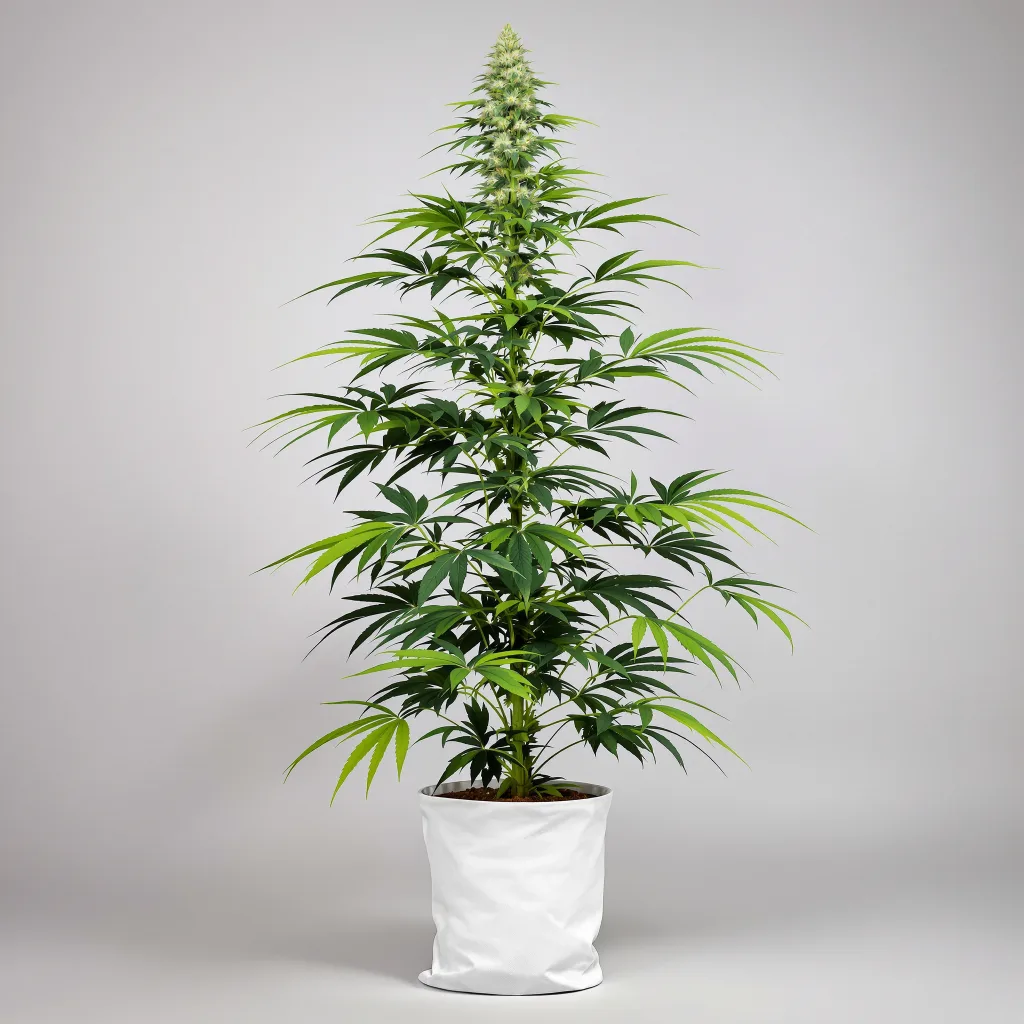
Blunicorn is a good outdoor bet in the Western Cape, the Northern Cape and most of the Highveld, and a poor one on the KwaZulu-Natal coast or the Garden Route unless you grow it under cover. The reason is simple: Blunicorn makes short, heavy, tightly packed flowers with a strong berry smell, and dense flowers plus humid air equals botrytis — the grey mould that hollows out a bud from the inside while the outside still looks fine. Where flowering happens in dry air, that density is pure upside. Where flowering happens in summer rain and 90% overnight humidity, it is the whole problem.
This article is about outdoor and greenhouse growing across the nine provinces, plus what Blunicorn asks of you indoors. Everything below assumes photoperiod feminised plants started from September to November and finished autumn — March to May — not autoflowering runs, which follow their own clock.
What Blunicorn is, and why the lineage you read keeps changing
Blunicorn is an American-bred indica-leaning hybrid from the modern blueberry-and-dessert family, and it is sold on smell as much as anything else: sweet blue-fruit and cream over a faint fuel note. Catalogues disagree about the exact parents — you will see several different blue-fruit and cookies-type crosses named as the source, and the breeder attributions are not consistent between sellers. Treat any stated lineage as a claim, not a fact.
That matters less than it sounds. What you actually buy when you buy Blunicorn is a set of physical behaviours: compact internodes (short gaps between branches), thick lateral arms, flowers that stack into solid cores rather than airy spears, and a relatively short flowering period. Those four things predict your season here far better than a pedigree does.
Reported effects sit on the relaxed, body-heavy side of the spectrum, with the sweet berry palate that the name trades on. Those are grower and consumer reports, not measured outcomes, and phenotype variation within a packet is normal.
The structure that decides everything: density and finish time
Blunicorn is usually listed at roughly eight to nine weeks of flowering indoors. Treat that as a guide rather than a promise, because finish time shifts with phenotype, night temperatures and how hard you push nitrogen late. Outdoors in South Africa, a strain in that bracket is well positioned — it starts flowering as the days shorten after the December solstice and is usually ready before the worst of the autumn weather.
Height is moderate. Expect a bush rather than a tree: commonly somewhere in the region of 1,2 to 1,8 m outdoors in good ground, depending on pot size, planting date and whether you topped it. The plant wants to go wide before it goes up, and it holds weight well without much staking — until the flowers swell, at which point the main arms will bend and the lower ones will lie on the soil if you have not tied them out.
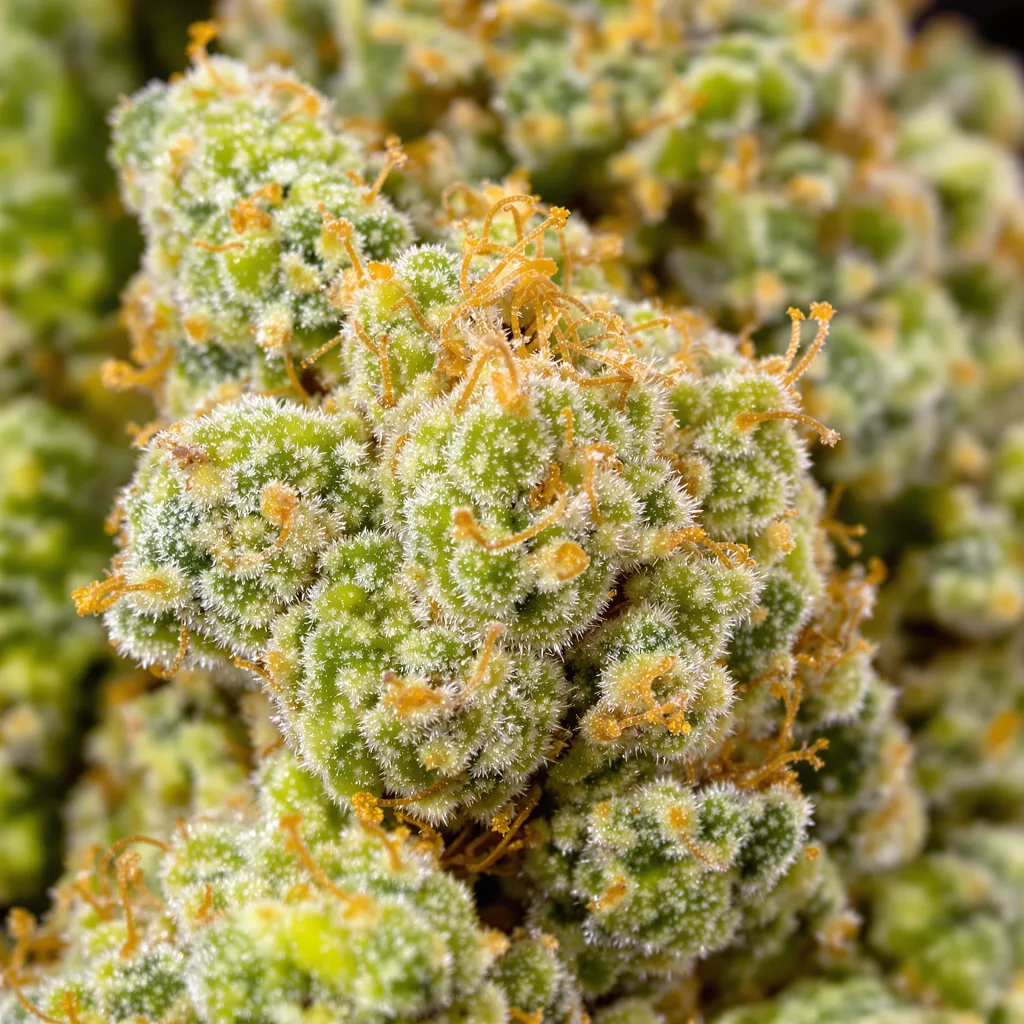
The density is the headline. Blunicorn buds finish hard and heavy, with tight calyxes and very little internal airflow. In dry air that gives you exactly the bag appeal people grow this cultivar for. In humid air it gives botrytis a sealed, damp room to work in, and by the time you smell it you have already lost the core.
Blunicorn through a South African season, zone by zone
Western Cape. This is the best fit in the country. The Western Cape is the only winter-rainfall region in South Africa — rain falls May to August — so plant out September to October once the winter rain eases and flowering runs through the hot, dry, bright part of the year. Harvest lands March to April with almost no mould pressure. The trade-off is the south-easter, which runs hard through summer across the Peninsula and the Boland. Blunicorn's short, stiff frame handles wind better than a stretchy sativa, but stake the main arms anyway and keep the plant low with early training.
Northern Cape and the Karoo. Also strong, for the opposite reason: humidity is a non-issue and light is never the constraint. Plant September to October, harvest March to April. Your enemies are heat and water. A dense-flowering plant under 38 °C afternoons will foxtail and lose terpene intensity, so give it afternoon shade cloth and irrigate on a schedule — nothing finishes outdoors here without irrigation.
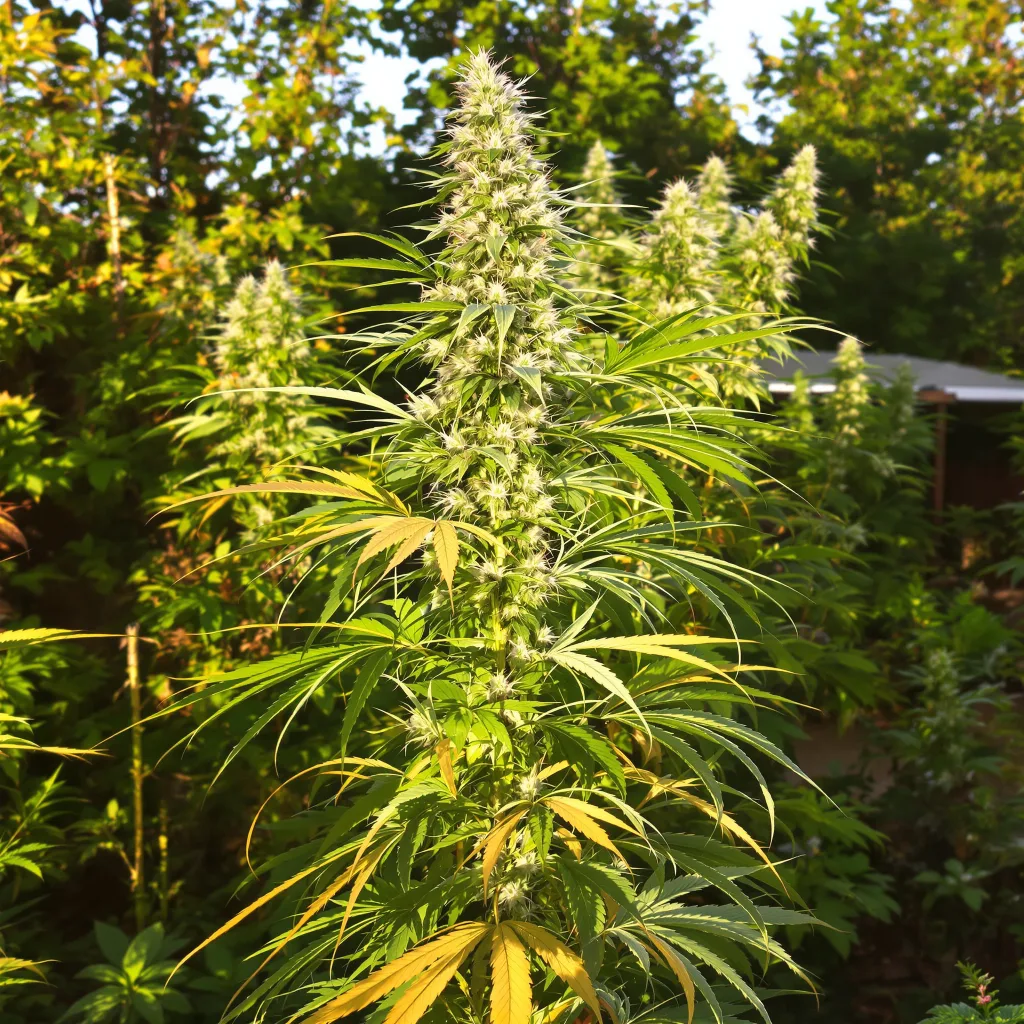
Highveld — Gauteng, Free State, North West. Workable, and often beautiful. Plant out in October after the last frost and aim to harvest late March to April, before the first frost closes the season. Blunicorn's short flowering window is an asset against that deadline. The large day-night temperature swings at 1 200 to 1 800 m pull purple and blue tones out of blue-fruit genetics, which is where this cultivar earns its looks. The risks are the November to March thunderstorms and the hail that comes with them: a dense-budded plant that takes a soaking in late March needs airflow immediately afterwards. Shake the plants out, or grow under a simple clear roof.
Lowveld — Limpopo and Mpumalanga. Possible, with management. Plant September to November, harvest April to May. Midsummer heat stress and humidity through the flowering weeks are the constraints, and the Mpumalanga escarpment is markedly cooler and wetter than the plains below it. Thin the interior of the plant aggressively and prioritise shade and airflow over feeding.
KwaZulu-Natal coast. This is where I would not put Blunicorn in open ground. Warm, humid, summer-rainfall conditions with high overnight humidity make the KZN coast the hardest place in South Africa to finish dense flowers — it is bud-rot country, which is precisely why the local Durban Poison landrace is open and airy. If you want to grow Blunicorn in KZN, grow it in a ventilated tunnel, or look at open-structured outdoor genetics instead.
Eastern Cape and the Garden Route. Split. The inland and western Eastern Cape, planted September to October and harvested March to April, is manageable. The Garden Route coast receives rain all year with no dry season to plan around, and that undoes a dense strain. Covered or greenhouse growing removes most of the uncertainty here.
How Blunicorn compares to two cultivars people weigh it against
| Trait | Blunicorn | Gelato | Durban Poison |
|---|---|---|---|
| Bud structure | Very dense, short and stacked | Dense, resin-heavy | Open, airy spears |
| Height outdoors | Moderate bush, around 1,2–1,8 m | Moderate, compact | Tall and stretchy |
| Humidity tolerance | Low — needs dry flowering weeks | Low | High |
| Best zones here | Western Cape, Northern Cape, Highveld | Western Cape, Northern Cape | Almost anywhere, including KZN |
| Colour expression | Strong blue and purple on cool Highveld nights | Purple in cool nights | Mostly green |
Read that table as a mould-pressure decision, not a quality ranking. If your flowering weeks are dry, Blunicorn and Gelato reward you. If they are wet, the open-structured plant wins by default because it still exists at harvest.
Feeding, training and the mistakes that cost the crop
Blunicorn is not a heavy feeder relative to its size, and it shows nitrogen excess as dark, clawed leaves and slower flower hardening. Feed it moderately and taper nitrogen early in flower. On Highveld soils with hot summer afternoons, calcium and magnesium demand rises under intense ultraviolet light and fast transpiration — leaf edges going crispy while the plant is otherwise healthy usually points there rather than at a nutrient shortage in the tank.
Three practical errors account for most Blunicorn failures in this country:
- Leaving the interior dense. Strip the inner lower growth by mid-January so air moves through the plant. This matters in every summer-rainfall province.
- Watering overhead late in flower. Water at the base from February onward. A wet bud at dusk in Gauteng or Mpumalanga is a rot that starts overnight.
- Chasing the last week. If a February or March storm front is coming and the plant is close, take it. A dense bud that sits through three wet days is worth less than one cut early.
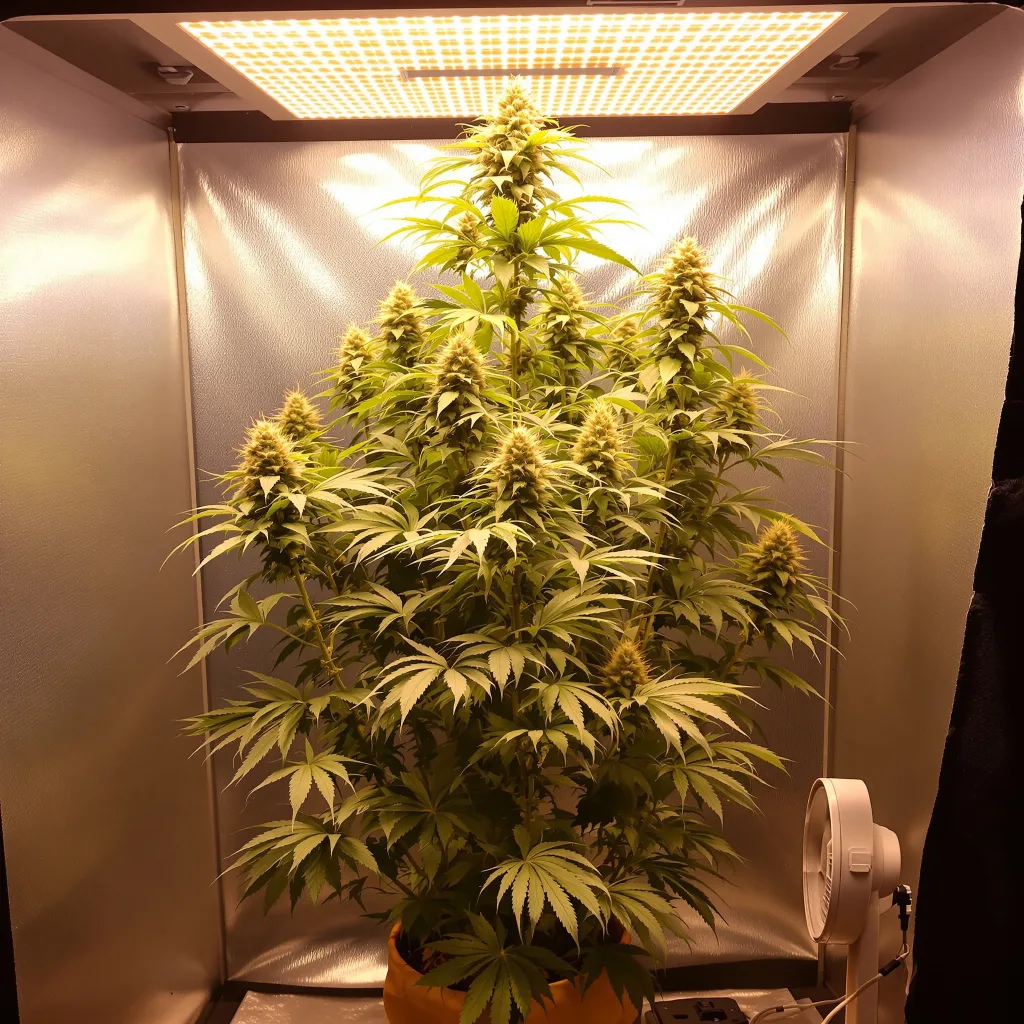
Indoors, Blunicorn is easier and more predictable than outdoors anywhere in the country: you control humidity, so the density stops being a liability. A short, wide plant under a net suits indoor growing in a small space, and light defoliation plus strong extraction through the last three weeks is the whole management plan.
Who should not grow Blunicorn
Skip it if you grow in open ground on the KwaZulu-Natal coast or the Garden Route and have no cover. Skip it if you are on a balcony in Durban with no airflow. Skip it if you want a tall, open plant you can largely ignore until autumn, or a first grow where you would rather learn on something forgiving. Growers who need a plant off the ground and finished before a tight frost window may also do better with a short autoflowering run started in late spring, which sidesteps the photoperiod calendar entirely.
Choose it if your flowering weeks are dry — Western Cape summer, Karoo summer, a covered Highveld plot — and you want short, hard, sweet-smelling flowers with real colour. If you are unsure which side of that line your site falls on, the strain finder sorts by climate rather than by hype, and the feminised photoperiod range is where the comparable options sit.
The legal position, stated plainly
On 18 September 2018 the Constitutional Court, in Minister of Justice and Constitutional Development v Prince, decriminalised the use, possession and cultivation of cannabis by an adult in private. The Cannabis for Private Purposes Act 7 of 2024 was signed into law on 28 May 2024 to give legislative effect to that judgment; different sections commence on dates fixed by the President, so not every provision is necessarily in force at the time of reading. The Act concerns private adult use and cultivation — commercial dealing in cannabis remains an offence, and the judgment did not legalise trade. Nothing in the judgment or the Act permits use by a person under 18, or use in public. This is general information and not legal advice; read the Act itself and speak to a qualified professional about your own position.
Common questions
When do I plant Blunicorn outdoors in South Africa?
Plant out from September to November, since South Africa is in the Southern Hemisphere and spring runs September to November. Western Cape, Northern Cape and Eastern Cape growers plant September to October; Highveld growers wait for October, after the last frost; the Lowveld and KwaZulu-Natal can plant anywhere from September to November. Harvest falls March to April in the Cape provinces and on the Highveld, and April to May in the Lowveld and KwaZulu-Natal.
Will Blunicorn get bud rot in South Africa?
It can, and where depends on your rainfall region. In the Western Cape the rain falls May to August, so Blunicorn flowers in dry summer air and mould pressure is minimal. In the rest of the country rain falls October to March, straight through flowering, and Blunicorn's dense buds are exposed — worst on the humid KwaZulu-Natal coast and the year-round-wet Garden Route. Defoliating the plant interior, watering at the base and growing under cover are the three things that change that outcome.
How long does Blunicorn take to flower?
Roughly eight to nine weeks indoors is the figure most catalogues give, but the actual finish varies with phenotype, night temperatures and late feeding, so judge ripeness by trichomes and receding pistils rather than by a date. Outdoors in South Africa that flowering length generally puts harvest in autumn, March to May depending on province.
Does Blunicorn turn purple here?
Blue-fruit genetics express purple and blue tones when nights run cold late in flower, and the Highveld's 1 200 to 1 800 m elevation gives exactly those day-night swings in March. Colour expression still depends on the individual plant — some phenotypes in a packet will colour strongly and others will stay green, and colour is not a proxy for potency.
Is Blunicorn a good strain for a first grow?
Not the easiest choice. Blunicorn's flower density means it needs active humidity management in every province except the Western Cape and Northern Cape, and a beginner in Gauteng, Mpumalanga or KwaZulu-Natal will spend the last month fighting rot. A more open-structured plant teaches the same lessons with less at stake.
If you grow where the flowering weeks are dry — the Western Cape from January to April, the Karoo, or a covered Highveld plot finishing before first frost — put Blunicorn in the ground in September or October and train it wide and low. If your site is the humid KwaZulu-Natal coast or the all-year-rain Garden Route and you cannot cover it, choose from the outdoor range instead and keep Blunicorn for a tent.
Related Articles
Ready to Start Growing?
Browse 1,677 cannabis seed varieties with discreet shipping to addresses in all nine provinces and our sourced grow figures.
Shop Cannabis Seeds