Stages of Growing Weed: a South African Grower's Guide
Royal King Seeds Editorial Team
Cultivation and editorial team, Royal King Seeds South Africa
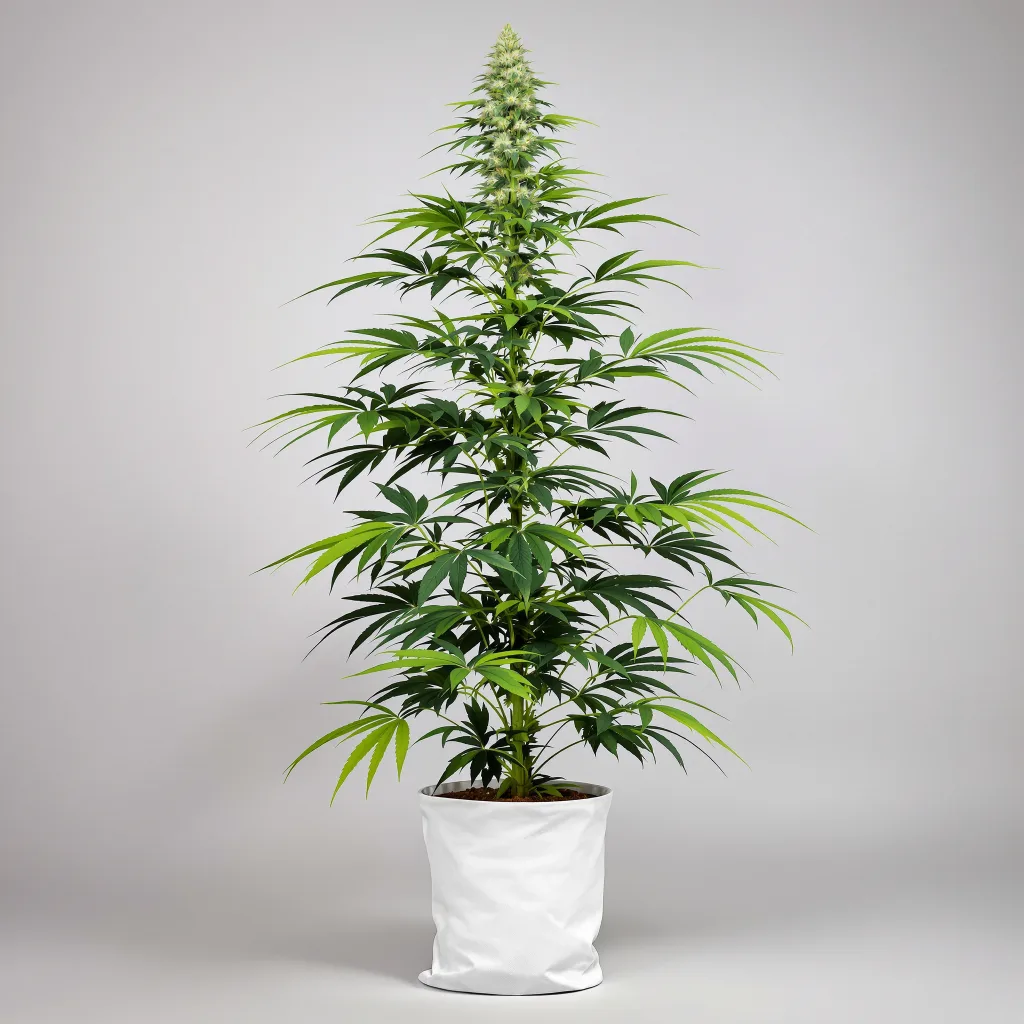
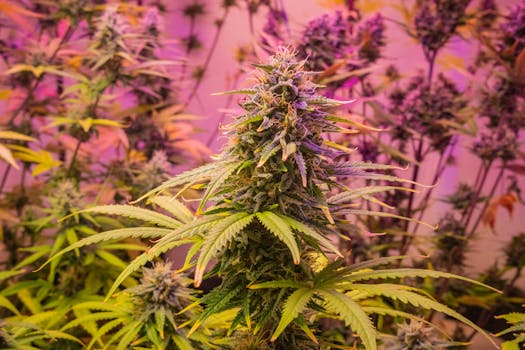
A cannabis plant moves through five living stages — germination, seedling, vegetative growth, flowering and ripening — followed by two you control entirely, drying and curing. Outdoors in South Africa that means seed in a cup around September or October, vigorous leaf growth through the hot half of summer, flowers setting from late December as the days shorten, and harvest somewhere between March and May depending on your province. Each stage has one job and one common way of being ruined, and the rainfall pattern where you live decides which stage is the dangerous one.
This guide is written for private adult growing at home, outdoors and indoors. On 18 September 2018 the Constitutional Court, in Minister of Justice and Constitutional Development v Prince, decriminalised the use, possession and cultivation of cannabis by an adult in private, and the Cannabis for Private Purposes Act 7 of 2024 was signed into law on 28 May 2024 to give legislative effect to that judgment. Different sections commence on dates fixed by the President, so not every provision is necessarily in force as you read this. Commercial dealing remains an offence, and nothing in either the judgment or the Act permits use by a person under 18 or use in public. This is general information, not legal advice — read the Act and speak to a qualified professional about your own position.
Step 1 — Germination: 2 to 7 days
Germination is the seed taking up water, splitting, and pushing out a root. It needs three things: moisture, warmth of roughly 22 to 25 °C, and darkness. Nothing else, and specifically not fertiliser.
The simplest method is to plant the seed about 10 to 15 mm deep in damp, unfertilised seedling mix and keep it that way. If you prefer the paper-towel method, move the seed into medium as soon as the white root tip shows, not when it is 30 mm long and fragile.
What ruins it: soaking seeds in water for more than about 24 hours, which drowns them; burying too deep so the seedling exhausts itself before reaching light; and a cold night on the Highveld or in the Karoo, where overnight temperatures drop sharply even in warm months. Germinate indoors, on top of a cupboard if you have no heat mat.
Done looks like: two round seed leaves above the surface with the husk shed.
Step 2 — Seedling: weeks 1 to 3
The seedling stage is root-building disguised as slow top growth. The plant may add only a few centimetres a week while the root mass triples, which is why impatient growers at this stage do the most damage.
Keep the medium damp, not wet. Water in a small ring around the stem rather than flooding a large pot, because a seedling cannot drink a two-litre pot dry and waterlogged medium suffocates new roots. Hold off on nutrients until the plant has three or four sets of serrated true leaves.
What ruins it: overwatering, full-strength feed, and sunburn. Highveld ultraviolet light at 1 400 m is harsh on a plant raised under a windowsill — harden seedlings off over about a week, starting with morning sun only. In the Western Cape the equivalent killer is the south-easter, which shreds soft young leaves; a temporary shade-cloth screen solves it.
Step 3 — Vegetative growth: the stage your calendar controls
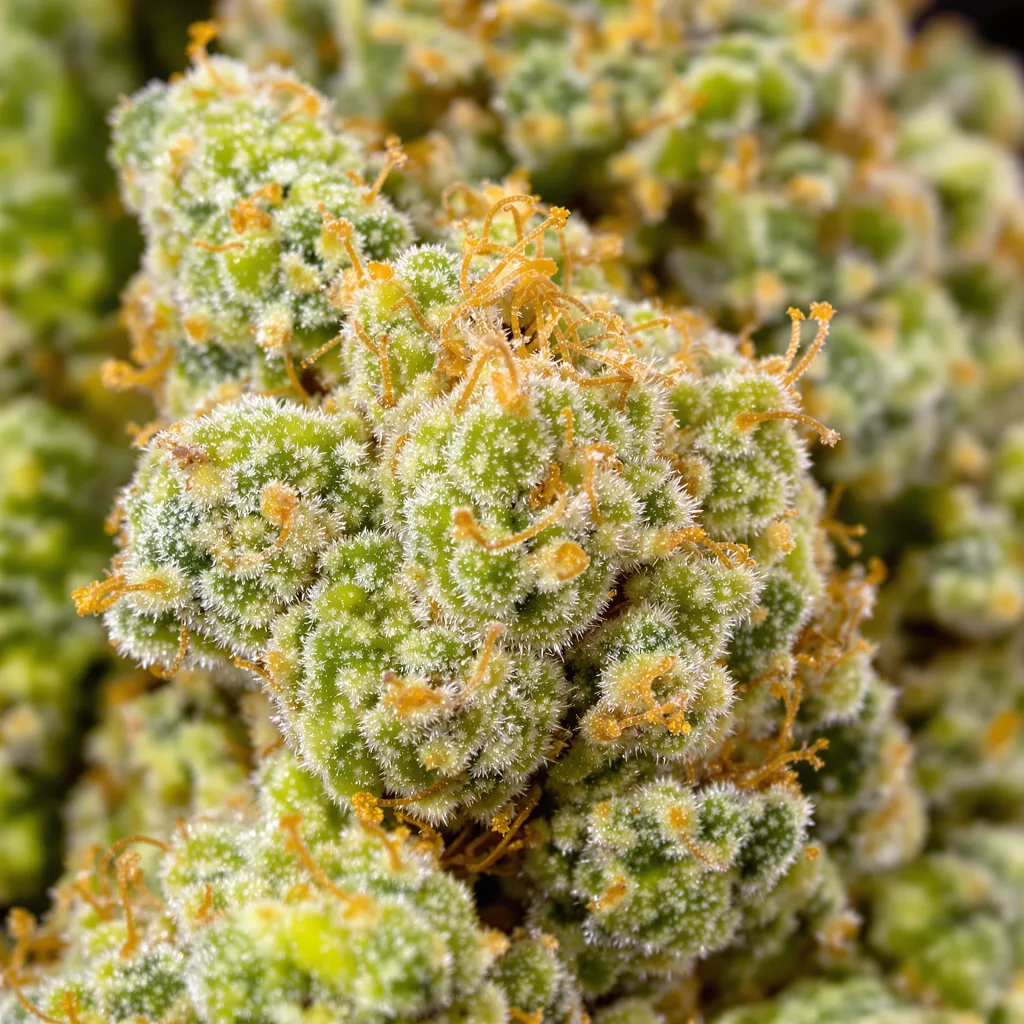
Vegetative growth is stem and leaf production, and outdoors it lasts from planting out until the days shorten enough to trigger flowering. Plant out in September or October in most of the country, October on the Highveld once the last frost has passed. Everything you want the plant to become in terms of size and shape must happen here, because once flowering starts the structure is fixed.
This is the window for topping — cutting the main growing tip so the plant produces multiple colas instead of one — and for low-stress training, where branches are bent down and tied so light reaches more sites. In the Western Cape and the wind-exposed Boland, train plants wider and lower rather than taller; a two-metre plant in a summer south-easter is a broken plant. Feed nitrogen-forward nutrients and increase pot size before roots circle the container.
What ruins it: planting out too late, which cuts the vegetative window short and produces a small plant that flowers on schedule anyway; and topping after flowering has begun, which costs yield and gains nothing. Autoflowering plants are the exception — they flower on age rather than day length, so they get no extended vegetative stage and should not be topped at all.
Step 4 — The stretch: the first two to three weeks of flowering
When the night length passes a strain's threshold — for most photoperiod plants outdoors in South Africa that is late December into January, after the summer solstice on about 21 December — the plant stops making leaves and starts making flowers. First it stretches, often doubling in height and sometimes more in sativa-leaning genetics.
Stake or trellis before the stretch finishes, not after. Switch feeding away from heavy nitrogen towards phosphorus and potassium as pistils appear. Indoors the same stretch follows the change to a 12-hour dark period, which is why strains selected for indoor growing are usually the shorter, faster-stretching ones.
Done looks like: white pistils in pairs at the branch junctions and vertical growth slowing to a stop.
Step 5 — Flowering: where your rainfall region decides everything
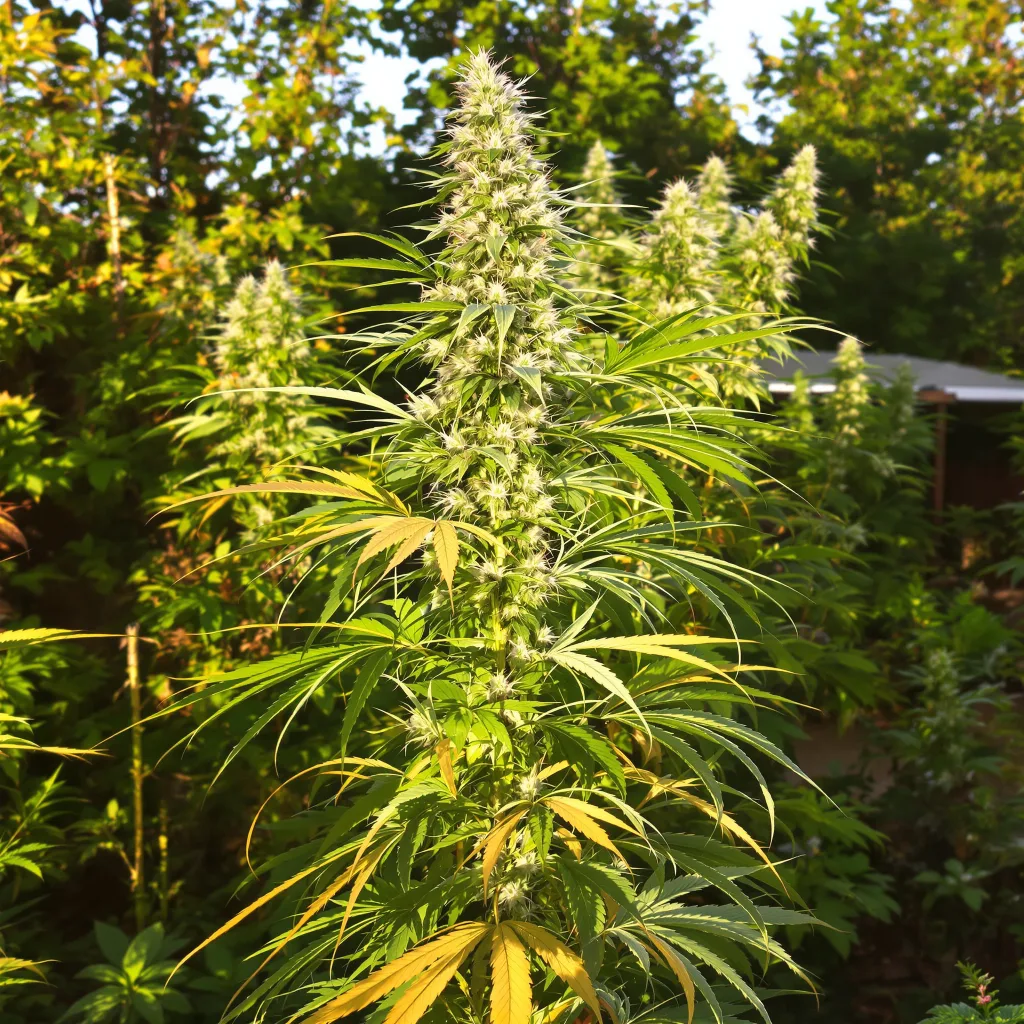
Flowering is bud development, and it runs roughly six to eleven weeks depending on genetics. In South Africa this is the stage where regional advice splits completely, and following the wrong half of it loses the crop.
In the summer-rainfall region — most of the country, including Gauteng, the Free State, KwaZulu-Natal, Limpopo and Mpumalanga — rain falls from October to March, directly over flowering. Warm nights plus wet flowers is botrytis, or bud rot, which hollows out a cola from the inside and shows as a grey-brown dying leaf in the middle of a bud. KwaZulu-Natal's humid coast is the hardest place in the country to finish dense flowers, which is exactly why the Durban Poison landrace is open and airy in structure. Choose open-structured outdoor genetics over compact indicas, strip the lower interior leaves for airflow, and shake water off plants after storms.
In the winter-rainfall region — the Western Cape — rain falls May to August, so flowering happens through a dry, bright summer and mould pressure barely applies. The enemy there is wind and heat, not damp. On the Garden Route and southern Cape coast there is no pronounced dry season at all, so plan for rain in any month. In the Northern Cape and Karoo the constraint is water: nothing finishes outdoors without irrigation, and mould risk is negligible.
| Zone | Plant out | Harvest | Riskiest stage |
|---|---|---|---|
| Western Cape | September to October, once winter rain eases | March to April | Stretch and flowering — sustained summer wind |
| KwaZulu-Natal coast | September to November | April to May | Flowering — botrytis in humid summer nights |
| Highveld (Gauteng, Free State, North West) | October, after the last frost | Late March to April, before first frost | Ripening — the frost window sets the deadline |
| Lowveld (Limpopo, Mpumalanga) | September to November | April to May | Vegetative — midsummer heat stress |
| Eastern Cape and Garden Route | September to October | March to April | Flowering — rain possible in any month on the coast |
| Northern Cape and Karoo | September to October | March to April | All of them — drought stress is constant |
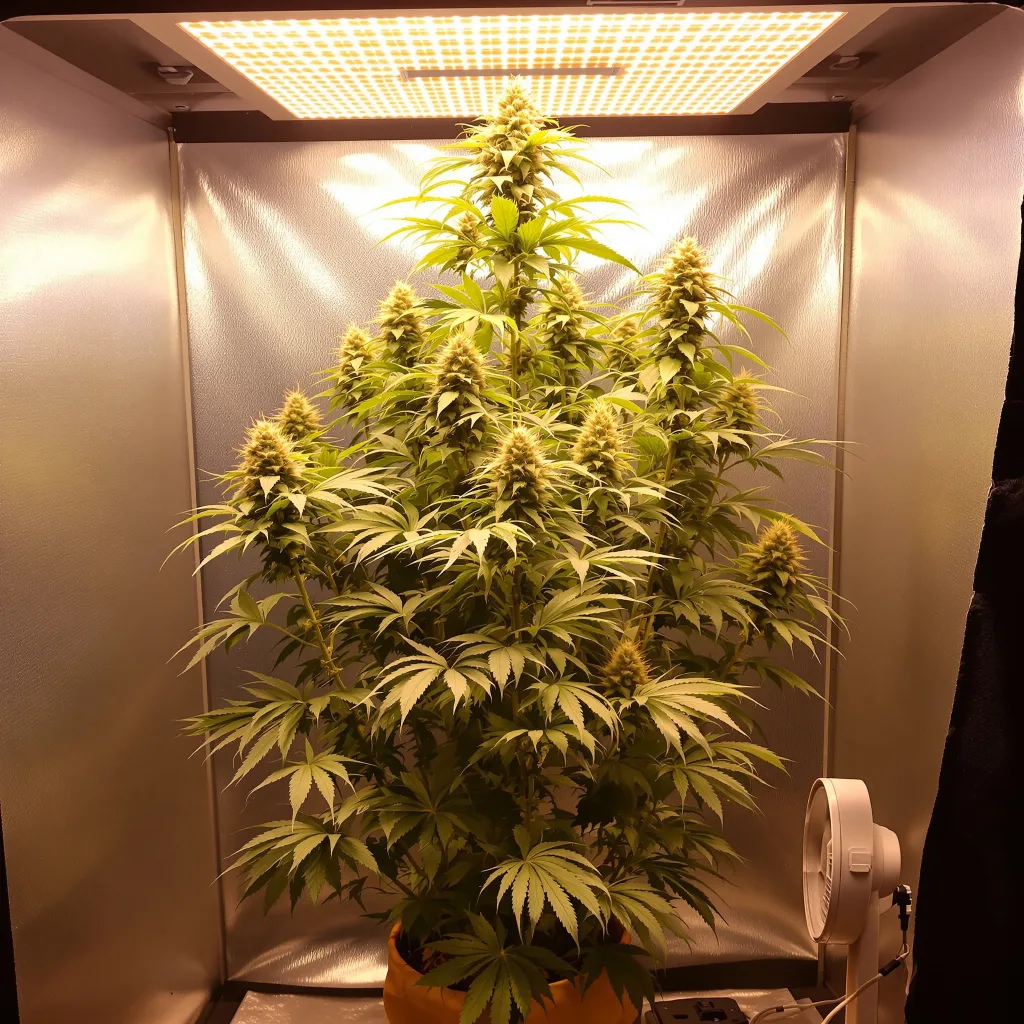
Step 6 — Ripening and harvest: read the resin, watch the frost
Ripening is the last week or two, when pistils darken and curl in and the trichomes — the stalked resin glands coating the flower — change colour. Under a cheap jeweller's loupe or a phone macro lens they go from clear to milky white, then some turn amber. Mostly milky is the usual harvest window; more amber generally reads as heavier and more sedating in effect.
The trichomes are the signal, but the calendar can overrule them. On the Highveld the first frost arrives in April or sometimes late March, and a frosted plant is finished whether it was ready or not — pick early rather than lose everything. In KwaZulu-Natal a week of humid weather at the end has the same effect, and harvesting three days early beats cutting rot out of every cola. If you have been caught by either, a shorter-flowering feminised variety next season is a more reliable fix than trying to hurry the plant.
What ruins it: harvesting on a strain's advertised flowering time instead of on what the plant is doing, and flushing or stopping water so hard that the plant wilts through the final week.
Step 7 — Drying and curing: the stage most growers rush
Drying takes the moisture out slowly so that chlorophyll breaks down and the harsh grassy taste goes with it. Hang whole branches in a dark room at roughly 18 to 20 °C with about 55 to 60 percent relative humidity and gentle air movement that is not blowing directly on the flowers. It usually takes seven to fourteen days.
The regional split applies here too. A Karoo or Northern Cape summer dries flowers to dust in three days unless you close the room up and slow the airflow; a coastal KwaZulu-Natal or Garden Route autumn will not let them dry at all without a dehumidifier or a fan heater on low. Aim for the conditions, not the day count.
Curing follows: trim, seal into glass jars at around 60 percent humidity, and open them for a few minutes daily for the first two weeks. The smell sharpens and the smoke smooths over four to eight weeks.
Done looks like: thin stems snapping rather than bending, with the thickest stems still slightly flexible.
Common questions
How long does it take to grow weed from seed in South Africa?
Outdoors, a photoperiod plant put out in September or October is usually harvested between March and May, so roughly six to eight months from seed, plus a further four to eight weeks of drying and curing. Indoors the same plant takes three to five months because you control the light cycle. Autoflowering plants finish in roughly 75 to 110 days from germination regardless of the month, which is why they suit a second run late in the season.
When do outdoor plants start flowering in South Africa?
Most photoperiod cannabis outdoors begins flowering from late December into January, after the 21 December solstice when nights start lengthening again. The exact date shifts with latitude — plants in Limpopo turn slightly later than plants in the Western Cape — and with genetics, since sativa-leaning strains often take longer to commit and then flower for longer. Autoflowering plants ignore day length and flower about four weeks after germination whenever they were planted.
Which growth stage is most likely to fail?
In the summer-rainfall parts of South Africa, which is most of the country, flowering is the stage that kills crops, because October-to-March rain and humid nights fall over the weeks when buds are dense enough to hold water. In the Western Cape, where rain falls May to August, flowering is comparatively safe and the seedling and stretch stages are the vulnerable ones because of the summer south-easter. Indoors, the seedling stage causes the most losses, almost always from overwatering.
Can I still grow if I plant out in December?
A photoperiod plant put out in December will flower within weeks and stay small, because the days are already shortening and the vegetative window has gone. You will get a harvest, just a modest one. An autoflowering plant is the better choice for a late start, since it runs on its own clock and reaches full size regardless of the month. If you are choosing between the two for a specific province and planting date, the strain finder filters by climate and finishing time.
Start by fixing your harvest date first and working backwards: find the month your province is likely to bring frost, sustained rain or humid nights, subtract the flowering time of the strain you want, and plant accordingly. If that arithmetic leaves you short — a late start, a Highveld frost deadline, a KwaZulu-Natal wet autumn — change the genetics rather than the calendar and look at autoflowering indicas, which set their own schedule and get out of the ground before the weather turns.
Related Articles
Mouldy Weed: Why a Damp South African Autumn Is When It Takes Hold, and the Plant Traits That Resist It
Growing GuidesCloning Weed: What It Involves, and Why We Do Not Sell Clones
Growing GuidesOutdoor Weed in South Africa: Working Back From Your Local Frost Date
Growing GuidesMale Weed Plant: What the Label Controls and What It Does Not
Ready to Start Growing?
Browse 1,677 cannabis seed varieties with discreet shipping to addresses in all nine provinces and our sourced grow figures.
Shop Cannabis Seeds