Growing Weed in South Africa: What the Phrase Fails to Predict
Royal King Seeds Editorial Team
Cultivation and editorial team, Royal King Seeds South Africa
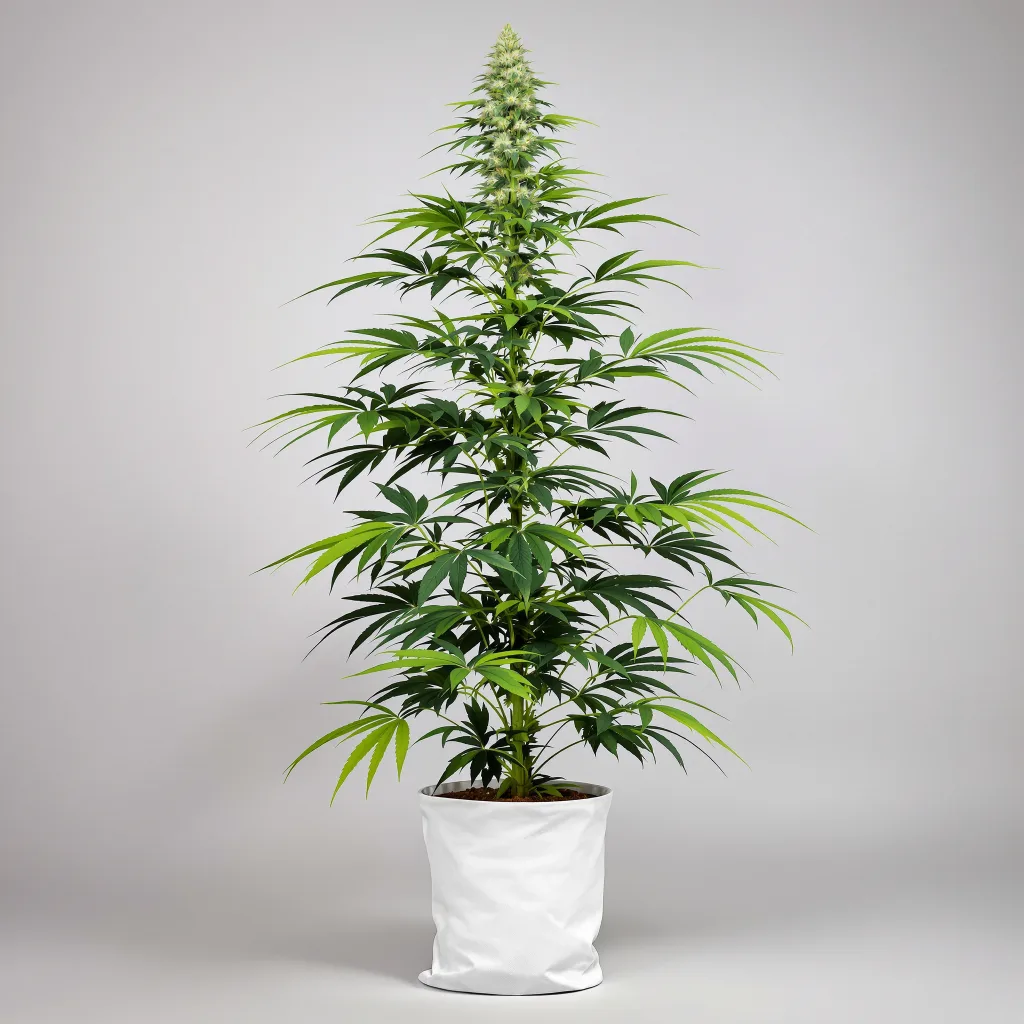
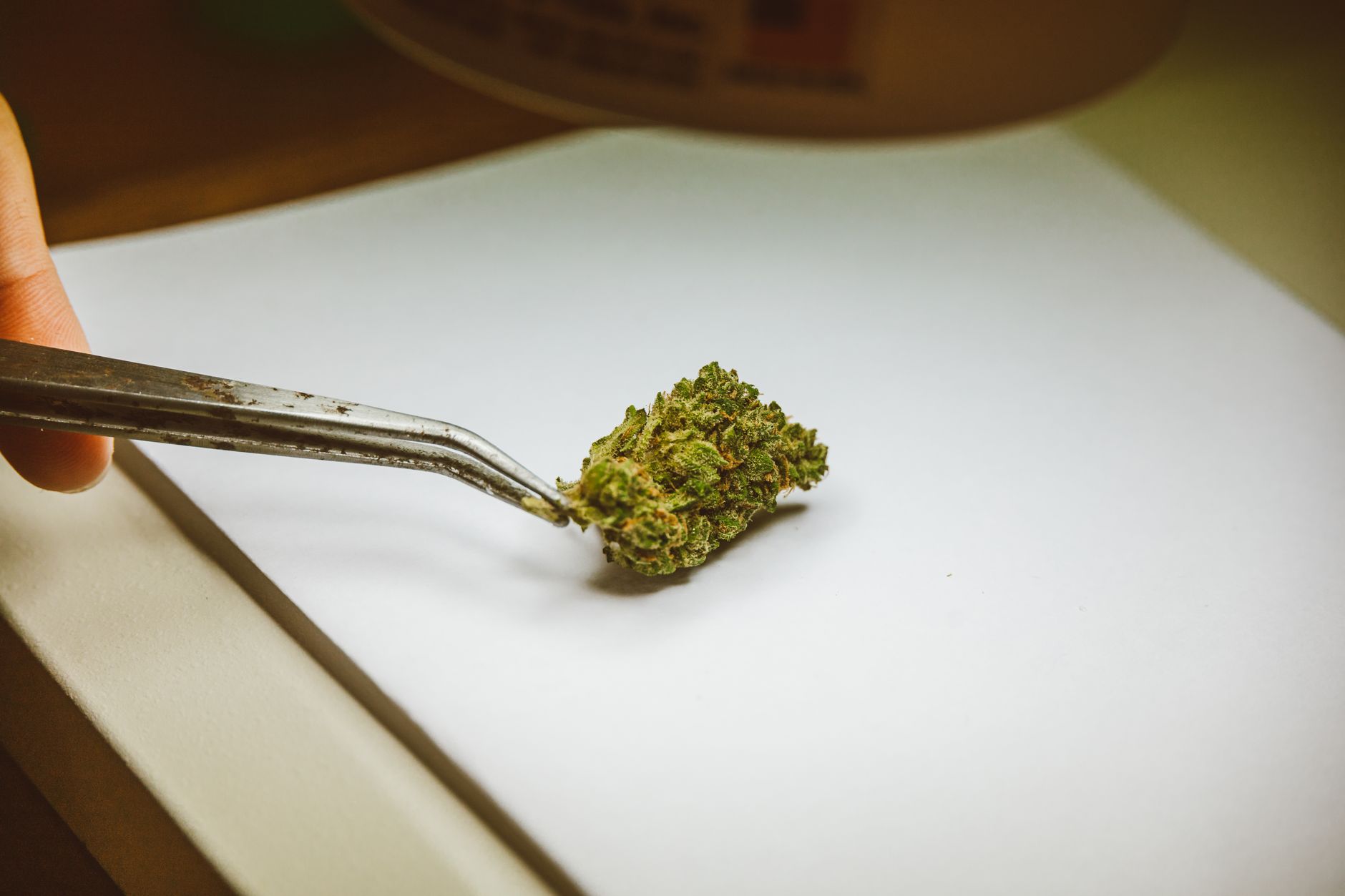
Across South Africa the outdoor season runs from planting in September to November to harvest in March to May. That is the only part of "growing weed in South Africa" that holds nationally. Everything that actually decides whether your plants finish — when the rain falls, when the first frost arrives, how humid the nights are in flowering — changes between provinces and sometimes within one.
A grower in Paarl and a grower in Ballito are both growing in South Africa in the same months, and almost none of the advice that works for one works for the other. This guide sorts out which claims belong to which part of the country.
What the phrase does not tell you
"South Africa" predicts a few things reliably. It predicts a Southern Hemisphere calendar, so every planting chart written for Europe or North America is six months out of step — if a guide tells you to plant in April and harvest in October, it is not describing your year. It predicts strong light, because most of the inland country sits high and clear. It predicts a long enough season that outdoor growing is realistic nearly everywhere.
It does not predict your rainfall pattern, and that is the variable that most often decides a harvest. It does not predict frost, which brackets the Highveld season at both ends and never touches the KwaZulu-Natal coast. It does not predict humidity, wind, or whether a dense indica-structured plant will finish clean or turn to grey mould in the last fortnight. A strain recommendation that says "great for South Africa" and stops there has told you nothing you can act on.
The rainfall split that changes the answer
South Africa has two rainfall regimes, not one, and they are roughly opposite.
- Summer-rainfall region — most of the country, including Gauteng, Limpopo, Mpumalanga, the Free State, North West and KwaZulu-Natal. Rain falls from about October to March, which is precisely when your plants are flowering. Wet flowering weeks mean botrytis — bud rot, a grey mould that works outward from the inside of a dense flower and is usually only visible once it has already spread.
- Winter-rainfall region — the Western Cape. Rain falls from roughly May to August, so flowering in January to March happens in the dry half of the year. Mould pressure is low. The constraint there is wind: the south-easter runs hard through summer across the Peninsula and the Boland and will snap a tall, top-heavy plant.
- The coastal strip — the southern and Garden Route coast has no pronounced dry season and can take rain in any month, which is why covered growing is so common from Knysna through to Port Elizabeth.
This single split explains why open-structured outdoor strains matter enormously in Durban and barely at all in the Karoo. Advice written in one region is not merely less useful in the other — it is wrong.
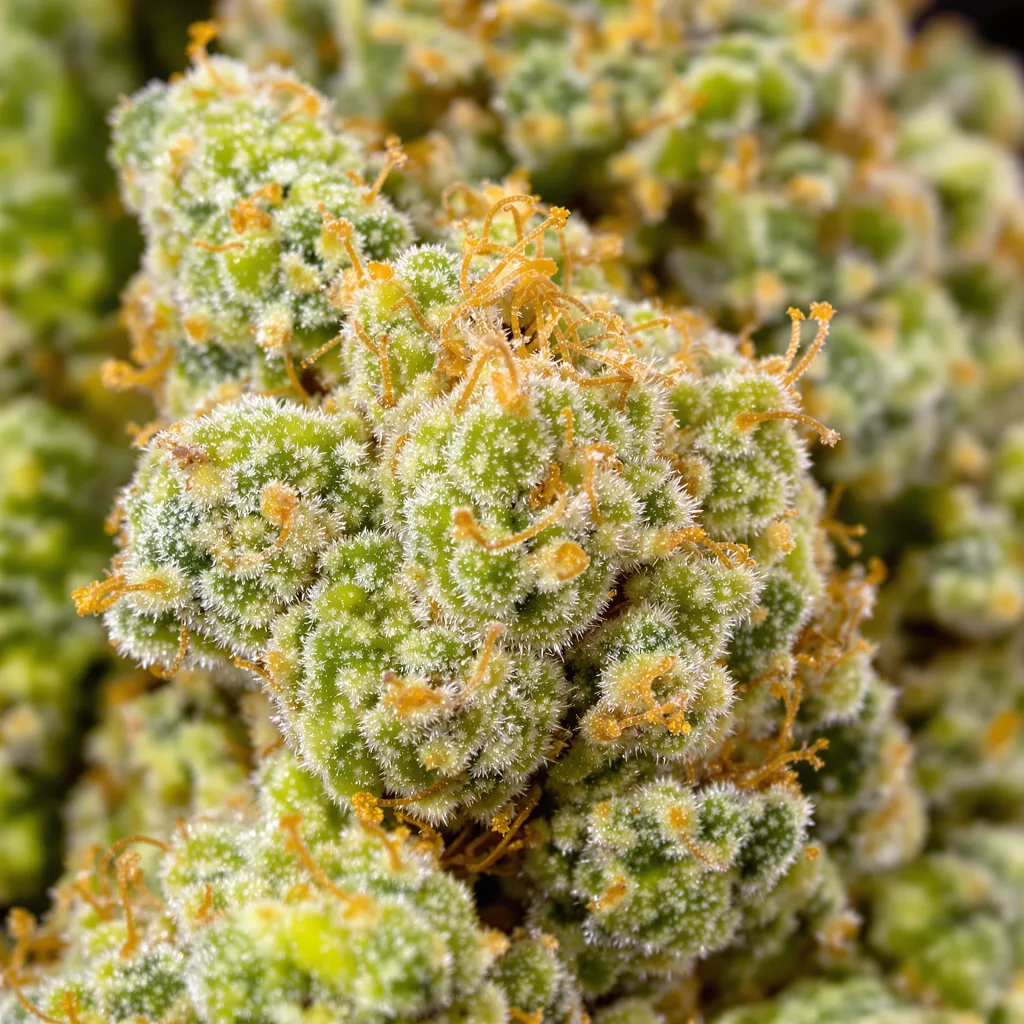
The six growing zones, side by side
| Zone | Plant out | Harvest | Rain falls | What limits you |
|---|---|---|---|---|
| Western Cape | September to October, once the winter rain eases | March to April | Winter (May to August) | Sustained summer wind, not mould |
| KwaZulu-Natal and subtropical coast | September to November | April to May | Summer | Humidity and bud rot in flower |
| Highveld (Gauteng, Free State, North West) | October, after the last frost | Late March to April, before first frost | Summer, as thunderstorms | The frost window, plus hail |
| Lowveld (Limpopo, Mpumalanga) | September to November | April to May | Summer | Midsummer heat stress, then humidity |
| Eastern Cape and Garden Route | September to October | March to April | Varies west to east; year-round on the coast | Rain at any time of year |
| Northern Cape and Karoo | September to October | March to April | Very little, at any season | Water and heat; mould pressure is negligible |
The Mpumalanga escarpment is the exception that proves the point: it is cooler and wetter than the lowveld plains an hour's drive below it, so a Nelspruit plan and a Graskop plan are not the same plan.
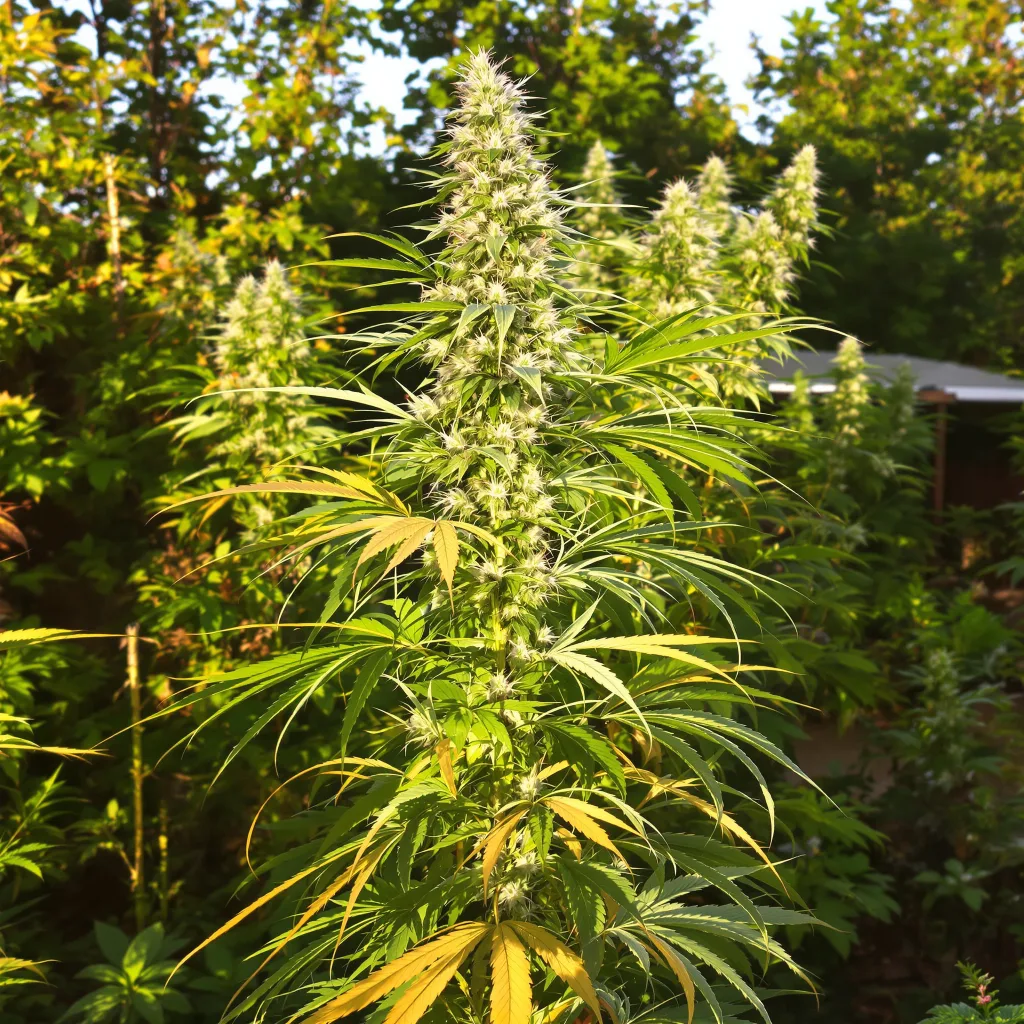
One seed, three gardens: a worked example
Take the same feminised photoperiod seed — a dense, indica-structured plant with a stated flowering time around nine weeks — and put it in the ground on 1 October in three places.
Stellenbosch. It flowers through January and February in dry, bright weather. Mould is barely a factor. The thing that costs you yield is wind, so the plant wants staking from early on, or low-stress training — bending and tying branches down to keep the canopy short and wide rather than tall. Harvest lands comfortably in March.
Durban North. The same plant flowers through warm, humid summer nights with rain. The density that looks impressive in photographs is the defect here: water sits in the flower, air does not move through it, and botrytis takes hold. An airy, sativa-leaning structure is the correct answer in that climate, which is exactly why the Durban Poison landrace looks the way it does.
Krugersdorp. Planting on 1 October may be too early if a late frost is still possible, and the harvest deadline is set by the first frost of autumn rather than by the strain's listed flowering time. Nine weeks of flowering from a late February flip is cutting it fine. Summer hail is a separate risk that a shade structure solves and a strain choice does not.
Same genetics, same date, three different outcomes. That is what the phrase "growing weed in South Africa" conceals.
When the outdoor calendar stops applying
Two choices take you off the national calendar entirely.
Autoflowering plants flower on age rather than on day length, usually finishing somewhere around ten to twelve weeks from sprouting depending on the variety. That lets you slot a run into a gap — start in late August and pull in November before the worst of the summer rain, or run a second cycle after a main-season harvest. Autoflowering seeds are the usual answer where the season is short at both ends or the flowering weeks are reliably wet.
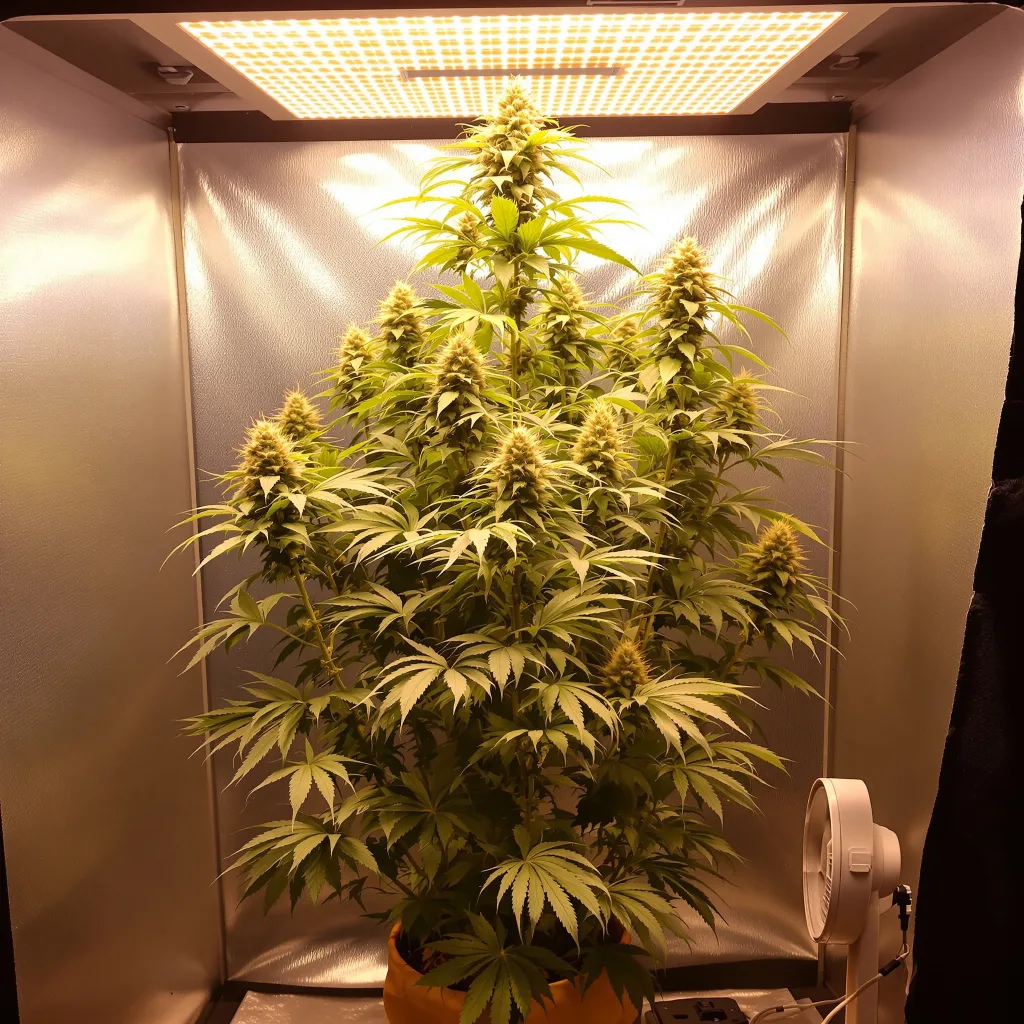
Indoors, you set day length yourself and the season is irrelevant. The South African constraints become electricity cost and summer heat in the room, particularly on the Highveld in December and anywhere in the lowveld. Yields are measured in g/m² rather than g/plant, and compact indoor-suited genetics matter more than weather resistance. A greenhouse or a simple covered frame sits between the two and is the standard fix for the Garden Route, where rain can arrive in any month.
If you are not sure which of those routes fits your site, work backwards from your own frost record and rainfall pattern first, then use the strain finder to narrow by flowering time rather than by name.
The legal position, briefly
On 18 September 2018 the Constitutional Court, in Minister of Justice and Constitutional Development v Prince, decriminalised the use, possession and cultivation of cannabis by an adult in private. The Cannabis for Private Purposes Act 7 of 2024 was signed into law on 28 May 2024 to give legislative effect to that judgment. Different sections commence on dates fixed by the President, so not every provision is necessarily in force at the time of reading.
The Act concerns private adult use and cultivation. Commercial dealing in cannabis remains an offence, and the judgment did not legalise trade. Nothing in either the judgment or the Act permits use by a person under 18, or use in public. This is general information and not legal advice — read the Act itself and speak to a qualified professional about your own position.
Common questions
When should I plant cannabis outdoors in South Africa?
Between September and November, with the narrower window depending on where you are. The Western Cape and Eastern Cape plant from September to October; the Highveld waits until October so seedlings miss the last frost; KwaZulu-Natal, Limpopo and Mpumalanga can plant anywhere from September through November. Harvest follows from March to May. Northern Hemisphere guides give these months six out of step, so ignore any chart that has you planting in April.
Which province is best for growing cannabis outdoors?
There is no single best one, because each trades a different problem. The Western Cape flowers in dry summer weather with low mould pressure but hard summer wind. The lowveld of Limpopo and Mpumalanga has the longest frost-free inland season but midsummer heat and humid flowering weeks. The Highveld has intense light and big day-night swings but a season boxed in by frost at both ends. KwaZulu-Natal has the longest frost-free season in the country and the highest bud-rot risk.
Does it rain during flowering in South Africa?
In most of the country, yes. The summer-rainfall region — Gauteng, the Free State, North West, Limpopo, Mpumalanga and KwaZulu-Natal — gets its rain from roughly October to March, directly over the flowering period. The Western Cape is the exception, with winter rain from about May to August, so flowering there happens dry. The Garden Route coast can receive rain in any month.
Can I grow weed indoors in South Africa instead?
Yes, and indoor growing removes the season from the equation entirely, since you control the light cycle. The local constraints shift to electricity cost and keeping room temperatures manageable through a Highveld or lowveld summer. Indoor yields are quoted in g/m² rather than g/plant, and stable, compact feminised genetics are usually easier to manage in a small tent than tall sativa-leaning plants.
How long does an outdoor grow take here?
A photoperiod plant put out in October and harvested in April spends roughly six months in the ground, with the exact length set by the variety's flowering time and your first-frost date rather than by any national figure. Autoflowering plants are much shorter, commonly ten to twelve weeks from sprouting, which is why they suit short or unreliable windows.
Before you choose a strain, write down two things about your own site: the month your rain falls, and the date of your average first frost if you get one. Those two facts eliminate most of the catalogue for you and make the rest a straightforward decision about flowering time. If you are growing on the KwaZulu-Natal coast or anywhere the flowering weeks are wet, reverse the priority — pick for open, airy flower structure first and let flowering time come second, starting with the strains selected for outdoor conditions.
Related Articles
What Are Space Cookies? The Edible, the Strain Name, and What Neither Tells You
Growing GuidesMouldy Weed: Why a Damp South African Autumn Is When It Takes Hold, and the Plant Traits That Resist It
Growing GuidesCloning Weed: What It Involves, and Why We Do Not Sell Clones
Growing GuidesOutdoor Weed in South Africa: Working Back From Your Local Frost Date
Ready to Start Growing?
Browse 1,677 cannabis seed varieties with discreet shipping to addresses in all nine provinces and our sourced grow figures.
Shop Cannabis Seeds