Durban Poison Strain: How It Actually Behaves in South African Conditions
Royal King Seeds Editorial Team
Cultivation and editorial team, Royal King Seeds South Africa
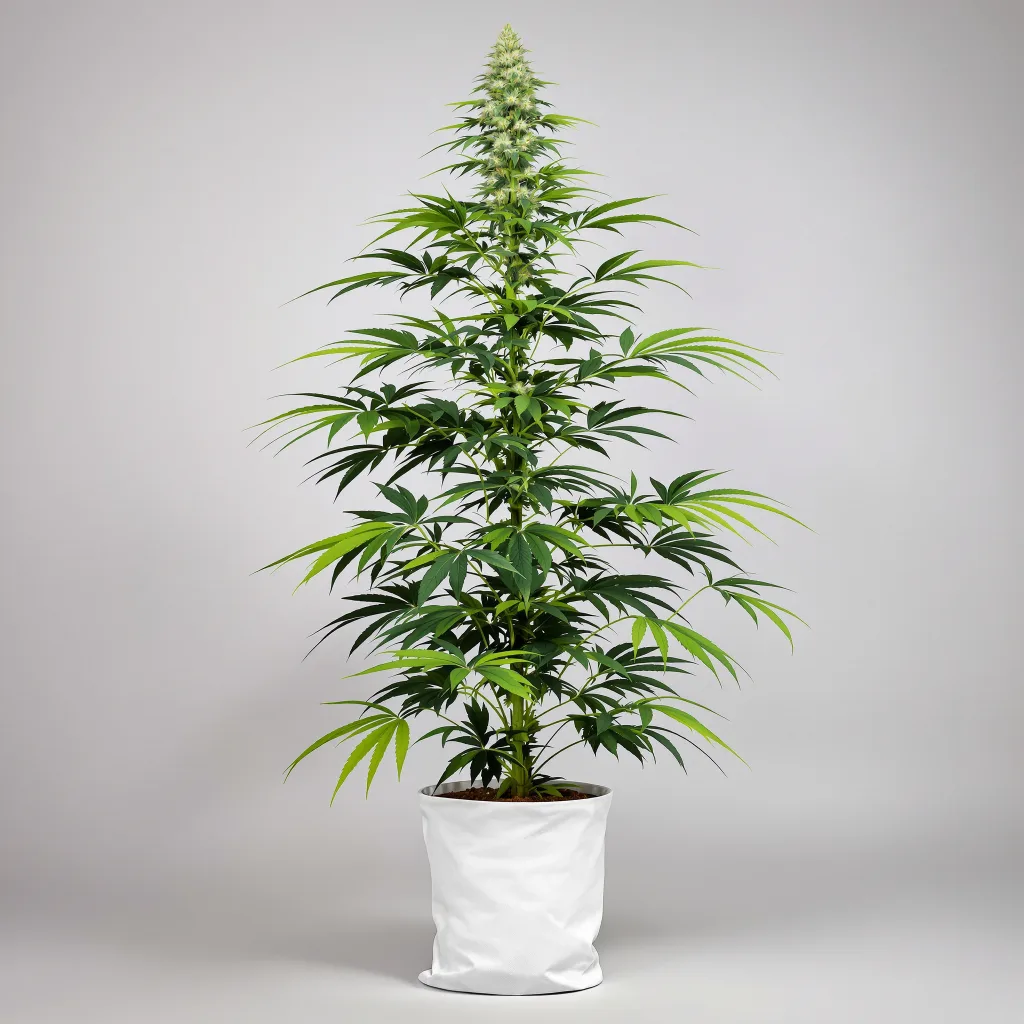
If you are growing outdoors anywhere in South Africa and you want a plant that was shaped by this country's weather rather than imported into it, Durban Poison is the safest first choice on the list. It is a sativa-leaning landrace out of KwaZulu-Natal with an open, airy flower structure, and it finishes earlier than almost anything else of its type — which matters enormously on the Highveld, where frost sets the deadline, and on the KwaZulu-Natal coast, where humidity does.
Where it is the wrong call is indoors in a short tent, or anywhere you were hoping for fat, rock-dense colas. Durban Poison does not make those, and no amount of feeding will persuade it to.
What follows applies to outdoor and greenhouse growing in the nine provinces, with the timings split by climate zone rather than by province, because the two disagree more often than people expect. Indoor notes are flagged separately.
Where Durban Poison comes from and why the structure looks like that
Durban Poison is a landrace — a population that stabilised in one place over generations of local selection rather than being bred in a grow room. Its home is the warm, humid subtropical belt around Durban and the KwaZulu-Natal coast, which has summer rainfall, long frost-free seasons and overnight humidity that sits high for weeks at a stretch.
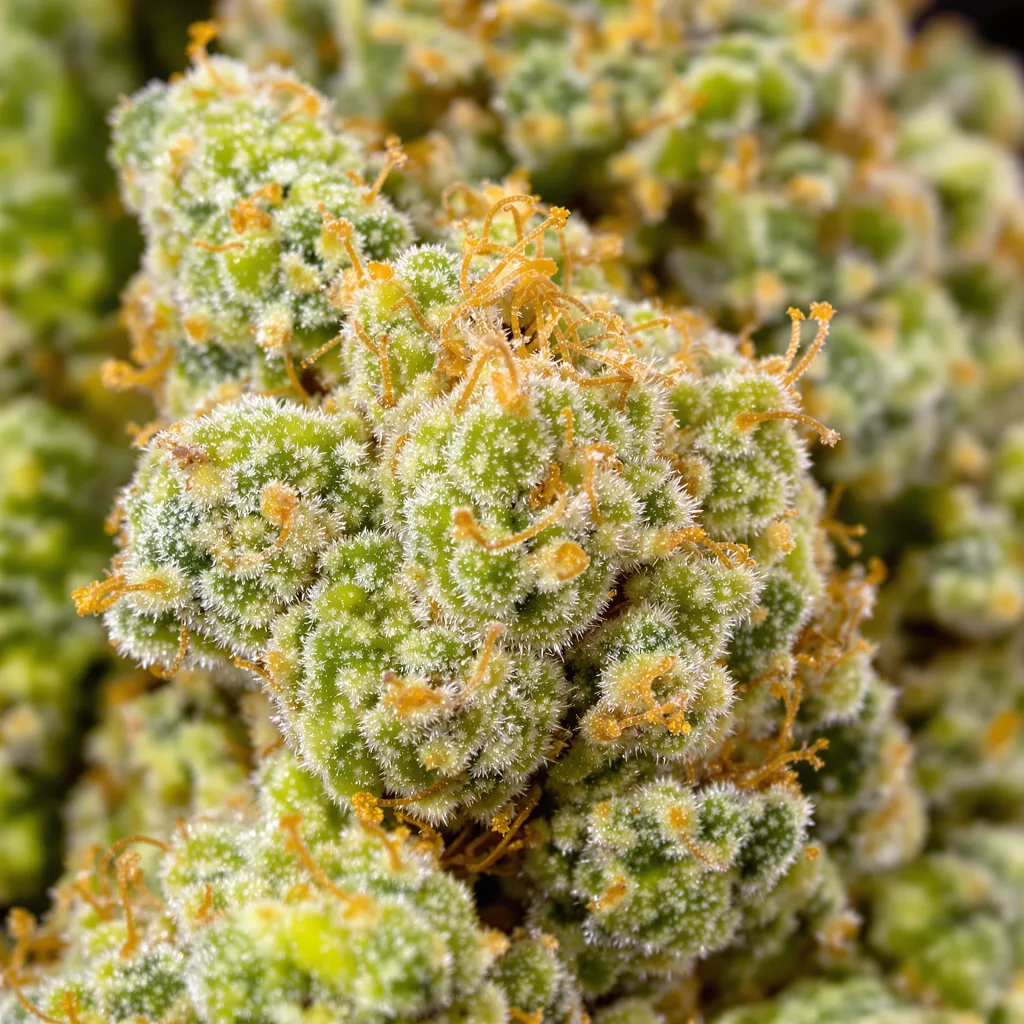
That environment does the selecting. Anything that packed its flowers tightly rotted from the inside before it could set seed, so what survived to be grown again was open-structured, with spaced-out bud sites, slim calyxes and plenty of air moving through the plant. The sativa-leaning shape people describe as a "stretchy" or "loose" bud is not a flaw in Durban Poison — it is the adaptation that let the plant exist at all in that climate.
The second thing that region selected for was speed. Durban Poison flowers noticeably faster than most equatorial sativas, typically finishing in the region of eight to nine weeks of flower rather than the twelve to sixteen a pure Haze can demand. Exact timing varies with your latitude, your phenotype and how much stress the plant took, but the practical point holds: it is an early finisher by sativa standards, and that single trait is what makes it viable in provinces it never grew in naturally.
What the plant does through a South African season
Plant out from September to November depending on your zone, and Durban Poison spends October and November stretching. Expect real height — outdoors in good ground, two to three metres is ordinary and taller happens, with long internodes (the gaps between branch pairs) and a tendency to run one dominant main stem unless you intervene.
That vertical habit is the first decision point of the season. If you have a wall, a neighbour or a wind problem, top the plant in the vegetative stage or run low-stress training — bending and tying branches down rather than cutting — through October so the canopy spreads sideways instead of upward. Do it before flowering starts; a sativa that has begun to stretch does not appreciate being bent afterwards.
Flowering triggers as daylight shortens through late January and February in most of the country. From there, the plant fills out slowly and does not produce the dense weight-per-cola that an indica does. Yields outdoors vary hugely with root run, sunlight hours and whether the plant was topped, so treat any single gram figure you see online with suspicion — a two-metre Durban Poison in open ground in Limpopo and a container-grown one on a Johannesburg balcony are not the same plant in any meaningful sense.
Zone by zone: where it finishes comfortably and where you must watch the calendar
South Africa does not have one planting calendar, and Durban Poison behaves differently across the country for reasons that have nothing to do with the genetics.
| Zone | Plant out | Harvest | The constraint that matters |
|---|---|---|---|
| KwaZulu-Natal and the subtropical coast | September to November | April to May | Botrytis (bud rot) through the humid summer; the open structure is the whole reason this strain suits the zone |
| Highveld (Gauteng, Free State, North West) | October, after the last frost | Late March to April | The frost window, not the strain — Durban Poison's early finish usually clears it with room to spare |
| Lowveld (Limpopo, Mpumalanga) | September to November | April to May | Midsummer heat stress and humidity in the flowering weeks; shade cloth and airflow beat extra feed |
| Western Cape | September to October, once the winter rain eases | March to April | Sustained south-easter wind, not rain — flowering happens in the dry half of the year here |
| Eastern Cape and Garden Route | September to October | March to April | Rain in every month on the coast; a simple cover over the plant removes most of the risk |
| Northern Cape and Karoo | September to October | March to April | Water and heat. Mould pressure is negligible; nothing finishes without irrigation |
Two of those rows deserve expanding, because they are where growers most often import wrong advice.
Summer rainfall versus winter rainfall changes the whole risk profile
Over most of the country — KwaZulu-Natal, the Highveld, the Lowveld, most of the Eastern Cape — rain falls from roughly October to March. That means the wet months land directly on the flowering weeks, and mould is the single biggest reason a South African outdoor crop is lost. This is exactly the problem Durban Poison was shaped by, and it is the reason growers in Durban, Nelspruit and Pretoria keep coming back to it over denser imported cultivars.
The Western Cape is the exception. Rain there falls from May to August, so a plant flowering in February and March is flowering dry. Botrytis is a minor concern in Stellenbosch or Paarl compared with Ballito. What the Cape does instead is wind — the south-easter runs hard from November through February, and a three-metre Durban Poison with long, springy branches is a sail. Stake it early, keep it shorter through training, and accept that structural support matters more there than mould resistance does.
On the Garden Route and southern coast there is no pronounced dry season at all, so rain can arrive in any flowering week. The open flower structure helps, but a greenhouse or even a temporary cover pitched over the plant for the last month is what actually settles the question. Growers weighing up that coast should look at the whole shortlist of strains suited to outdoor growing rather than assuming one cultivar solves a year-round rainfall problem on its own.
Feeding, altitude and the mistakes that cost the season
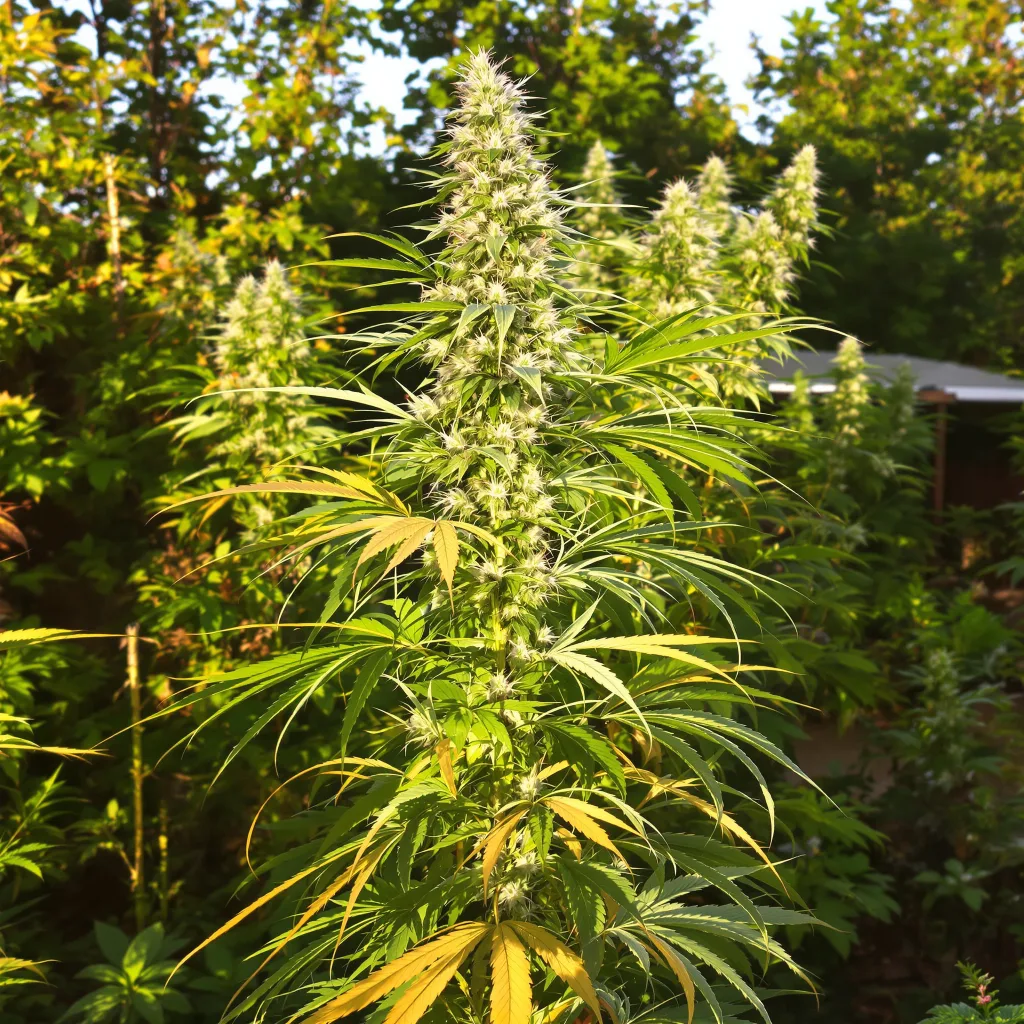
Durban Poison is not a heavy feeder, and the most common way growers damage it is by treating it like a modern high-demand hybrid. Sativa-leaning landraces generally show nitrogen burn — clawed, dark, glossy leaves with burnt tips — at feed levels an indica would shrug off. Start low, watch the leaf colour, and increase only if the plant asks.
On the Highveld, elevation between roughly 1 200 and 1 800 metres brings intense ultraviolet light and large day-night temperature swings. Durban Poison handles the light well, and the cold nights of late March often pull colour into the plant, though how much colour depends on the individual phenotype rather than the altitude alone.
The real Highveld risks are the ones the strain cannot help with: hail during the November-to-March thunderstorm season, which shreds an unprotected canopy in minutes, and the first frost, which is why you want the plant coming down by late March or April rather than gambling on May.
The other frequent mistake is harvesting on a calendar instead of on the plant. Because Durban Poison flowers loosely, growers looking for a solid, swollen cola keep waiting for something that is never going to arrive, and push harvest into wetter or colder weeks for no gain. Judge by trichome colour and by the pistils receding, not by density.
Who should grow Durban Poison, and who should not
It is a good fit if you are growing outdoors in a summer-rainfall province and mould has cost you a crop before; if you are on the Highveld and need something that clears the autumn frost without drama; if you have vertical space and no reason to hide the plant; or if you are new to outdoor growing and want genetics that were selected by this country's weather rather than adapted to it afterwards. The feminised Durban Poison removes the job of sexing and culling males, which for a first outdoor season is one less thing to get wrong.
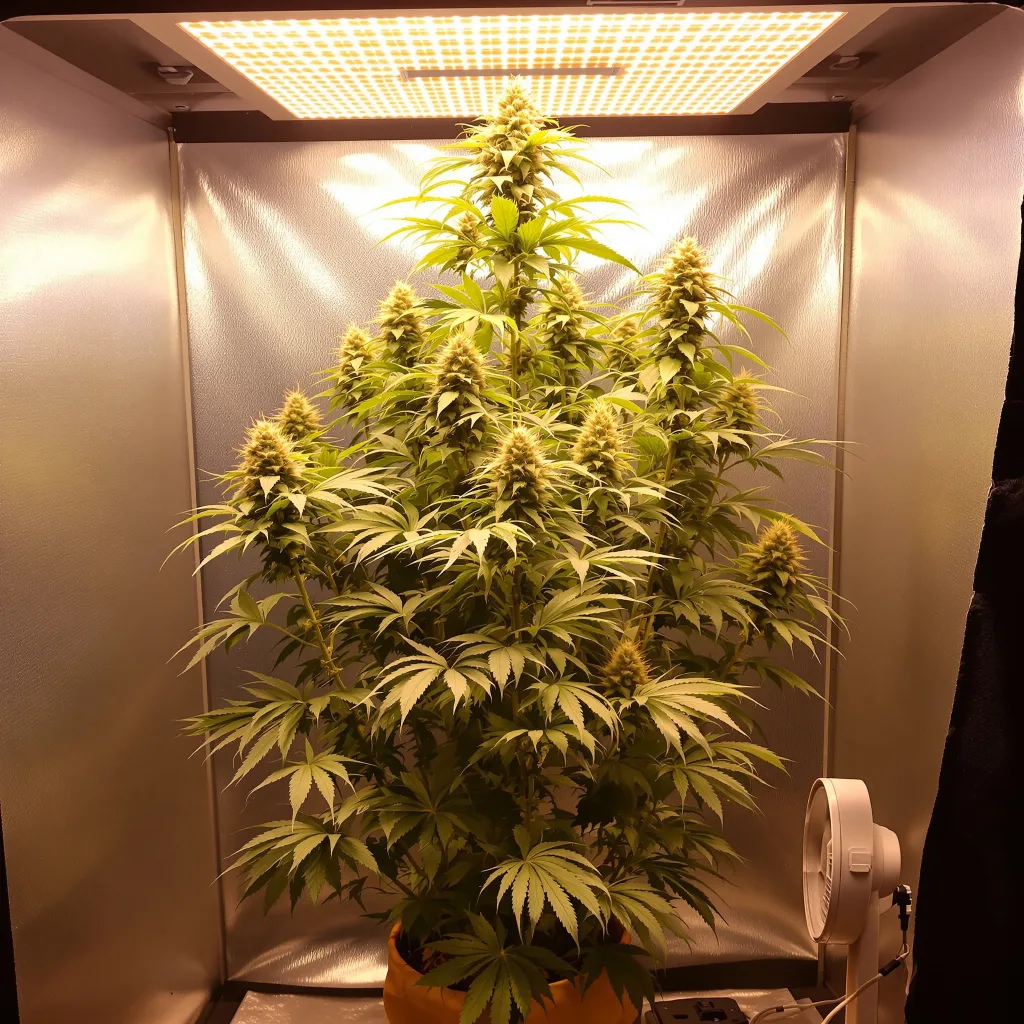
It is the wrong choice in several specific situations. If you are growing in a 1,2 metre tent, the stretch will cost you more than the strain gains you, and a compact indica-dominant plant is the sensible answer — the indoor-suited range exists for that reason. If you are chasing maximum weight per plant, Durban Poison's airy structure works against you, and you should be looking at high-yield genetics instead. If discretion is the constraint — a small suburban yard, sightlines from neighbours — a three-metre sativa is a problem, and Durban Poison Auto keeps the character in a much shorter plant that runs on its own clock rather than on daylength, which also lets you plant outside the usual September-to-November window. And if you want a low-THC plant, this is not it; that is the job of CBD-dominant cultivars.
Where the law stands
On 18 September 2018 the Constitutional Court, in Minister of Justice and Constitutional Development v Prince, decriminalised the use, possession and cultivation of cannabis by an adult in private. The Cannabis for Private Purposes Act 7 of 2024 was signed into law on 28 May 2024 to give legislative effect to that judgment; different sections commence on dates fixed by the President, so not every provision is necessarily in force at the time you read this.
Both the judgment and the Act concern private adult use and cultivation. Commercial dealing in cannabis remains an offence, and the judgment did not legalise trade. Nothing in either permits use by a person under 18, or use in public. This is general information and not legal advice — read the Act itself and speak to a qualified professional about your own position.
Common questions
When should I plant Durban Poison outdoors in South Africa?
Plant out between September and November, with the exact month set by your zone. On the Highveld — Gauteng, the Free State and North West — wait for October and the last frost. In the Western Cape and the Eastern Cape, September to October once the winter rain has eased. In KwaZulu-Natal and the Lowveld, anywhere from September to November. Harvest follows from March to May. Ignore planting calendars written for the Northern Hemisphere; their months are six out of step with ours.
Does Durban Poison resist bud rot?
Durban Poison has an open, airy flower structure with spaced bud sites, which lets air move through the plant and gives botrytis less of the still, damp pocket it needs. That makes it a better bet than a dense indica in the humid summer-rainfall provinces, particularly on the KwaZulu-Natal coast. It is not immune. In a wet flowering season you still want the plant off the ground, pruned open at the base, and ideally under a cover for the final weeks.
How tall does Durban Poison get outdoors here?
In open ground with a full season, two to three metres is common and taller is possible, because the plant stretches hard through October and November before flowering. Container size, topping and low-stress training all pull that figure down substantially. If height is a problem where you live, train the plant sideways during the vegetative stage or grow the autoflowering version, which stays far shorter.
Is Durban Poison a good strain for a first-time grower?
Outdoors in a summer-rainfall province, yes — it tolerates humidity better than most, finishes early enough to clear autumn frost on the Highveld, and does not demand heavy feeding. The two things a beginner must plan for are the height and the restraint on nutrients; overfeeding a landrace sativa is the most common early mistake. Indoors in a short tent it is a harder plant to manage than a compact hybrid.
How long does Durban Poison take to flower?
Roughly eight to nine weeks of flowering, which is early for a sativa-leaning plant and much faster than a long-flowering Haze. Actual timing shifts with phenotype, latitude and how much stress the plant took during the season, so judge ripeness by trichome colour and receding pistils rather than by counting days.
What to do next
If you are outdoors in a summer-rainfall province this season, get Durban Poison in the ground between September and November for your zone, plan for a plant that reaches two to three metres, and feed it lighter than instinct suggests. That recommendation changes if your constraint is height or visibility rather than mould — in a small yard or a short tent, the autoflowering version or a compact hybrid is the better plant, and the strain finder will narrow it by province and by the space you actually have.
Related Articles
Ready to Start Growing?
Browse 1,677 cannabis seed varieties with discreet shipping to addresses in all nine provinces and our sourced grow figures.
Shop Cannabis Seeds